
free consultation
free consultation
Posted March 2, 2026 - by MSW Law Group
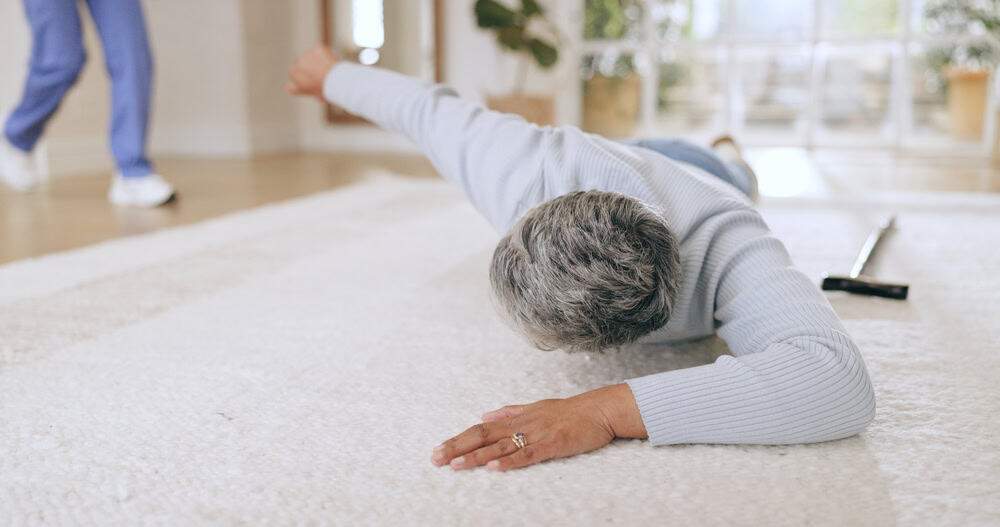
Families often ask are nursing homes liable for falls in Pittsburgh when injuries occur inside long-term care facilities. At Murray, Stone & Wilson, PLLC | Nursing Home Abuse Attorneys, we focus on holding facilities accountable when preventable harm arises. A fall may appear isolated at first glance, yet many incidents link back to larger patterns involving neglect, unsafe conditions, or lack of supervision. A nursing home abuse lawyer reviews whether staff conduct or facility failures played a role in the injury and whether legal responsibility applies under Pennsylvania law.
Falls rarely happen without warning indicators. Many residents rely on staff for mobility support, supervision, and routine daily care. When those needs are not met, the likelihood of injury increases quickly.
In Pittsburgh nursing homes, frequent causes include understaffing, where caregivers lack the ability to monitor residents who need assistance. Limited training also contributes, especially when staff overlooks fall risks connected to medications, cognitive decline, or physical limitations. Environmental hazards also play a part. Wet flooring, uneven walkways, damaged equipment, and missing handrails create unsafe conditions for residents with mobility challenges.
Certain medical conditions raise fall risk, yet proper care planning helps reduce those dangers. Facilities should evaluate each resident’s needs and adjust supervision based on those findings. When care plans remain outdated or ignored, residents face preventable harm. Repeated falls often suggest system-wide problems rather than isolated errors.
Liability for a fall depends on whether the nursing home failed to meet accepted standards of care. Federal and state regulations require facilities to maintain safe environments and prevent avoidable accidents. Nursing homes must follow safety protocols designed to protect residents from foreseeable harm. According to 42 U.S. Code § 1395i–3, facilities participating in Medicare or Medicaid must comply with safety requirements and care standards aimed at preventing avoidable injuries.
A nursing home may face legal responsibility when a fall results from negligence. Situations often involve lack of supervision, delayed response to call lights, or failure to assist residents during transfers. Unsafe facility conditions, including poor maintenance or inadequate lighting, can also support a claim.
Elder mistreatment extends beyond physical injury. According to the National Library of Medicine, elder abuse may involve neglect, abandonment, or failure to provide proper care, all of which can occur within nursing homes and contribute to serious harm, including falls. When a facility allows those conditions to persist, liability becomes a serious concern.
Many families searching are nursing homes liable for falls learn that responsibility often ties directly to preventability. When a fall could have been avoided through proper care, supervision, or maintenance, legal accountability may follow.
A fall inside a nursing home often signals more than a single incident. Early decisions can shape both a resident’s recovery and any future legal claim. Focus first on understanding how the fall occurred and whether proper care protocols were followed.
Start by requesting a detailed incident report. Facilities must document when the fall happened, where it occurred, and how staff responded. Compare this report with medical records to identify inconsistencies or delays in treatment.
Pay close attention to patterns. One fall may raise concern, but repeated falls often point toward deeper care failures. Review whether the resident had a fall-risk assessment and whether staff followed the care plan designed to reduce those risks.
Communication with facility administrators should remain direct and documented. Written communication creates a record of concerns and responses. When explanations seem inconsistent or incomplete, further investigation may become necessary.
Families in Pittsburgh can take several practical steps after a fall:
These steps help build a clearer picture of what led to the fall and whether negligence played a role.
Concerns surrounding are nursing homes liable for falls often arise when injuries reveal deeper care failures. At Murray, Stone & Wilson, PLLC | Nursing Home Abuse Attorneys, we examine facility records, staffing practices, and safety conditions to determine whether negligence contributed to a resident’s fall.
Call us at (412) 516-6000 to discuss concerns about a fall in a Pittsburgh nursing home and learn how legal action may address unsafe conditions and protect your loved one moving forward. Schedule a Free Consultation here.

This page has been written, edited, and reviewed by a team of legal writers following our comprehensive editorial guidelines. This page was approved by our team of attorneys, who have more than 50 years of combined legal experience in helping victims of nursing home abuse.
Key Takeaways Negligence arises when care lapses lead to harm and fall below accepted standards. A claim requires proof of duty, breach, causation, and...
Key Takeaways Physical abuse in nursing homes involves intentional force by staff, visitors, or other residents that causes injury or pain. Warning signs include...
Key Takeaways Most nursing home falls happen during day and evening shifts, peaking between 4:00 PM and 8:00 PM. Nearly two-thirds of falls happen...
Need legal advice? Our experienced attorneys are here to help. Reach out today for a confidential consultation tailored to your needs.

100 Front Street Suite 1230
West Conshohocken, PA 19428
Phone: 215-515-0741
Fax: (610) 467-2881
 Message Us
  Call Us