
free consultation
free consultation
Posted April 20, 2023 - by MSW Law Group
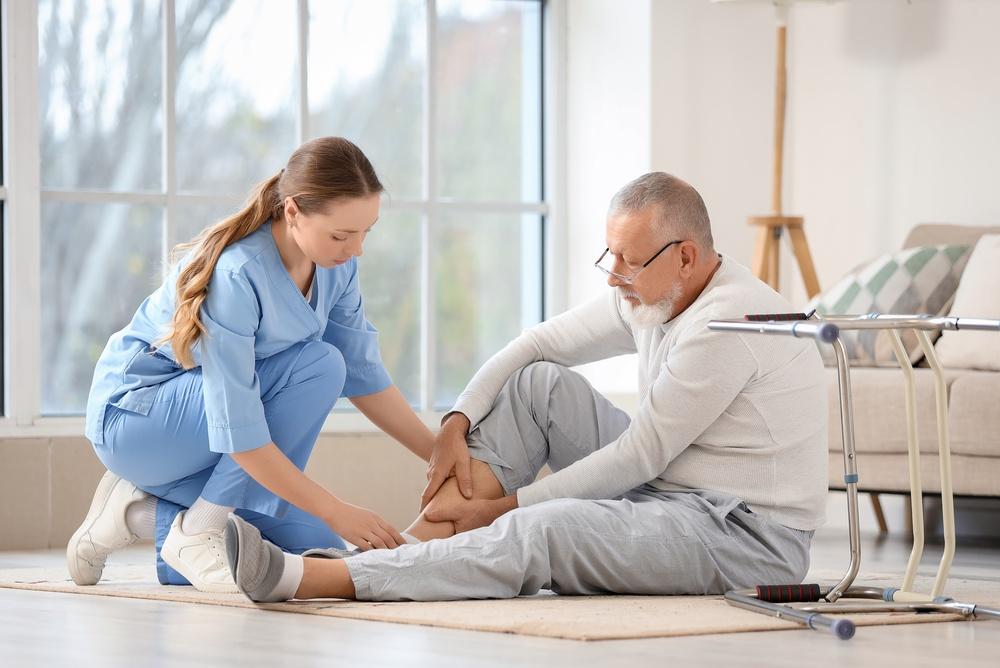
With a rapidly aging population, nursing homes and assisted living facilities are becoming more common, and so are the risks associated with providing care to older people. One of the most significant risks for nursing home residents is the possibility of fall injuries, which can have severe consequences for the physical and emotional well-being of senior citizens.
Because of the frequency of falls for nursing home residents and senior citizens in general, nursing homes must prioritize fall prevention and fall risk reduction in everything they do. If they do not, they could be found negligent in a personal injury or nursing home abuse lawsuit from the victim of a fall that occurred at the facility.
According to the Centers for Disease Control and Prevention (CDC), one out of every four adults aged 65 and older falls each year. Falls are the leading cause of both fatal and nonfatal injuries among older adults.
The statistics are even more alarming in nursing homes, with an average of 50 to 75 percent falls per resident per year. Furthermore, the Nursing Home Abuse Center reports that 10 to 20 percent of nursing home falls result in serious injuries, and 1,800 residents die yearly from fall-related injuries.
Various risk factors contribute to the likelihood of falls in nursing homes. Some of these factors are intrinsic to the individual, such as age, history of falls, and certain medical conditions (e.g., Parkinson’s disease, dementia, or vision problems).
Other factors are extrinsic and related to the environment or nursing home practices, such as inadequate lighting, slippery floors, incorrect bed heights, and lack of proper assistive devices.
Falls can have severe consequences for seniors, who are already more susceptible to injuries due to age-related factors such as weakened bones, decreased muscle strength, and slower reflexes. Injuries resulting from falls can range from minor bruises and cuts to more severe issues such as fractures, head trauma, and even death.
Beyond the physical damage, falls can also have significant emotional and psychological impacts on seniors, leading to a fear of falling again and a subsequent decrease in mobility and independence.
Given the prevalence and potential consequences of fall injuries in nursing homes, these facilities must prioritize fall prevention and risk reduction efforts. Some essential steps that nursing homes must take to minimize fall risks include:
Nursing homes should conduct thorough assessments of each resident to identify their specific risk factors for falls. This information can then be used to develop individualized care plans that address these risks.
All nursing home staff should receive regular training on fall prevention strategies and the proper use of assistive devices, such as walkers, canes, and grab bars. Staff should also be educated on recognizing and responding to potential fall hazards in the facility.
Nursing homes should ensure that their facilities are designed and maintained to minimize fall risks. This may include installing handrails and grab bars, providing adequate lighting, using nonslip flooring, and removing clutter and other trip hazards.
Nursing homes must carefully manage residents’ medications to minimize side effects that may increase fall risks, such as dizziness, drowsiness, or confusion. This includes regularly reviewing and adjusting medication regimens as needed.
Nursing home personnel should continually monitor residents for changes in their physical or cognitive abilities that may increase their risk of falls. Regular reassessments help identify new risk factors and allow for adjustments to care plans as needed.
If a nursing home fails to take appropriate measures to prevent and reduce the risk of falls, family members of the victim can consult a personal injury attorney and file a case against them. These lawsuits can result in significant financial penalties for the nursing home, as well as damage to their reputation and standing in the community.
In order to prove negligence in a nursing home fall injury case, the injured resident or their family must show that the nursing home had a duty of care to the resident and that they breached that duty by failing to take reasonable steps to prevent the fall, and that this breach directly resulted in the resident’s injury.
Nursing homes have a critical responsibility to protect their residents from the risk of fall injuries. By prioritizing fall prevention and risk reduction strategies, they can help ensure their residents’ safety and well-being while minimizing their own legal liability.
At the end of the day, a proactive approach to fall prevention is not only the right thing to do, but it is also the best way to protect the interests of both nursing home residents and the facilities that care for them. In the event of an accident, immediately seek the assistance of a personal injury lawyer to fight the case with you.
If you or a loved one has been injured due to the negligence of others, it’s time to take action. Murray, Stone & Wilson is here to help you obtain the justice you deserve.
With over three decades of experience, our founding partners have recovered more than $300,000,000 for our clients. Whether it’s nursing home abuse, medical malpractice, trucking accidents, or corporate fraud, we have the expertise to fight for your rights. Contact us today and let our personal injury lawyers in Philadelphia help you get the justice you deserve.

This page has been written, edited, and reviewed by a team of legal writers following our comprehensive editorial guidelines. This page was approved by our team of attorneys, who have more than 50 years of combined legal experience in helping victims of nursing home abuse.

When families place a loved one in a nursing home, they trust the facility to protect far more than physical health. Financial abuse in...

Finding Trustworthy Care Through Federal Ratings When your loved one needs nursing home care, choosing the right facility can feel overwhelming. For many families,...

Finding Safe, Quality Nursing Home Care for Your Loved One When your elderly parent can no longer live independently, finding a quality nursing home...
Need legal advice? Our experienced attorneys are here to help. Reach out today for a confidential consultation tailored to your needs.

100 Front Street Suite 1230
West Conshohocken, PA 19428
Phone: 215-515-0741
Fax: (610) 467-2881
 Message Us
  Call Us