
free consultation
free consultation
Posted March 13, 2026 - by MSW Law Group
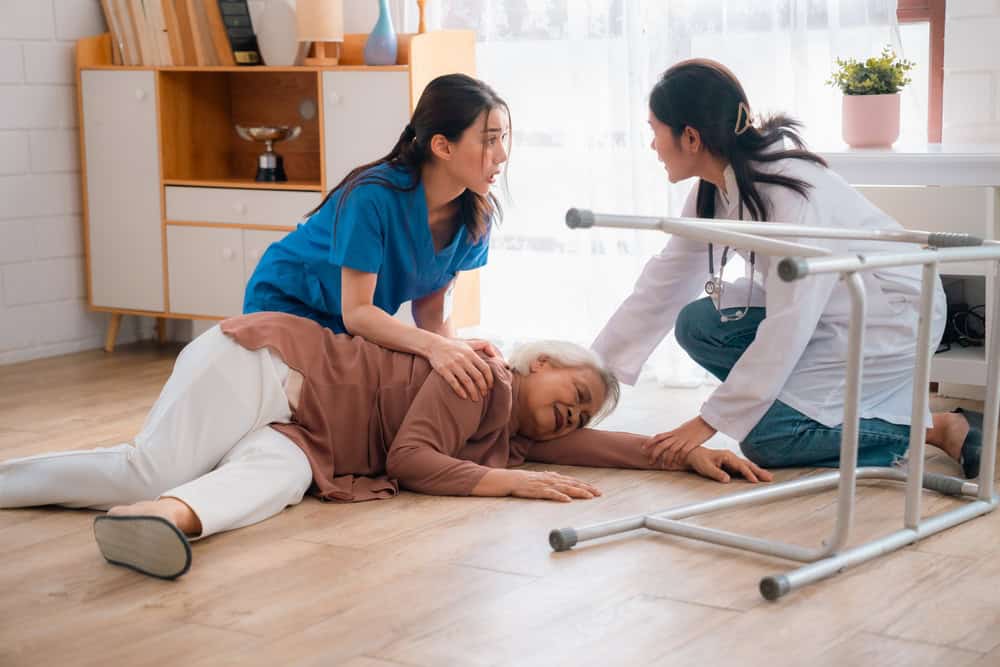
Families throughout Pittsburgh expect long-term care providers to maintain safe conditions and reduce avoidable risks for residents. Many ask what is the federal regulation on nursing home falls when incidents raise concerns about supervision, safety measures, or care practices. At Murray, Stone & Wilson, PLLC | Nursing Home Abuse Attorneys, we examine whether a facility followed required standards and how those failures relate to potential claims a nursing home abuse lawyer may pursue. Federal regulations establish baseline protections, yet accountability often depends on how those rules operate in daily care.
While federal regulations set safety standards, many families still wonder are nursing homes liable for falls in Pennsylvania? This becomes especially important when those standards are not followed.
Falls inside nursing homes present serious risks because injuries often accelerate health decline in vulnerable residents. Older adults face increased chances of fractures, head trauma, and complications that prolong recovery or reduce independence. A single fall can lead to hospitalization, reduced mobility, or lasting deterioration.
These events rarely occur in isolation. Repeated falls, delayed responses, or unclear explanations frequently point to broader safety concerns within a facility. When patterns appear, families often question whether proper monitoring and timely care adjustments occurred.
In addition to physical injury, falls affect emotional health. Fear of another incident can lead to withdrawal, reduced activity, and further decline. For many families, a fall reflects larger concerns involving supervision, safety practices, and overall care quality.
Federal law establishes expectations for nursing homes participating in Medicare and Medicaid. Under 42 CFR Part 483, facilities must maintain environments free from hazards and work to reduce accident risks.
Facilities must assess fall risk when a resident enters care and continue reassessments over time. Considerations include medication use, medical history, and cognitive condition, all of which influence risk levels.
When staff identify a resident as higher risk, an individualized care plan must follow without delay. Plans typically include supervision levels, mobility assistance, and environmental changes. Caregivers must use proper transfer techniques, recognize warning signs, and respond when conditions shift.
Care plans should also account for the times when residents are most vulnerable to accidents. Knowing when most falls occur in nursing homes can help families evaluate whether a facility provided appropriate supervision during high-risk periods.
Safe surroundings remain part of these requirements. Adequate lighting, stable flooring, and accessible support devices reduce hazards throughout the facility. Facilities must also document serious fall injuries and report qualifying incidents. Failure to meet these standards may result in citations, penalties, or loss of certification.
Not every fall results from negligence, but certain patterns raise serious concerns. A fall may signal nursing home abuse or neglect when staff fail to provide basic care or supervision, and understanding a resident’s legal rights is key when those failures appear. Repeated incidents, delayed medical attention, or inconsistent documentation often point toward systemic problems.
Neglect includes failing to meet a resident’s daily needs, such as assistance with mobility, hygiene, nutrition, or medication. According to the Pennsylvania Office of Victim Advocate, neglect can involve failing to provide essential care such as food, water, or help with daily activities. Within a nursing home setting, these failures can increase fall risk and worsen outcomes after an injury.
Staffing shortages also play a role in many fall-related cases. When facilities operate with insufficient personnel, residents may wait longer for assistance or attempt movement without help. Communication breakdowns can further increase risk, especially when care plans are not followed consistently.
Falls may also result from improper use of equipment or lack of supervision during transfers. Mechanical lifts, wheelchairs, and bed rails require proper handling. When caregivers fail to follow protocols, preventable injuries can occur.
Families who notice a fall-related injury should begin by collecting information. Medical records, incident reports, and photographs can help establish a sequence of events and identify patterns. Changes in physical condition or behavior may also indicate declining care.
Communication with facility staff may clarify events, though vague or inconsistent explanations often raise additional concerns. Direct questions about supervision, care plans, and staffing levels can help uncover gaps in care.
Reporting concerns to Pennsylvania authorities may trigger an investigation into unsafe conditions or neglect. These reviews can reveal whether a facility shows a history of violations or repeated incidents involving other residents.
A legal review may become necessary when injuries lead to serious harm. Determining whether a facility followed federal standards and internal policies can help establish whether negligence contributed to the fall.
A fall inside a nursing home can reveal more than a momentary lapse in attention. Patterns involving unsafe care, lack of supervision, or failure to follow federal standards frequently emerge during a detailed review. At Murray, Stone & Wilson, PLLC | Nursing Home Abuse Attorneys, we work with families across Pittsburgh to evaluate fall-related injuries and pursue accountability when preventable harm occurs. Call us at (412) 516-6000 to discuss concerns and explore available legal options. Schedule a Free Consultation here.

This page has been written, edited, and reviewed by a team of legal writers following our comprehensive editorial guidelines. This page was approved by our team of attorneys, who have more than 50 years of combined legal experience in helping victims of nursing home abuse.

Key Takeaways Most nursing home falls happen during day and evening shifts, peaking between 4:00 PM and 8:00 PM. Nearly two-thirds of falls happen...

Key Takeaways Neglect includes bed sores, severe weight loss, untreated infections, and repeated falls without staff correction. Pennsylvania’s statute of limitations restricts how long...

Murray Stone Wilson | Nursing Home Abuse Attorneys works with Philadelphia families who notice a parent or grandparent growing withdrawn, anxious, or fearful around...
Need legal advice? Our experienced attorneys are here to help. Reach out today for a confidential consultation tailored to your needs.

100 Front Street Suite 1230
West Conshohocken, PA 19428
Phone: 215-515-0741
Fax: (610) 467-2881
 Message Us
  Call Us