
When Security Footage Could Make or Break Your Loved One’s Case
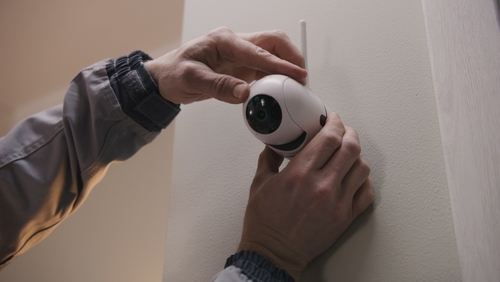
Discovering signs of abuse on your elderly parent during a nursing home visit can shatter your world in an instant. Those unexplained bruises, the sudden weight loss, or your once-cheerful mother now withdrawing from conversation – these changes demand immediate action. In Pennsylvania, photographs and videos of injuries or unsafe conditions serve as valuable forms of evidence in nursing home abuse cases, making security camera footage potentially crucial to protecting your loved one’s rights. Yet many families wonder whether facilities must preserve this critical evidence once abuse is reported.
💡 Pro Tip: Document everything immediately – take photos of injuries, note the date and time, and request copies of any incident reports before leaving the facility.
Protecting your loved ones should be as easy as pie. If you suspect nursing home abuse in Pennsylvania, don’t wait to act. Reach out to MSW Law Group to ensure critical evidence is preserved promptly. Contact us at 215-947-5300 or simply contact us online to get started today.
Pennsylvania’s Evidence Preservation Requirements for Nursing Home Abuse Cases
When you suspect abuse at a Pennsylvania nursing facility, understanding evidence preservation becomes essential to building a strong case. While photographs or videos of injuries or unsafe conditions can be valuable forms of evidence, many families don’t realize that prompt reporting to agencies such as Adult Protective Services or a local Long-Term Care Ombudsman can lead to official investigations that may uncover further evidence of abuse. Working with a nursing home abuse lawyer in Philadelphia helps ensure proper evidence collection and preservation from the very start of your case.
Pennsylvania law creates specific reporting obligations for nursing home staff and administrators. Employees or administrators of facilities who have reasonable cause to suspect abuse, sexual abuse, serious physical injury, or serious bodily injury must report this to the local area agency on aging. For cases involving sexual abuse, serious bodily injury, serious physical injury, or suspicious death, facilities must also contact local law enforcement within 48 hours and make a written report. These mandatory reporting requirements trigger preservation duties that experienced attorneys understand how to enforce.
💡 Pro Tip: Request in writing that the facility preserve all security footage, incident reports, and medical records immediately upon discovering potential abuse – this creates a paper trail of your preservation request.
The Critical Timeline for Preserving Nursing Home Evidence
Time works against families seeking justice for nursing home abuse, as crucial evidence can disappear within days or weeks. Understanding the preservation timeline helps protect your loved one’s rights and strengthens your potential case. A nursing home abuse lawyer in Philadelphia can help navigate these time-sensitive requirements while ensuring all evidence remains intact for investigation.
- Most facilities automatically overwrite security footage every 30-90 days unless specifically instructed to preserve it
- State law requires certain mandated reporters to alert agencies immediately upon discovering abuse
- Facilities must report sexual abuse, serious injuries, or suspicious deaths to local law enforcement within 48 hours
- Local area agencies on aging must report deaths, serious physical injury, and serious bodily injury to the PA Department of Aging within 24 hours for suspicious deaths
- Nursing homes in Pennsylvania face annual inspections by the Department of Health, with surveys that are unannounced and can happen during day or night
💡 Pro Tip: Send preservation requests via certified mail and email simultaneously to create multiple records of your demand – this prevents facilities from claiming they never received your request.
How a Nursing Home Abuse Lawyer in Philadelphia Protects Critical Evidence
Taking swift legal action ensures that valuable security footage and other evidence remains available for your case. A civil lawsuit based on nursing home abuse typically targets the facility, individual staff members, or corporations that own or manage the nursing home, requiring immediate preservation of all relevant evidence. The team at MSW Law Group understands the urgency of securing footage before automatic deletion occurs and can file emergency preservation demands to protect this crucial evidence. Their experience with Pennsylvania’s nursing home regulations means they know exactly which documents, videos, and records facilities must maintain.
To hold a nursing home liable for elder abuse, you must show the nursing home’s duty to the elderly person, a breach in this duty of care, actual and proximate causation, and actual damages suffered by the elderly person. Security camera footage often provides the clearest evidence of these elements, capturing neglectful behavior, physical abuse, or dangerous conditions that led to injury. Consulting a nursing home abuse lawyer in Philadelphia immediately after discovering potential abuse helps ensure this evidence remains available throughout your case.
💡 Pro Tip: Request a litigation hold letter from your attorney immediately – this formal legal document puts the facility on notice that they must preserve all evidence related to your loved one’s care.
Building Your Evidence Beyond Security Footage
While security camera footage provides powerful visual evidence, successful nursing home abuse cases rely on comprehensive documentation from multiple sources. Common signs of nursing home abuse include unexplained injuries like welts, fractures, or rope marks, bedsores, frequent arguments between caregivers and elderly persons, unusual weight loss or malnutrition, and significant bank withdrawals. Each of these warning signs requires different types of evidence to prove in court.
Documentation Strategies That Strengthen Your Case
Useful evidence in nursing home abuse cases includes diaries kept by the plaintiff or family members, photographs of injuries, notes summarizing conversations with the plaintiff and nursing home staff, photographs of medications, and notes on personal observations of physical or emotional conditions. Creating a detailed timeline of events, changes in your loved one’s condition, and interactions with staff members helps establish patterns of neglect or abuse. Your nursing home abuse lawsuit guide should emphasize documenting everything, as seemingly minor details often prove crucial during litigation.
💡 Pro Tip: Keep a dedicated notebook for all observations during visits – date each entry, note staff members present, and describe your loved one’s physical and emotional state in detail.
Understanding Facility Liability and Corporate Responsibility
Nursing home liability commonly stems from negligent care, negligent maintenance of premises, negligent selection of equipment, or negligent hiring and retention of employees. When security footage reveals abuse, it often exposes systemic failures beyond individual staff misconduct. Facilities owned by large corporations may have policies that inadvertently enable abuse through understaffing, inadequate training, or pressure to maximize profits over resident safety.
Who Can Be Held Accountable for Nursing Home Abuse
Perpetrators of nursing home abuse can include nursing home staff, other residents, family members, and third parties like contractors. Understanding nursing home abuse and negligence law helps families identify all potentially liable parties. When the abused resident is alive and legally competent, they will be the plaintiff in a lawsuit, while incompetent residents need a guardian or conservator to sue on their behalf. If the resident has died, the case will be filed by a surviving relative or the estate. Identifying the right defendants and plaintiffs early ensures proper evidence preservation demands reach all responsible parties.
💡 Pro Tip: Research the facility’s ownership structure and any recent citations – the Department of Health website provides survey reports and sanctions that reveal patterns of neglect.
Frequently Asked Questions
Evidence Preservation and Legal Rights
Families facing potential nursing home abuse often struggle with understanding their rights to access and preserve evidence. These questions address the most common concerns about securing proof of abuse and protecting your loved one’s legal interests.
💡 Pro Tip: Write down your questions before meeting with an attorney – organized preparation helps you cover all concerns during your consultation.
Taking Action and Next Steps
Understanding the legal process helps families make informed decisions about protecting their loved ones. From initial discovery of abuse through resolution, knowing what to expect empowers you to advocate effectively.
💡 Pro Tip: Don’t wait for "enough" evidence before consulting an attorney – early legal guidance often uncovers additional proof you didn’t know existed.
1. How long do Philadelphia nursing homes typically keep security camera footage before it’s automatically deleted?
Most nursing facilities automatically overwrite their security footage every 30 to 90 days, though this varies by facility. Once you report suspected abuse, immediately request in writing that all footage be preserved. A nursing home abuse lawyer in Philadelphia can file formal preservation demands that carry legal weight and help ensure this critical evidence remains available for your case.
2. Can nursing homes refuse to provide security footage to families investigating Pennsylvania nursing home abuse?
Facilities often claim privacy concerns or technical limitations when families request footage. However, once abuse is reported to proper authorities or legal action begins, preservation becomes mandatory. The nursing home abuse documentation Pennsylvania law requires includes any evidence relevant to abuse claims, and courts can compel production of security footage during litigation.
3. What happens if a nursing home destroys security footage after being notified about suspected abuse?
Destroying evidence after receiving preservation notice constitutes spoliation, which can result in serious legal consequences for the facility. Courts may instruct juries to assume the destroyed footage would have shown abuse, significantly strengthening your case. This is why sending formal preservation demands through legal counsel immediately upon discovering abuse is crucial.
4. Besides security footage, what other evidence should families preserve when suspecting elder abuse in Philadelphia?
Document everything including photographs of injuries, medical records, medication lists, financial statements showing unusual withdrawals, and written notes of conversations with staff. The Pennsylvania nursing home investigation process relies on comprehensive evidence, so maintain detailed records of visits, your loved one’s condition changes, and any concerning incidents or staff behavior.
5. Who should I contact first when I suspect nursing home abuse – the police, state agencies, or a Philadelphia elder abuse litigation attorney?
For immediate danger, contact local law enforcement first. Otherwise, report to Adult Protective Services at 1-800-490-8505 and consult with an attorney immediately to ensure evidence preservation. The Statewide Elder Abuse Helpline is available 24/7 for reporting suspected abuse. An experienced attorney can coordinate with agencies while protecting your loved one’s legal rights throughout the investigation.
Work with a Trusted Nursing Home Abuse Lawyer
When facing the heartbreak of nursing home abuse, families need compassionate legal guidance to navigate Pennsylvania’s complex regulatory landscape. Understanding your rights, preserving crucial evidence, and holding facilities accountable requires extensive experience with elder abuse cases. The Department of Health operates a complaint hotline at 1-800-254-5164 where you can speak directly with professionals about nursing home concerns, but legal representation ensures your loved one’s rights remain fully protected throughout any investigation. Taking action today prevents further harm and helps create safer conditions for all nursing home residents across the Delaware Valley.
When it comes to safeguarding your loved ones, time is of the essence. If you suspect abuse in a Philadelphia nursing home, don’t hesitate to take action. MSW Law Group is ready to step in and ensure that vital evidence is preserved swiftly. Call us at 215-947-5300 or contact us online today to discuss your concerns.