
free consultation
free consultation
Posted August 22, 2024 - by MSW Law Group
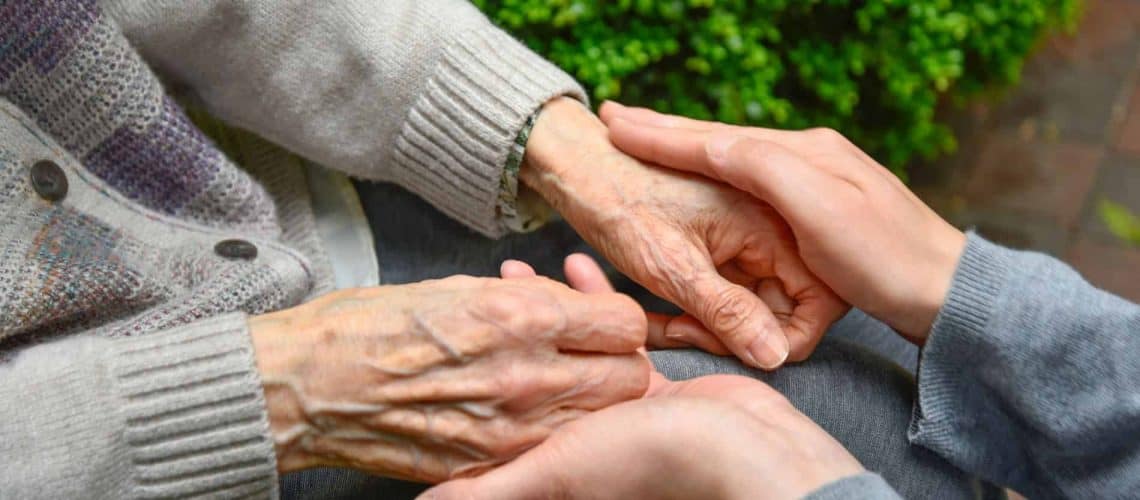
Nursing homes serve as essential facilities to provide quality care, medical support, and companionship to elderly individuals who may require assistance for their daily living activities or ongoing medical needs. Family members trust these establishments and their staff to treat their loved ones with the dignity, respect, and care they rightfully deserve. Unfortunately, nursing home abuse and neglect can occur, leading to significant physical, emotional, and mental harm to elderly residents.
In this article, we will delve into the critical aspects of identifying nursing home abuse and neglect, the warning signs to look for, the legal responsibilities and obligations of nursing homes and their staff, and steps you can take to ensure your loved one’s rights are protected. Additionally, we will discuss the crucial role of an experienced attorney in pursuing justice for victims of nursing home abuse and neglect.
Nursing home abuse and neglect can manifest in various forms, each causing harm to vulnerable elderly residents. Key types of abuse and neglect include:
1. Physical Abuse: This involves intentionally causing physical harm or pain to a nursing home resident through actions such as hitting, slapping, pushing, or using improper restraints.
2. Emotional Abuse: Psychological mistreatment can have long-lasting consequences on elderly residents. Emotional abuse may involve verbal attacks, threats, humiliation, or isolation from social activities.
3. Sexual Abuse: Any non-consensual sexual contact or behavior with a nursing home resident constitutes sexual abuse. The elderly may be more susceptible to this type of abuse due to physical frailty, cognitive impairment, or fear of retaliation.
4. Financial Abuse: Financial exploitation may involve unauthorized use of a resident’s personal finances or belongings, the forging of signatures, or deceptive practices to gain control over their assets.
5. Neglect: Neglect occurs when nursing home staff fail to provide the necessary care and services to ensure a resident’s physical, emotional, and medical needs are met. This can include inadequate nutrition, insufficient hygiene, medical inattention, and failure to provide a safe environment.
Families should remain vigilant in identifying potential signs of nursing home abuse and neglect in their loved ones. Key warning indicators can include:
1. Unexplained Injuries: Physical injuries such as bruises, cuts, burns, or fractures that do not align with documented records may signal abuse.
2. Cognitive or Emotional Changes: Uncommon shifts in mood, depressive episodes, withdrawal from social interactions, or sudden fear of specific caregivers may indicate emotional or psychological abuse.
3. Unsatisfactory Living Conditions: Poor sanitation, inadequate food, unsafe living environments, and lack of proper hygiene may signify neglect.
4. Financial Discrepancies: Unexplained withdrawals, missing possessions, or sudden changes in financial documents or legal arrangements may be indicative of financial abuse.
Nursing homes have a legal obligation to provide a reasonably safe and secure environment, ensuring their residents receive proper care and protection. These legal responsibilities include:
1. Staff Training: Nursing homes are required to train staff adequately in providing care, preventing abuse, and recognizing signs of maltreatment.
2. Background Checks: Facilities must conduct proper background checks on all employees to protect residents from individuals with a history of misconduct, violence, or abuse.
3. Resident Care Plans: Nursing homes should create and maintain personalized care plans for each resident, outlining their needs, preferences, and required medical treatments.
4. Reporting and Rectifying Abuse: Nursing homes are obliged to report all instances of alleged abuse or neglect and take necessary steps to rectify the situation and prevent further occurrences.
To preserve evidence and protect their legal rights after suffering an injury due to negligent security, victims should adhere to the following steps:
1. Seek Immediate Medical Care: Prioritize your health and well-being by obtaining medical attention as soon as possible. Prompt medical care not only ensures your injuries are taken care of but also establishes a record of the incident and its link to the negligent security.
2. Report the Incident: Notify the property owner or manager, alongside local law enforcement if necessary, of the incident, providing details of the criminal activity and the lack of security measures in place. Request copies of any incident reports generated during this process.
3. Document the Scene: Gather evidence that may support your claim, such as photographs or videos of the site where the incident occurred. Include details of the inadequate security measures, such as poorly lit areas, damaged locks, or a lack of surveillance cameras. Additionally, keep a journal detailing your injuries, medical treatments, and the impact of the incident on your daily life.
4. Consult with a Negligent Security Attorney: Seek the guidance of an experienced negligent security attorney who can assess your case, determine the potential for success, and help you navigate the complex legal process of pursuing a claim. They will also work to gather additional evidence, interview witnesses, and negotiate with insurance companies on your behalf.
Nursing home abuse and neglect are distressing issues that can adversely impact the lives of countless elderly residents and their families. Familiarizing oneself with the different types of abuse and neglect, recognizing potential warning signs, and understanding the legal responsibilities of nursing homes can go a long way in safeguarding the well-being of your loved ones.
In cases where abuse or neglect is suspected, a nursing home abuse attorney experienced in handling nursing home abuse cases can provide crucial support, guidance, and advocacy. If you are concerned about the treatment of your loved one in a nursing home, don’t hesitate to reach out to Murray, Stone & Wilson, where our compassionate legal team will fight to protect your family member’s rights and secure justice on their behalf.

This page has been written, edited, and reviewed by a team of legal writers following our comprehensive editorial guidelines. This page was approved by our team of attorneys, who have more than 50 years of combined legal experience in helping victims of nursing home abuse.

Finding Trustworthy Care Through Federal Ratings When your loved one needs nursing home care, choosing the right facility can feel overwhelming. For many families,...

Finding Safe, Quality Nursing Home Care for Your Loved One When your elderly parent can no longer live independently, finding a quality nursing home...

When Corporate Chains Hide Behind Local Nursing Homes Your mother’s unexplained bruises. Your father’s sudden weight loss. Medication errors despite your complaints. When nursing...
Need legal advice? Our experienced attorneys are here to help. Reach out today for a confidential consultation tailored to your needs.

100 Front Street Suite 1230
West Conshohocken, PA 19428
Phone: 215-515-0741
Fax: (610) 467-2881
 Message Us
  Call Us