
free consultation
free consultation
Posted July 7, 2023 - by MSW Law Group

Diabetes is a chronic disease affecting millions of Americans of all ages. It is particularly prevalent among the elderly, with almost a quarter of individuals aged 65 and over diagnosed with this condition.
As such, it’s unsurprising that diabetes care is critical to health management in nursing homes. In this article, we will examine essential things about diabetes care in these facilities and explore the best practices for managing the condition.
First, it’s crucial to understand that diabetes can pose unique challenges for seniors. The disease can exacerbate the effects of other health problems common in the elderly, such as heart disease, kidney disease, and vision impairment. Moreover, some seniors might have difficulty managing diabetes due to cognitive decline or physical limitations.
Therefore, diabetes care in nursing homes is not just about controlling blood sugar levels. It also requires a comprehensive approach that addresses the patient’s overall health and well-being.
This includes regularly monitoring blood glucose levels, timely administration of insulin or other medications, managing diet, and ensuring adequate physical activity.
Dietary management is particularly critical for residents with diabetes. Nursing homes must provide meals consistent with a diabetes-friendly diet, which generally means low in sugar, high in fiber, and includes lean proteins, fruits, and vegetables.
It’s also important for the staff to understand that meal timing is crucial in managing blood sugar levels. Skipping meals or eating irregularly can lead to dangerous spikes or drops in blood sugar.
Physical activity is another vital component of diabetes management. Regular exercise helps control blood sugar levels, reduce body weight, and improve overall health. However, it’s essential to remember that the exercise regimen must be appropriate for the individual’s health status and capabilities.
Medication management is also a significant aspect of diabetes care in nursing homes. Staff must ensure that residents take their medications as prescribed, which can be challenging due to the complex medication regimens that many seniors with diabetes have. Moreover, it’s crucial to monitor residents for side effects of medications and adjust the treatment plan as necessary.
With all these components in play, effective diabetes care in nursing homes necessitates a team approach.
Physicians, nurses, dietitians, and physical therapists must work together to provide comprehensive care. Regular communication and coordination among team members are vital to properly implementing all aspects of the patient’s care plan.
One best practice in diabetes care is to individualize the care plan. Each patient has different needs and abilities, so a one-size-fits-all approach is not effective.
For example, some residents may need assistance with self-monitoring of blood glucose, while others may be able to do it independently. Similarly, the exercise regimen and dietary plan should be tailored to the individual’s preferences and abilities.
Another best practice is to involve the resident in their care as much as possible. This can improve adherence to the care plan and enhance the resident’s quality of life. For instance, residents can plan and prepare meals, set exercise goals, and monitor their blood glucose levels.
Lastly, education is a critical aspect of diabetes care. Staff should be trained on the latest diabetes management strategies and techniques. They should also be aware of the signs and symptoms of hypoglycemia and hyperglycemia, which are medical emergencies that require immediate attention.
Diabetes care in nursing homes is a complex but vital aspect of resident care. It’s not just about controlling blood sugar levels. Managing potential complications, ensuring nutritional adequacy, promoting physical activity, optimizing medication use, and addressing psychological and social needs are essential.
It requires a comprehensive, individualized approach that involves a multidisciplinary team. With proper management, residents with diabetes can live healthy and fulfilling lives in nursing homes.
Murray, Stone & Wilson is dedicated to helping injured victims and their family members obtain justice. Our founding partners bring over 50 years of experience as trial lawyers and a track record of more than $300,000,000 in recoveries for our clients. If you’re looking for a nursing home neglect lawyer, we can help you. Contact us today!

This page has been written, edited, and reviewed by a team of legal writers following our comprehensive editorial guidelines. This page was approved by our team of attorneys, who have more than 50 years of combined legal experience in helping victims of nursing home abuse.

Key Takeaways Physical abuse in nursing homes involves intentional force by staff, visitors, or other residents that causes injury or pain. Warning signs include...
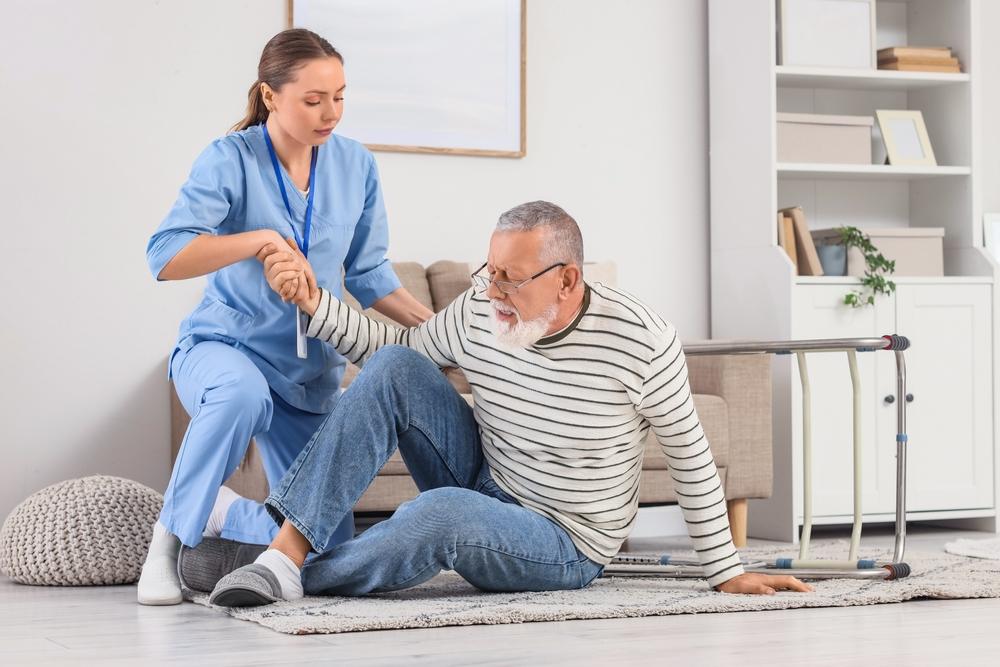
Key Takeaways Most nursing home falls happen during day and evening shifts, peaking between 4:00 PM and 8:00 PM. Nearly two-thirds of falls happen...

Key Takeaways Neglect includes bed sores, severe weight loss, untreated infections, and repeated falls without staff correction. Pennsylvania’s statute of limitations restricts how long...
Need legal advice? Our experienced attorneys are here to help. Reach out today for a confidential consultation tailored to your needs.

100 Front Street Suite 1230
West Conshohocken, PA 19428
Phone: 215-515-0741
Fax: (610) 467-2881
 Message Us
  Call Us