free consultation
free consultation
The personal attention of a small team
as seen on





*Disclaimer: Past results do not guarantee or predict similar outcomes in future cases.
view all results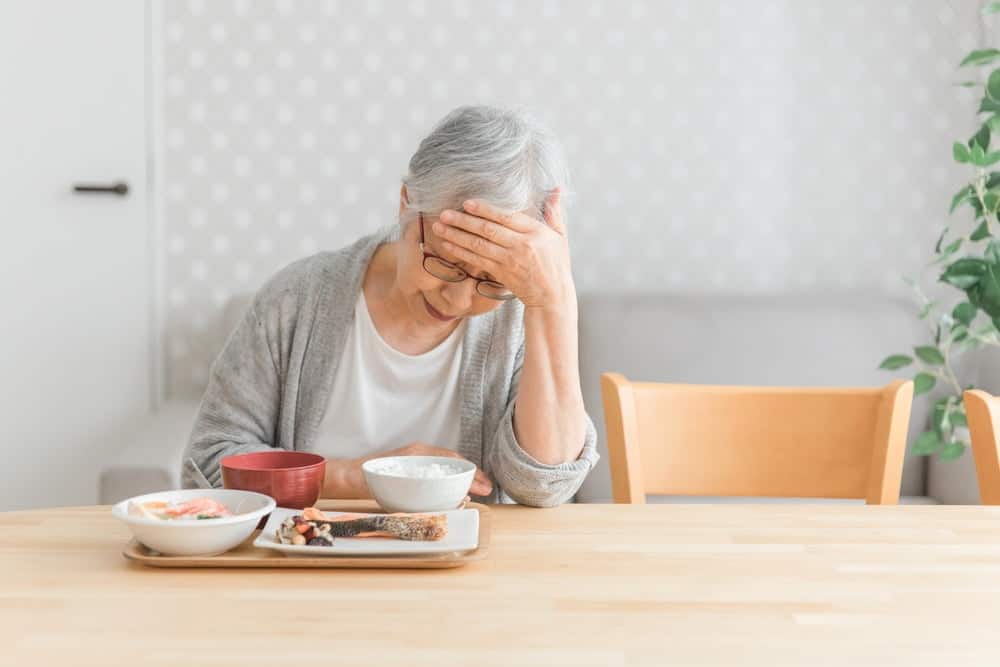
Families trust nursing homes to provide proper nutrition, hydration, and daily care, but when a facility neglects those fundamental responsibilities, residents face serious health consequences that can escalate quickly and cause lasting physical harm. Understanding legal options becomes critical when declining weight, dehydration, or repeated infections point to preventable nutritional failures rather than the natural course of aging.
A Philadelphia Nursing Home Malnutrition Lawyer can help uncover what went wrong, identify who is responsible, and protect a loved one from further injury. At Murray, Stone & Wilson, PLLC | Nursing Home Abuse Attorneys, we work with Pennsylvania families to hold facilities accountable when nutritional neglect signals deeper failures in how they manage resident care.
Don’t wait if something feels wrong. Our legal team can review your situation, explain your options, and help you take immediate action to protect your family.
Malnutrition and dehydration develop quietly in long-term care settings, often going unnoticed until a resident’s health has already declined. Both conditions arise when facilities fail to monitor food and fluid intake, assist residents who need help eating, or adjust care plans as health needs change. Inadequate calories, protein, or essential nutrients weaken the body over time, while insufficient fluids disrupt basic organ function and accelerate physical decline.
When either condition goes unaddressed, the consequences extend well beyond weight loss or thirst. Infections, pressure ulcers, hospitalizations, and cognitive deterioration usually follow, and what should have been a preventable care failure becomes a serious and lasting injury.
Several factors contribute to poor nutrition in nursing homes, such as:
Additional issues can include:
A Philadelphia nursing home malnutrition attorney can review staffing levels, care records, and dietary logs to identify breakdowns in care.

This is not our first nursing home case; we’ve handled thousands of them, and we know the industry.
Recognizing early warning signs of malnutrition and dehydration can make a critical difference in protecting a resident’s health. According to MedlinePlus, dehydration symptoms in older adults may include:
Difficulty swallowing, recurring infections, and pressure injuries often accompany these symptoms and suggest that a resident’s care needs are not being addressed. When multiple indicators surface together, they frequently reflect deeper failures in how a facility monitors and responds to resident health. A Philadelphia Nursing Home Malnutrition Lawyer can review medical records, care plans, and daily documentation to determine whether neglect contributed to a resident’s decline.
Malnutrition in nursing homes is a serious issue because the physical consequences can be severe, progressive, and in some cases fatal. Weakened immune function, slower wound healing, and increased vulnerability to infections frequently follow when nutritional needs go unaddressed in long-term care settings.
Pennsylvania nursing homes have a legal duty to provide adequate nutrition and hydration, and families may have grounds to pursue a civil claim when facilities fail to fulfill those obligations.
Pennsylvania law sets standards for nursing home care, including nutrition and hydration requirements. Skilled nursing facilities must provide proper supervision, individualized care plans, and sufficient staffing to meet each resident’s needs. As noted by the Pennsylvania Department of Health, nursing homes offer 24-hour care for individuals who require ongoing assistance beyond what home care can provide.
When facilities fail to meet these standards, legal claims may arise. A Philadelphia Nursing Home Malnutrition Lawyer can evaluate whether a facility violated state regulations or failed to follow accepted care practices.
Filing a claim usually begins with a legal review of what the facility knew, what it failed to do, and how those failures connect to a resident’s harm. Medical records, weight logs, care plans, and staffing documentation typically form the foundation of a malnutrition case in Pennsylvania.
Compensation may cover medical expenses, pain and suffering, and other losses tied to the facility’s negligence. Our team at Murray, Stone & Wilson, PLLC | Nursing Home Abuse Attorneys guides families through each stage of the process, from initial case evaluation to pursuing accountability for the harm a loved one suffered.
When a loved one shows signs of malnutrition or dehydration in a nursing home, taking legal action can make a difference. At Murray, Stone & Wilson, PLLC | Nursing Home Abuse Attorneys, we help families investigate care failures, understand their legal options, and pursue accountability when neglect causes serious harm.
Call us at (215) 947-5300 for a free consultation with a Philadelphia Nursing Home Malnutrition Lawyer.
Erica C. Wilson earned her B.A. from Boston College, where she was inducted into the Order of the Cross and Crown for academic excellence, leadership, and service. She received her J.D. from Temple University Beasley School of Law, where she was a member of the Temple Law Review and earned “Outstanding Oral Advocacy” honors in three trial advocacy seminars. She later served as an Assistant District Attorney in Philadelphia before representing victims of nursing home abuse and neglect at a national plaintiff’s firm and co-founding Murray Stone & Wilson, PLLC. Erica focuses her practice on nursing home abuse, wrongful death, and catastrophic injury litigation, including complex cases involving neglect, invasion of privacy, and sexual abuse.
Client Reviews


This law firm has been so easy to work with. Mr. Murray was great. They were always available to answer questions I might have had about the case and if not at the time of my call their response was always within the day. Mr. Murray met with us initially and explained everything in detail and made me feel comfortable with our decisions. He has kept me updated and informed with all the closing details about our case. I would definitely use the group again. Awesome experience!!
If you or a loved one has suffered nursing home or elder abuse, Murray, Stone & Wilson, PLLC should be your first call. MSW is an exceptional law firm that holds nursing homes, hospitals, and other care facilities accountable and delivers results for their clients.

This page has been written, edited, and reviewed by a team of legal writers following our comprehensive editorial guidelines. This page was approved by our team of attorneys, who have more than 50 years of combined legal experience in helping victims of nursing home abuse.
Need legal advice? Our experienced attorneys are here to help. Reach out today for a confidential consultation tailored to your needs.
100 Front Street Suite 1230
West Conshohocken, PA 19428
Phone: 215-515-0741
Fax: (610) 467-2881
 Call us at 215-947-5300
  Message Us
  Call Us