
free consultation
free consultation
Posted March 3, 2023 - by MSW Law Group
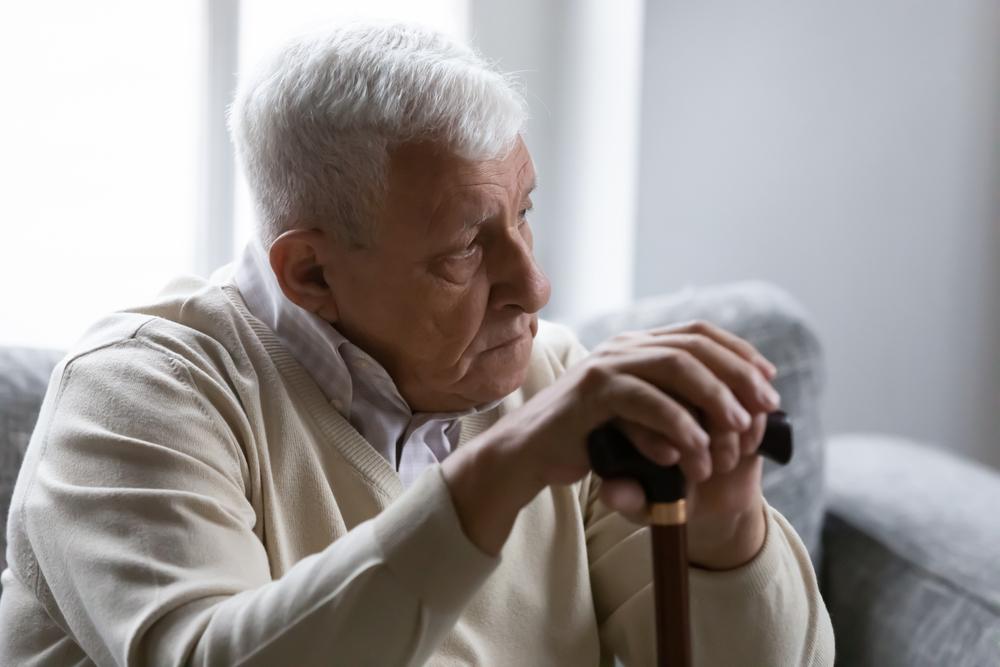
Caring for elderly and disabled individuals in nursing homes can be challenging, especially when it comes to addressing the risks of dehydration and malnourishment. Dehydration and malnourishment can lead to serious health complications and can even be fatal.
It is important for caregivers to be aware of the signs and symptoms of dehydration and malnutrition and to take steps to prevent them in nursing home residents.
In this guide, learn an overview of dehydration and malnourishment in nursing homes, as well as the things you can do when there is nursing home abuse that leads to these conditions.
Dehydration is a serious medical condition in which the body lacks enough fluids to function properly. When dehydration occurs, the body cannot maintain its necessary electrolytes, minerals, and other nutrients. Elderly individuals are particularly vulnerable to dehydration due to the natural aging process, changes in their activity level, and other factors.
When it comes to seniors, dehydration can be a very serious health concern. Signs and symptoms of dehydration in seniors can include:
Malnourishment is a term used to refer to a state of inadequate nutrition caused by not having enough food or not having enough of the right kinds of food. Malnourishment can lead to a wide range of health problems, including physical and cognitive impairments, as well as an increased risk of developing chronic illnesses.
Signs and symptoms of malnourishment in seniors can include:
Nursing home abuse is a serious issue that affects elderly people in nursing homes. This type of abuse includes physical, sexual, psychological, and financial abuse, as well as neglect. Unfortunately, it is a common occurrence in nursing homes, and it can have devastating consequences for the elderly person involved.
The effects of malnutrition and dehydration can be further exacerbated by abuse. Nursing home staff may intentionally withhold food and fluids from vulnerable residents, or they may not provide the necessary nutrition and hydration that the resident needs. Additionally, residents may be too afraid or confused to ask for help, which can lead to further health complications.
If you suspect your elderly family member is being abused in a nursing home, it’s important to take action as soon as possible.
The first step is to talk to your loved one about the issue. Ask them if they’ve experienced abuse or mistreatment, and listen to their concerns. If they cannot communicate or express their thoughts, look for physical signs of abuse, such as bruises, cuts, or scars.
Next, contact the nursing home staff and management to report your suspicions. They should take the allegations seriously and take the necessary steps to investigate the situation. If the staff is unresponsive or dismissive of your concerns, contact the local law enforcement or your state’s Department of Health.
If the abuse is severe, you may need to take legal action. Speak to an attorney specializing in elder abuse cases to learn more about your legal rights and options.
It’s important to remember that nursing home abuse is a serious crime and should be reported as soon as possible. If you suspect your elderly family member suffers from dehydration and malnutrition due to abuse, act quickly and take the necessary steps to protect them.
Do you need an elder care attorney in Pittsburgh? Don’t hesitate to contact us at Murray, Stone & Wilson. Our legal team can help you with a nursing home abuse lawsuit and fight for your loved one. Book a consultation for more information.

This page has been written, edited, and reviewed by a team of legal writers following our comprehensive editorial guidelines. This page was approved by our team of attorneys, who have more than 50 years of combined legal experience in helping victims of nursing home abuse.

When families place a loved one in a nursing home, they trust the facility to protect far more than physical health. Financial abuse in...

Finding Trustworthy Care Through Federal Ratings When your loved one needs nursing home care, choosing the right facility can feel overwhelming. For many families,...

Finding Safe, Quality Nursing Home Care for Your Loved One When your elderly parent can no longer live independently, finding a quality nursing home...
Need legal advice? Our experienced attorneys are here to help. Reach out today for a confidential consultation tailored to your needs.

100 Front Street Suite 1230
West Conshohocken, PA 19428
Phone: 215-515-0741
Fax: (610) 467-2881
 Message Us
  Call Us