
free consultation
free consultation
Posted June 17, 2025 - by MSW Law Group

Discovering signs of abuse or neglect in a loved one’s nursing home can be devastating and overwhelming. The mixture of anger, guilt, and urgency to act quickly creates tremendous pressure on families already dealing with the challenges of elder care. If you suspect your family member is suffering from mistreatment in a Pennsylvania nursing facility, knowing exactly what steps to take—and in what order—can make all the difference in protecting them from further harm. As nursing home abuse cases continue to rise across Pennsylvania, understanding how to properly document, report, and address these serious concerns becomes essential for ensuring your loved one’s safety and dignity.
Don’t let the complexities of nursing home abuse cases overwhelm you. Contact MSW Law Group today to ensure your loved one’s rights are safeguarded and justice is pursued. For immediate assistance, call us at 215-910-4232 or contact us through our website.
Pennsylvania law provides specific protections for nursing home residents through both state and federal regulations. The Pennsylvania Older Adults Protective Services Act establishes a comprehensive framework for reporting and investigating suspected elder abuse, neglect, or exploitation. Nursing home residents are entitled to proper medical care, nutrition, hygiene, and freedom from physical restraints, chemical restraints, isolation, and financial exploitation. Additionally, the federal Nursing Home Reform Act guarantees residents the right to be free from abuse, mistreatment, and neglect, while ensuring their right to privacy, dignity, and the ability to make independent choices. These protections are enforceable, and facilities that violate these rights may face significant legal consequences, including regulatory penalties, civil liability, and in severe cases, criminal charges. Understanding these fundamental legal protections is crucial when advocating for a loved one who may be experiencing mistreatment in a nursing facility.
Timing and proper documentation areessential when confronting possible nursing home abuse. Methodical, purposeful action increases the likelihood of protecting your loved one and holding responsible parties accountable. The Pennsylvania Department of Health oversees nursing facility complaints and recommends a systematic approach to reporting elder abuse and addressing suspected abuse. Following these critical steps will help ensure both immediate safety and proper legal recourse.
Ensure Immediate Safety: If your loved one faces immediate danger, contact 911 immediately. Pennsylvania law enforcement is trained to respond to elder abuse emergencies and can intervene quickly to prevent further harm. For less urgent but still serious concerns, consider temporarily relocating your family member if possible while the situation is investigated. According to Pennsylvania’s Adult Protective Services, emergency protective services can be implemented within 24 hours when an adult is at imminent risk.
Document Everything: Meticulously record all signs of abuse or neglect with dates, times, and detailed descriptions. Take clear photographs of any physical injuries, unsanitary conditions, or other evidence. Keep copies of all medical records, medication logs, and care plans. Pennsylvania courts place significant weight on contemporaneous documentation when evaluating nursing home abuse claims, and studies show that cases with thorough documentation are substantially more likely to result in successful outcomes.
Report to Multiple Authorities: File formal complaints with the Pennsylvania Department of Health (1-800-254-5164), which is legally mandated to investigate nursing home complaints within 48 hours for serious allegations. Also report to the Pennsylvania Department of Aging’s Older Adult Protective Services (1-800-490-8505), which provides 24/7 reporting capabilities. For Medicare/Medicaid-certified facilities, contact the Long-Term Care Ombudsman Program, which advocates for nursing home residents’ rights.
Consult with Medical Professionals: Have your loved one examined by an independent healthcare provider not affiliated with the nursing home. Request detailed medical reports documenting any injuries, malnutrition, dehydration, unexplained sedation, or psychological trauma. Pennsylvania healthcare providers are mandated reporters of elder abuse and can help establish the medical evidence needed for both protection and potential legal action.
Contact a Nursing Home Abuse Attorney: Pennsylvania’s statute of limitations for nursing home abuse cases is typically two years from discovery of the injury, though exceptions exist. An experienced nursing home abuse lawyer in Pittsburgh can help navigate complex state regulations, manage communications with the facility, coordinate with investigating agencies, and determine whether the situation warrants a civil lawsuit or other legal intervention.
Addressing nursing home abuse requires navigating complex systems of care providers, regulatory bodies, and legal frameworks. At MSW Law Group, we’ve found that many families struggle to effectively advocate for their loved ones while managing the emotional toll of discovering mistreatment. Pennsylvania’s regulatory system for nursing homes involves multiple agencies with overlapping jurisdictions, creating a challenging landscape for families to navigate alone. A knowledgeable nursing home abuse lawyer helps reduce this complexity by simultaneously addressing immediate safety concerns while preserving legal options. Our approach focuses first on stopping ongoing abuse through proper reporting and intervention, then pursuing appropriate compensation for injuries suffered. This dual-track approach often results in both improved facility conditions and financial resources to secure better care options. While Pennsylvania offers several pathways for reporting abuse, experienced legal counsel can significantly enhance the effectiveness of these mechanisms by ensuring reports target the proper authorities with properly documented evidence.
Identifying nursing home abuse often requires careful attention to subtle changes in your loved one’s condition or behavior. Many victims of elder abuse cannot or will not report mistreatment due to cognitive impairments, fear of retaliation, or embarrassment. In Pennsylvania nursing facilities, abuse and neglect can take multiple forms, each with distinct warning signs that family members should monitor during visits. Physical abuse might present as unexplained bruises, welts, burns, or restraint marks, while neglect often manifests through dehydration, malnutrition, poor hygiene, untreated medical conditions, or pressure sores. Emotional abuse can lead to withdrawal, unusual behavior changes, anxiety, or depression. Financial exploitation may be indicated by unexpected changes to financial documents, missing personal items, or unexplained transactions. Sexual abuse, though particularly difficult to detect, may present through unexplained genital injuries, sexually transmitted infections, or extreme agitation when receiving personal care.
Neglect represents one of the most prevalent forms of mistreatment in Pennsylvania nursing homes, often resulting from systemic issues like understaffing rather than intentional abuse. Basic care neglect occurs when residents don’t receive assistance with essential daily activities like bathing, toileting, dressing, or eating. Nursing home medical neglect involves failure to provide proper healthcare, including medication errors, ignoring medical needs, or improper wound care. Social or emotional neglect happens when residents are consistently left alone, ignored, or denied social interaction and stimulation. Neglect of personal hygiene is particularly common in understaffed facilities, where residents may be left in soiled clothing or bedding for extended periods. We’ve observed that many Pennsylvania facilities experiencing staffing shortages prioritize more visible aspects of care while neglecting equally important but less obvious needs like proper hydration, repositioning to prevent pressure sores, or providing mobility assistance.
Pennsylvania maintains specific legal standards for nursing home care through both state regulations and the adoption of federal requirements. The Pennsylvania Department of Health conducts regular inspections of all licensed nursing facilities and maintains detailed reports accessible to the public. These regulations establish minimum staffing requirements, including specific staff-to-resident ratios and mandatory training standards. They also detail requirements for medical care, nutrition, resident rights, facility safety, and infection control protocols. When investigating potential abuse or neglect, understanding these regulations helps identify specific violations that strengthen a case. For example, Pennsylvania requires nursing homes to develop and follow comprehensive care plans for each resident, conduct regular assessments, properly document all care, maintain adequate staffing levels, and immediately report suspected abuse. Violations of these standards represent regulatory infractions and can serve as evidence of negligence in legal proceedings.
Multiple regulatory bodies share responsibility for nursing home oversight in Pennsylvania, creating a complex but comprehensive monitoring system. The Pennsylvania Department of Health is the primary regulatory agency, conducting annual surveys and complaint investigations of all licensed nursing facilities. The Office of the State Long-Term Care Ombudsman advocates specifically for nursing home residents, helping resolve complaints and ensuring resident rights are protected. For facilities receiving Medicare or Medicaid funding, the Centers for Medicare and Medicaid Services (CMS) provides additional oversight through its Five-Star Quality Rating System and can impose significant penalties for non-compliance. The Pennsylvania Department of Human Services oversees personal care homes and assisted living residences, while the Pennsylvania Office of Attorney General’s Elder Abuse Unit investigates and prosecutes criminal cases of elder abuse. Understanding which agency handles specific types of complaints can expedite investigations and increase the likelihood of appropriate intervention.
When nursing home abuse or neglect causes harm to a resident, Pennsylvania law provides several avenues for seeking justice and compensation. Civil lawsuits against nursing facilities typically proceed under theories of negligence, which require proving that the facility breached its duty of care and that this breach directly caused harm to the resident. In cases involving intentional mistreatment, additional claims for assault, battery, or intentional infliction of emotional distress may be appropriate. Pennsylvania law allows victims to seek compensation for medical expenses, pain and suffering, emotional distress, and in some cases, punitive damages designed to punish particularly egregious conduct. For cases involving a resident’s death, Pennsylvania’s wrongful death and survival statutes allow family members to pursue claims for both the losses suffered by the family and the pain and suffering experienced by the deceased before death.
Successful nursing home abuse litigation in Pennsylvania requires comprehensive evidence gathering and strategic case development. Medical records form the foundation of most claims, providing documentation of injuries, medication administration, treatment, and the facility’s response to changes in condition. Facility records, including care plans, incident reports, staffing logs, and internal communications, can reveal crucial information about care deficiencies or cover-up attempts. Witness testimony from other residents, family members, former employees, or third-party healthcare providers often provides critical context that official records may omit. Expert witnesses, including geriatric care professionals, can establish the appropriate standard of care and explain how the facility’s actions or inactions deviated from accepted practices. Regulatory investigation findings from state agencies can provide additional support for claims of negligence or misconduct. Building this comprehensive evidence portfolio is time-intensive but essential for achieving meaningful compensation and accountability.
You should contact a nursing home abuse lawyer in Pittsburgh as soon as possible after discovering potential signs of abuse or neglect. The Pennsylvania two year statute of limitations for most personal injury claims, but various factors can affect this timeframe. More importantly, prompt legal intervention can help secure critical evidence, coordinate with regulatory investigations, and implement immediate protective measures. Many Pittsburgh elder abuse attorneys offer free consultations and can provide guidance even while you’re still gathering information or making initial reports to authorities.
A Pennsylvania nursing home neglect lawyer can help recover several types of compensation, including medical expenses for treating injuries caused by abuse or neglect, costs of transferring to a different facility, physical pain and suffering, emotional distress, and loss of dignity. In financial exploitation cases, stolen funds or property may be possible. For particularly egregious cases, punitive damages might be awarded. If the abuse resulted in death, wrongful death compensation could include funeral expenses, loss of companionship, and the deceased’s pain and suffering before death. Pennsylvania’s experienced nursing home negligence attorney will evaluate all potential damages to ensure comprehensive compensation.
Yes, you can pursue a nursing home abuse lawsuit in Pittsburgh even if your loved one has dementia or communication difficulties. In such cases, family members can often act as legal representatives through guardianship or power of attorney. Pittsburgh elder rights attorneys are experienced in working with vulnerable clients and can use medical records, witness testimony, and professional evaluations to build a case even without the victim’s direct testimony. Courts recognize that residents with cognitive impairments are often targeted precisely because of their vulnerability, and Pennsylvania law provides specific protections for these individuals.
Most nursing home abuse claims Pittsburgh attorneys, including those at MSW Law Group, work on a contingency fee basis, meaning they only collect payment if they successfully recover compensation for you. The typical contingency fee ranges, with exact percentages often depending on case complexity and whether the case settles or goes to trial. Initial consultations are generally free, and you shouldn’t face upfront costs. During your consultation, the attorney should clearly explain their fee structure, any potential case expenses (such as expert witness fees or filing costs), and how these would be handled if the case is unsuccessful.
Elder care protection in Pittsburgh operates through several agencies that work in parallel to the legal system. When abuse is reported, Adult Protective Services conducts investigations and can implement emergency protective measures, including temporary relocation of the victim. The Long-Term Care Ombudsman advocates for residents’ rights and can facilitate complaint resolution with facilities. The Pennsylvania Department of Health investigates regulatory violations and may impose sanctions. While these agencies focus on immediate protection and regulatory compliance, the legal process through a nursing home abuse claims Pittsburgh attorney addresses compensation and long-term accountability. These systems work complementarily, with information often flowing between protective agencies and legal proceedings to strengthen both protective measures and legal claims.
When confronting suspected nursing home abuse, having knowledgeable legal guidance can significantly impact both your loved one’s immediate safety and long-term well-being. While the steps outlined above provide a framework for addressing nursing home mistreatment, each situation presents unique challenges requiring personalized strategies. At MSW Law Group, we understand the complex interplay between Pennsylvania’s regulatory systems, healthcare providers, and legal remedies available to abuse victims. Our approach begins with a thorough evaluation of your loved one’s situation, followed by coordinated intervention that addresses both immediate safety concerns and long-term legal options. We can help you navigate reporting requirements, document evidence properly, communicate effectively with facilities and regulatory agencies, and determine the most appropriate legal remedies for your specific circumstances. Whether you’re seeking regulatory intervention, facility accountability, or compensation for injuries sustained, having experienced legal representation ensures your loved one’s rights remain protected throughout the process.
When it comes to safeguarding your loved one’s rights and ensuring their well-being, don’t leave anything to chance. Connect with MSW Law Group for dedicated legal support. Dial 215-910-4232 or contact us to take the first step towards justice and peace of mind.

This page has been written, edited, and reviewed by a team of legal writers following our comprehensive editorial guidelines. This page was approved by our team of attorneys, who have more than 50 years of combined legal experience in helping victims of nursing home abuse.
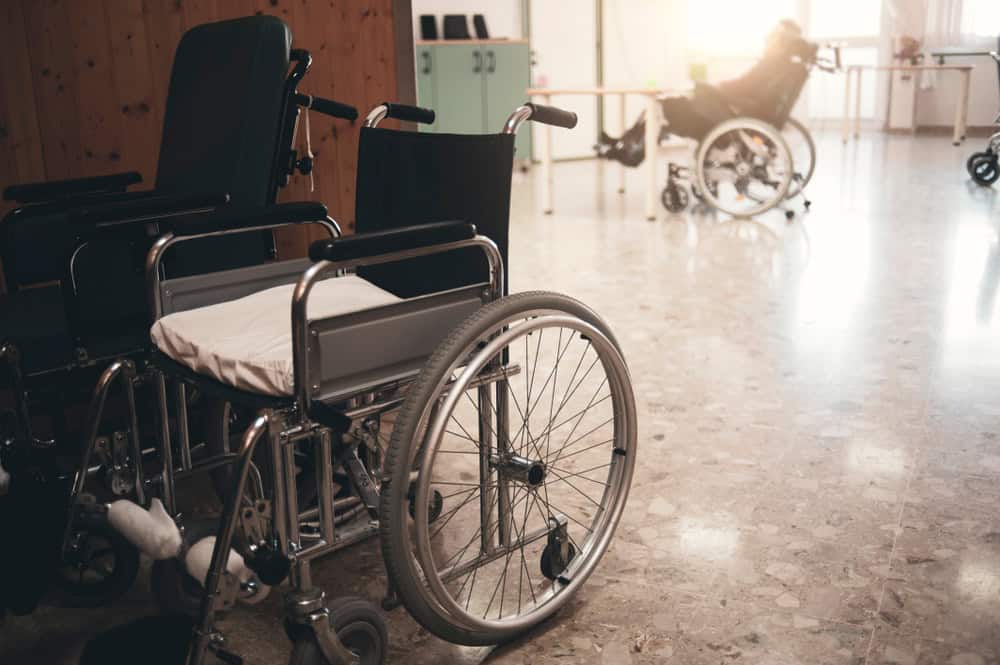
Key Takeaways Negligence arises when care lapses lead to harm and fall below accepted standards. A claim requires proof of duty, breach, causation, and...

Key Takeaways Physical abuse in nursing homes involves intentional force by staff, visitors, or other residents that causes injury or pain. Warning signs include...
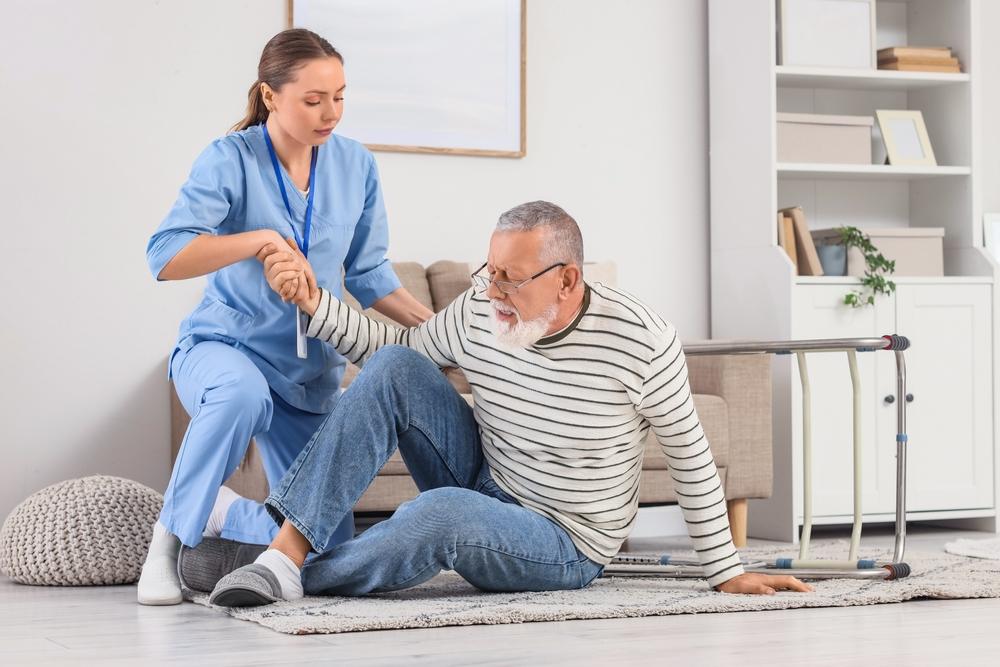
Key Takeaways Most nursing home falls happen during day and evening shifts, peaking between 4:00 PM and 8:00 PM. Nearly two-thirds of falls happen...
Need legal advice? Our experienced attorneys are here to help. Reach out today for a confidential consultation tailored to your needs.

100 Front Street Suite 1230
West Conshohocken, PA 19428
Phone: 215-515-0741
Fax: (610) 467-2881
 Message Us
  Call Us