
free consultation
free consultation
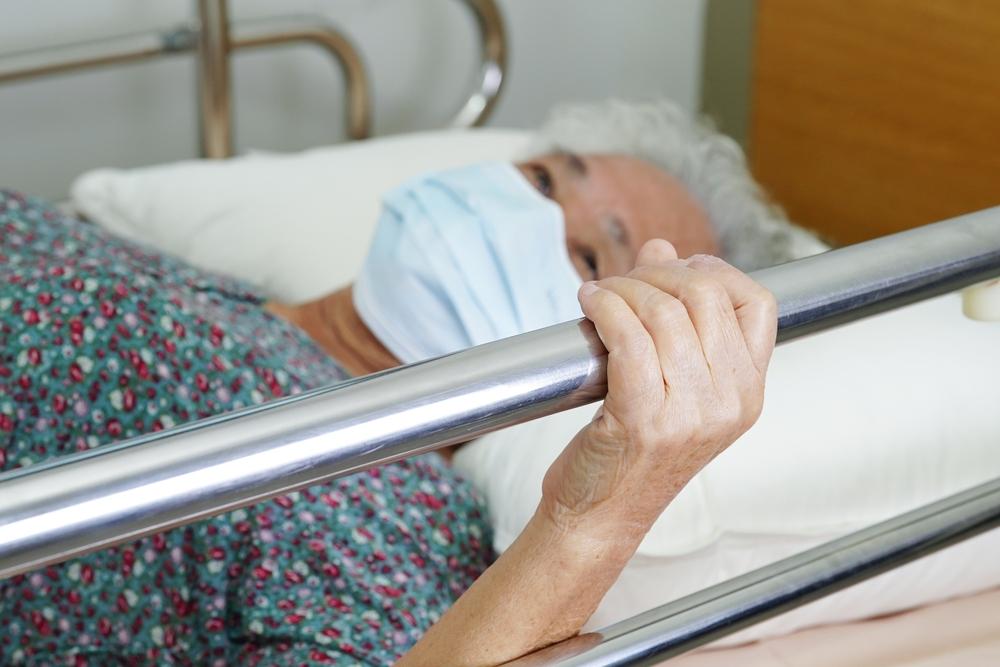
Murray, Stone & Wilson, PLLC | Nursing Home Abuse Attorneys represents Pittsburgh families harmed by nursing home negligence, including injuries tied to restraint misuse. Families asking “Are bed rails allowed in nursing homes?” deserve a direct answer: bed rails are heavily restricted in Pennsylvania because regulators classify them as physical restraints. A Pittsburgh nursing home abuse lawyer can evaluate whether a facility’s actions constitute neglect under Pennsylvania law.
Don’t wait if something feels wrong. Our legal team can review your situation, explain your options, and help you take immediate action to protect your family.
Federal and state regulators require nursing homes to meet strict conditions before using bed rails, generally prohibited unless a physician prescribes them to treat a specific medical symptom. According to the FDA Adult Portable Bed Rail Safety guidance, bed rails are regulated as medical devices, with specific cautions for older adults and those with physical limitations or memory and thinking problems.
Bed rails do not become lawful simply because a doctor mentions them. The physician must document the specific medical condition the rail addresses, the resident or a family member must consent, and the facility must maintain a care plan monitoring whether the rail is causing harm.
What facilities cannot do is install rails across an entire ward for convenience. Using a restraint for staff convenience is one of the things nursing homes are not allowed to do under Pennsylvania law. Pennsylvania law requires an individual assessment for each resident, and skipping it is grounds for a neglect finding.
Pittsburgh nursing homes have several options for keeping residents safe that do not carry the entrapment and fall risks that bed rails do.
A facility that skips these options and reaches for bed rails is making a choice that often says more about staffing levels than the resident’s needs.
free consultation
Bed rails have killed people. The FDA and the U.S. Consumer Product Safety Commission have received death and injury reports tied to portable and hospital bed rails, and the agency’s own guidance on adult portable bed rail safety concerns identifies entrapment as the most dangerous outcome occurring when a resident becomes trapped between the rail and the mattress, between the supports, or underneath the rail itself, each of which can end in suffocation.
Other documented injuries include falls from greater height when residents climb over rails, bruising and fractures from contact with rail edges, and skin wounds from prolonged pressure against the rail.
The FDA flags that even a correctly installed rail can harm a resident with dementia or confusion. When a facility ignores that warning and a resident is hurt, the legal consequences can be serious.
Families still asking “Are bed rails allowed in nursing homes?” After a loved one has been hurt deserve practical next steps alongside a clear answer. Getting medical attention comes first. Then families should build a record before the facility revises its documentation, requesting the resident’s care plan and the doctor’s written instructions about the rail, photographing any injuries, and writing down the names of staff members involved.
Bed rail injuries in Pittsburgh nursing homes are not accidents when facilities skip required assessments, ignore safer alternatives, or use restraints without authorization. Murray, Stone & Wilson, PLLC | Nursing Home Abuse Attorneys helps Pennsylvania families evaluate whether a facility’s conduct violated state and federal care standards. Call (412) 516-6000 to speak with a Pittsburgh nursing home abuse lawyer in a free consultation. Do not wait; critical evidence has a limited window.
William P. Murray, III is a Tampa-based Shareholder with over 15 years of experience representing victims of nursing home abuse, corporate fraud, trucking accidents, and catastrophic injuries. He earned his Juris Doctor from American University’s Washington College of Law, where he received the Mooers’ Trophy for excellence in trial practice, and has served as both a trial lawyer and managing attorney at a national firm before co-founding Murray, Stone & Wilson, PLLC. Recognized as a Super Lawyers Rising Star in Pennsylvania and Florida.
Speak with an experienced attorney about your case today.

This page has been written, edited, and reviewed by a team of legal writers following our comprehensive editorial guidelines. This page was approved by our team of attorneys, who have more than 50 years of combined legal experience in helping victims of nursing home abuse.
Key Takeaways Negligence arises when care lapses lead to harm and fall below accepted standards. A claim requires proof of duty, breach, causation, and...

Key Takeaways Physical abuse in nursing homes involves intentional force by staff, visitors, or other residents that causes injury or pain. Warning signs include...
Key Takeaways Most nursing home falls happen during day and evening shifts, peaking between 4:00 PM and 8:00 PM. Nearly two-thirds of falls happen...
Need legal advice? Our experienced attorneys are here to help. Reach out today for a confidential consultation tailored to your needs.

100 Front Street Suite 1230
West Conshohocken, PA 19428
Phone: 215-515-0741
Fax: (610) 467-2881
 Call us at 215-947-5300
 Message Us
  Call Us