free consultation
free consultation
Posted August 21, 2026 - by MSW Law Group
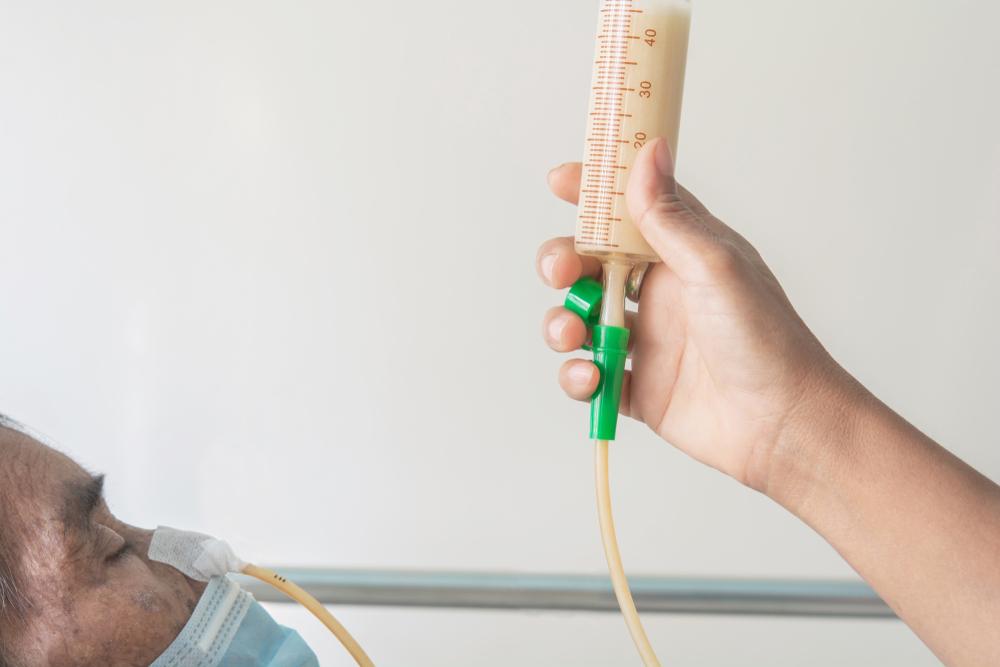
When a loved one can no longer swallow safely, families often need to know: do nursing homes accept patients with feeding tubes? That answer affects major decisions during an already difficult time. Murray, Stone & Wilson, PLLC | Nursing Home Abuse Attorneys helps Philadelphia families understand how feeding tube care should work inside a licensed facility, and our Philadelphia nursing home abuse lawyers review cases where that standard of care breaks down. Many skilled nursing facilities across Philadelphia accept residents who depend on feeding tubes such as G-tubes, J-tubes, or PEG tubes, since these facilities carry the specific licensing required to manage enteral nutrition. Knowing how that care should look helps them spot warning signs early.
Don’t wait if something feels wrong. Our legal team can review your situation, explain your options, and help you take immediate action to protect your family.
Nursing homes manage several types of feeding tubes, and each serves a different medical purpose. According to the MedlinePlus Medical Encyclopedia, tube feeding delivers nutrition, fluids, and medication when a resident cannot eat or drink safely by mouth, and the method chosen depends on how long assistance is expected to last.
The nasogastric tube, often called an NG tube, passes through the nose into the stomach and works best for short-term use. For residents who need longer-term feeding support, facilities typically turn to the gastrostomy tube, also called a G-tube or PEG tube, or the jejunostomy tube, known as a J-tube. Both are placed through a small incision in the abdomen rather than the nose. Facilities determine which tube to use based on a physician’s assessment of the resident’s swallowing ability, medical condition, and expected length of need.
Federal regulation under 42 CFR § 483.25(g), governing assisted nutrition and hydration, restricts when facilities may switch a resident to tube feeding. For residents who have been able to eat enough on their own or with assistance, the regulation prohibits switching them to tube feeding unless their clinical condition demonstrates it is clinically indicated and they have consented.
The same provision requires staff to work toward restoring oral eating skills when possible and to prevent complications of tube feeding, including aspiration pneumonia, a lung infection caused by inhaling food or liquid, dehydration, and other metabolic problems.
free consultation
The question of “Do nursing homes accept patients with feeding tubes?” becomes more troubling when understaffed facilities treat tube feeding as a shortcut rather than a medical responsibility. Warning signs often develop quietly before a family notices a crisis. Common indicators include:
Families who notice these patterns should document what they observe and speak directly with facility staff. These warning signs often overlap with broader nursing home abuse symptoms, from unexplained weight loss to untreated infection, that point to systemic neglect. When concerns go unaddressed, reporting suspected neglect to the Pennsylvania Department of Aging creates an official record and can prompt an investigation into the facility’s care practices.
Yes, skilled nursing facilities throughout Philadelphia and across Pennsylvania are equipped to care for these residents because they hold the licensing needed to manage tube feeding. State surveyors inspect these homes to confirm compliance with federal care standards for this type of care. Facilities must also keep staff trained specifically in tube feeding procedures to maintain that licensing.
If you are still asking “Do nursing homes accept patients with feeding tubes?” because you worry a facility failed to provide the care your loved one needed, Murray, Stone & Wilson, PLLC | Nursing Home Abuse Attorneys is ready to help. Our attorneys examine medical records, staffing patterns, and care plans to determine whether neglect contributed to your loved one’s injury. Call (215) 947-5300 today for a free consultation with a Philadelphia nursing home abuse lawyer.
William P. Murray, III is a Tampa-based Shareholder with over 15 years of experience representing victims of nursing home abuse, corporate fraud, trucking accidents, and catastrophic injuries. He earned his Juris Doctor from American University’s Washington College of Law, where he received the Mooers’ Trophy for excellence in trial practice, and has served as both a trial lawyer and managing attorney at a national firm before co-founding Murray, Stone & Wilson, PLLC. Recognized as a Super Lawyers Rising Star in Pennsylvania and Florida.
Speak with an experienced attorney about your case today.

This page has been written, edited, and reviewed by a team of legal writers following our comprehensive editorial guidelines. This page was approved by our team of attorneys, who have more than 50 years of combined legal experience in helping victims of nursing home abuse.

Key Takeaways More than 40 percent of nursing home residents nationwide live with a dementia diagnosis, per the latest federal data. Memory and thinking...
Key Takeaways Negligence arises when care lapses lead to harm and fall below accepted standards. A claim requires proof of duty, breach, causation, and...

Key Takeaways Physical abuse in nursing homes involves intentional force by staff, visitors, or other residents that causes injury or pain. Warning signs include...
Need legal advice? Our experienced attorneys are here to help. Reach out today for a confidential consultation tailored to your needs.
100 Front Street Suite 1230
West Conshohocken, PA 19428
Phone: 215-515-0741
Fax: (610) 467-2881
 Call us at 215-947-5300
 Message Us
  Call Us