
free consultation
free consultation
Posted April 3, 2026 - by MSW Law Group

Families throughout Philadelphia rely on nursing homes to deliver consistent care and safe living conditions. When a resident’s condition shifts or behavior changes without explanation, those developments often signal deeper concerns. Common signs and symptoms seen in long-term care environments may include unexplained injuries, sudden withdrawal, weight loss, declining hygiene, or missing belongings. These patterns frequently connect to broader nursing home abuse symptoms, which may involve physical harm, neglect, or financial misuse. At Murray, Stone & Wilson, PLLC | Nursing Home Abuse Attorneys, we identify these warning signs early and help families move forward with guidance from a nursing home abuse lawyer familiar with how these cases unfold.
Recognizing early indicators allows families to intervene before conditions worsen. Many facilities show warning patterns long before serious injury occurs. In Philadelphia nursing homes, the most frequently reported nursing home abuse symptoms include visible physical harm, behavioral changes, and financial irregularities.
According to the Pennsylvania Department of Aging, common signs and symptoms of abuse include isolation, unexplained weight loss, bruises or fractures, increased confusion, unusual financial withdrawals, and sudden transfers of property ownership. These indicators often appear gradually, making close observation essential.
Physical injuries often stand out first. Bruising, cuts, burns, or broken bones without a clear explanation may point to improper handling or poor supervision. Pressure injuries, also called bedsores, frequently develop when staff fail to reposition residents or monitor mobility needs.
Emotional and behavioral changes may take longer to recognize but carry equal weight. Residents may appear withdrawn, anxious, or uneasy around certain caregivers. Sudden confusion or agitation can reflect emotional harm or medication-related issues. Some individuals begin refusing care, not out of independence, but out of fear.
Patterns across time provide valuable insight. Frequent falls, wandering episodes, or untreated infections often indicate deeper care breakdowns. When physical injuries occur alongside behavioral shifts, families should view those signs as connected rather than isolated.
Neglect remains one of the most common forms of abuse in long-term care facilities. Unlike direct physical harm, neglect often involves inaction, where staff fail to meet basic needs such as nutrition, hydration, hygiene, or medical care. Pittsburgh families dealing with these concerns should also review how to recognize signs of elder abuse before conditions worsen and options become more limited.
The Commonwealth of Pennsylvania defines neglect as the refusal or failure by caregivers to provide necessary food, shelter, healthcare, or protection for a vulnerable adult. This definition highlights how neglect extends beyond simple oversight and reflects a breakdown in responsibility.
Common signs include dehydration, malnutrition, poor hygiene, soiled bedding, and untreated medical conditions. Residents may also experience infections or delayed responses to health concerns. In Philadelphia facilities, these issues often connect to understaffing or inadequate supervision.
Facility conditions also reveal neglect. Unsanitary rooms, unpleasant odors, or unsafe environments suggest systemic problems within a facility. When these conditions appear alongside declining health, neglect becomes a serious concern.
Early action helps reduce risk. Families who observe nursing home abuse symptoms should begin documenting concerns immediately. Photos, written notes, and medical records can establish patterns over time.
Reporting concerns to the appropriate authorities plays an important role in addressing abuse. In Pennsylvania, complaints involving nursing homes may be directed to the Department of Health, which oversees facility conditions and investigates violations. Prompt reporting creates a record and may protect other residents.
Communication with facility administrators can also provide insight. Direct conversations may reveal whether staff recognize and address the issue or attempt to dismiss concerns. Consistent lack of response or vague explanations often signals deeper operational problems.
Start by documenting every visible injury, behavioral change, or environmental concern. Clear records strengthen any future claim and help identify patterns of neglect or abuse.
Request a care plan review. Families have the right to understand how a facility manages medical needs, nutrition, and daily supervision. A lack of transparency may raise additional concerns.
Seek an independent medical evaluation. Outside physicians can assess whether injuries or conditions align with proper care standards.
Limit exposure to potential harm. When safety concerns escalate, transferring a resident to another facility may become necessary.
Report suspected abuse to state authorities. Filing a formal complaint creates accountability and may trigger an investigation into facility practices.
Nursing home residents deserve consistent care, dignity, and protection from harm. When warning signs surface, legal guidance can help families understand available options and hold facilities accountable for unsafe conditions. Call Murray, Stone & Wilson, PLLC | Nursing Home Abuse Attorneys at (215) 947-5300 to discuss concerns and learn how a nursing home abuse lawyer can help protect your loved one and pursue appropriate legal action. Schedule a free consultation.

This page has been written, edited, and reviewed by a team of legal writers following our comprehensive editorial guidelines. This page was approved by our team of attorneys, who have more than 50 years of combined legal experience in helping victims of nursing home abuse.

Key Takeaways Self neglect elderly describes an older adult unable or unwilling to meet basic needs like food, hygiene, and medication. Warning signs include...
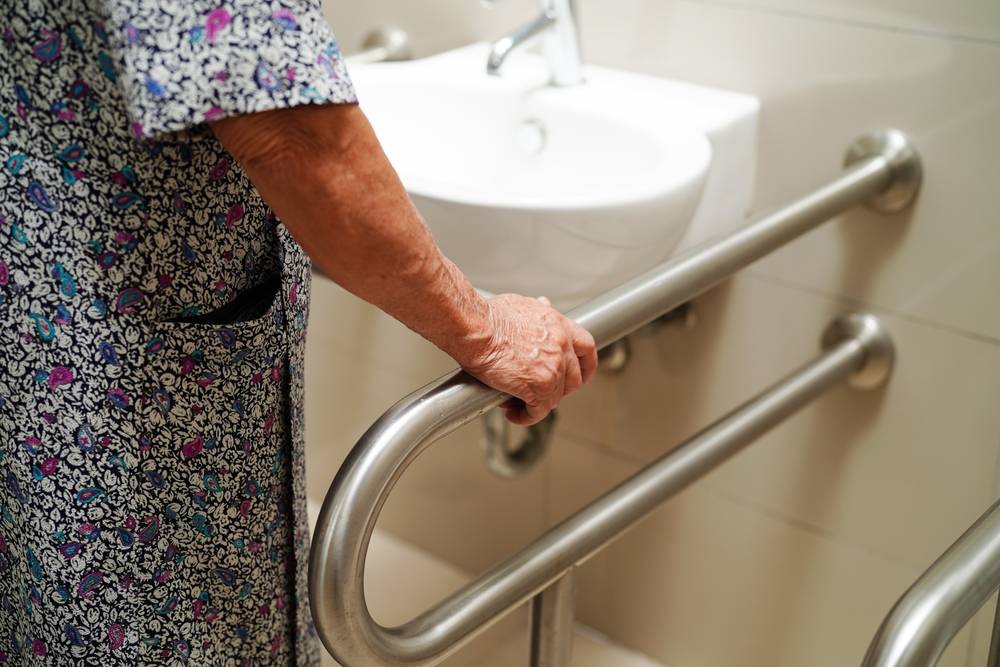
Key Takeaways Pennsylvania nursing homes typically bathe residents two to three times weekly, plus daily hygiene support. No state or federal law sets an...
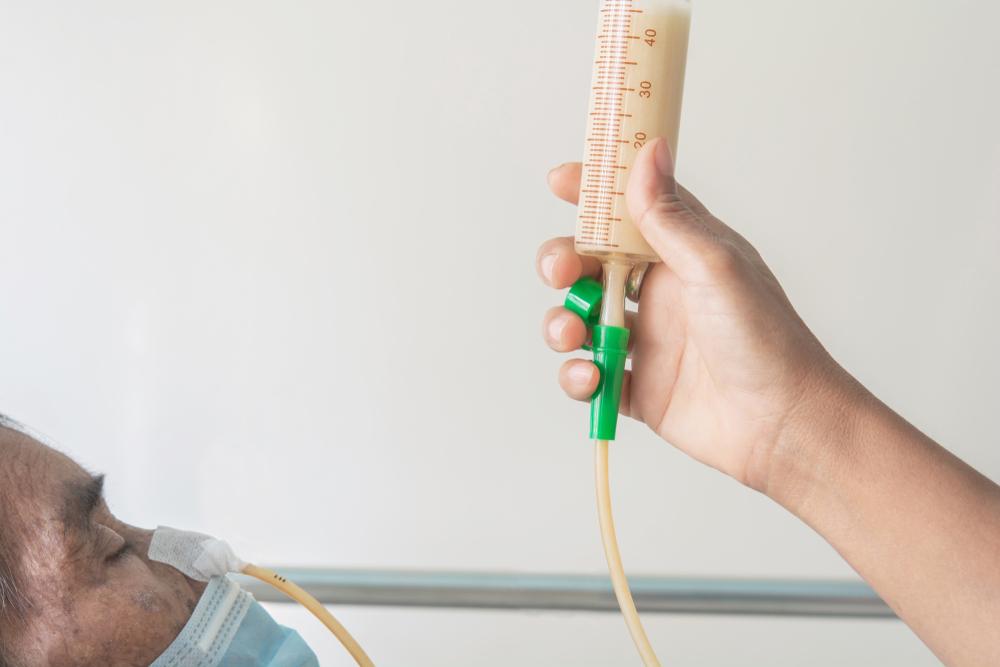
Key Takeaways Skilled nursing facilities in Philadelphia are licensed to manage feeding tubes, unlike assisted living or personal care homes. Feeding tubes include the...
Need legal advice? Our experienced attorneys are here to help. Reach out today for a confidential consultation tailored to your needs.

100 Front Street Suite 1230
West Conshohocken, PA 19428
Phone: 215-515-0741
Fax: (610) 467-2881
 Message Us
  Call Us