
free consultation
free consultation
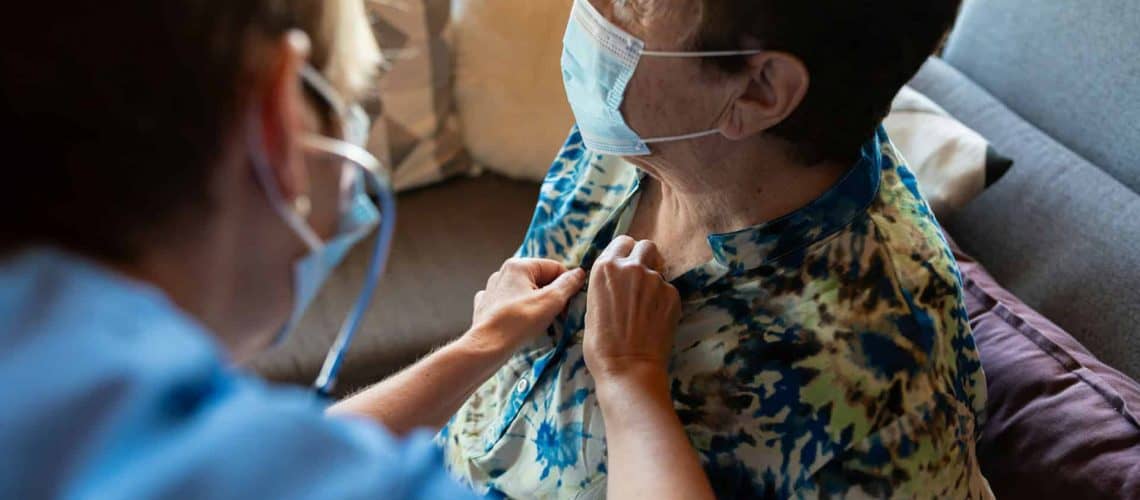
Ensuring the safety and well-being of loved ones in nursing homes is a top priority for many families. However, neglect can sometimes go unnoticed, quietly affecting the health and happiness of those we care about. Recognizing the signs and taking action is essential to safeguard the well-being of nursing home residents.
Neglect in nursing homes can manifest in various ways, from physical symptoms to emotional distress. It’s important to differentiate between subtle indications of neglect and more obvious signs of abuse. By becoming familiar with these warning signs, you can help ensure that your loved ones receive the care and respect they deserve.
Being proactive about monitoring care and understanding what constitutes neglect can make a significant difference. Armed with this knowledge, families can take steps to address any issues, fostering an environment where residents feel safe and valued. Let’s explore how to spot neglect and the actions you can take to protect your family members.
Nursing home neglect is a serious issue that arises when basic needs and proper care for residents are not met. It involves failing to provide essential services, such as feeding, personal hygiene, or medical care. Unlike abuse, which is intentional harm, neglect often stems from inadequate staffing, lack of training, or oversight failures. However, both neglect and abuse can lead to harmful consequences for residents.
Distinguishing between neglect and abuse is vital to address the right issues within care facilities. Abuse may involve physical harm or emotional torment, while neglect often shows up through unintentional omission of care. Regardless, both impact the quality of life and health of nursing home residents negatively.
Neglect can have profound effects on residents, leading to physical ailments like bedsores, infections, and a decline in mental health. It can also result in emotional issues such as depression, anxiety, and a sense of isolation. Understanding these impacts is crucial to prevent and address neglect, ensuring that residents receive the compassionate care they deserve. Families must remain vigilant and informed to protect their loved ones from such distress.
Spotting neglect requires attention to various signs that might indicate substandard care. Physical indicators are often the most obvious. Residents might experience bedsores, malnutrition, or dehydration due to neglect. These conditions suggest a lack of regular attention and proper nutrition, which can severely affect health.
Environmental clues can also point to neglect. Unclean facilities, overflowing trash bins, and lack of basic supplies are red flags that the facility is not maintaining adequate living conditions. Additionally, broken equipment or poor maintenance of the premises should not be ignored as they pose safety risks.
Behavioral changes in residents can be telling signs of neglect. If a resident shows signs of depression, anxiety, or withdrawal from social activities, it may suggest that their emotional needs are not being met. Unexplained weight loss, listlessness, or sudden changes in mood are important clues that families should monitor closely. Recognizing these indicators empowers families to take timely action and advocate for better care for their loved ones.
To ensure your loved ones receive proper care in nursing homes, it’s essential to be proactive and attentive. Start by making regular visits, as this helps you observe their condition firsthand. Look for changes in appearance, behavior, or weight, which may indicate neglect. Engaging with the staff during visits can also offer insights into the care being provided.
Open communication with caregivers is crucial. Ask specific questions about your loved one’s daily routine, personal care, and any medical treatments they might be receiving. Pay attention to how staff members respond to your inquiries. This will help you assess whether the facility is providing the necessary care.
Additionally, document your observations. Keep a record of visits, noting any concerns or changes you notice. Pictures can be a valuable tool for documenting physical conditions like bedsores or bruises. By maintaining detailed records, you can easily identify patterns that might suggest neglect. These efforts not only help in ensuring that your loved one receives proper care, but they can also be critical if you ever need to address neglect with the facility’s management or authorities.
If you suspect neglect, taking immediate and decisive action can protect your loved one and potentially improve their care. Start by gathering as much evidence as possible. Take photographs of physical signs of neglect, such as injuries or unsanitary conditions, and keep a detailed log of observations from your visits.
Next, report the neglect to the facility’s management. Request a meeting with administrators to discuss your concerns, sharing your evidence and documentation. It’s important to approach this meeting calmly but firmly, as you seek a resolution to improve your loved one’s care.
If the issue is not resolved, or if the neglect is severe, contact external agencies. Report the neglect to local health departments, adult protective services, or ombudsman offices, which can investigate and take official action against the facility. Lastly, consulting with legal experts can provide guidance and support. Seeking legal advice ensures residents’ rights are upheld and can hold the facility accountable for any wrongdoing.
Empowering yourself with knowledge about neglect and taking a stand when necessary is crucial for ensuring the health and safety of your loved ones in nursing homes. By taking these steps, you act as a vital advocate for their care and well-being.
Spotting and addressing neglect in nursing homes requires vigilance and dedication. By understanding the signs and maintaining open communication with both residents and staff, families can ensure the safety and comfort of their loved ones. Visiting regularly, observing carefully, and documenting your findings help keep potential neglect in check. When action is required, being prepared to report and seek legal guidance ensures that no stone is left unturned in seeking justice and better care.
Nursing home residents deserve compassion and adequate attention throughout their stay. Being proactive and informed helps create an environment where they receive the dignity and support they need. When neglect goes unaddressed, it not only impacts the individual resident but can perpetuate a cycle of poor care, affecting others as well.
If you’re concerned about the well-being of a family member in a nursing home, take the first step towards making a change. Contact Murray, Stone & Wilson to discuss your legal options and protect your loved one’s rights. Our experienced lawyer in nursing home neglect is ready to guide you through the next steps to ensure justice and safe, respectful care for those you love.

This page has been written, edited, and reviewed by a team of legal writers following our comprehensive editorial guidelines. This page was approved by our team of attorneys, who have more than 50 years of combined legal experience in helping victims of nursing home abuse.

When families place a loved one in a nursing home, they trust the facility to protect far more than physical health. Financial abuse in...

Finding Trustworthy Care Through Federal Ratings When your loved one needs nursing home care, choosing the right facility can feel overwhelming. For many families,...

Finding Safe, Quality Nursing Home Care for Your Loved One When your elderly parent can no longer live independently, finding a quality nursing home...
Need legal advice? Our experienced attorneys are here to help. Reach out today for a confidential consultation tailored to your needs.

100 Front Street Suite 1230
West Conshohocken, PA 19428
Phone: 215-515-0741
Fax: (610) 467-2881
 Message Us
  Call Us