
free consultation
free consultation
Posted November 27, 2025 - by MSW Law Group

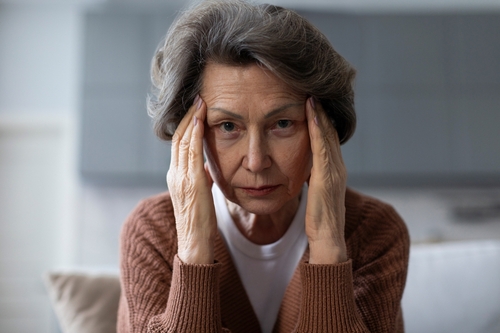
If you’ve noticed your loved one withdrawing, exhibiting unexplained personality changes, or showing signs of emotional distress in their nursing home, you’re witnessing what could be psychological abuse – a form of mistreatment that accounts for approximately one-third of all nursing home abuse cases. While physical injuries leave visible marks, psychological abuse creates invisible wounds that can be just as devastating. According to the National Center on Elder Abuse, 44 percent of nursing home residents reported experiencing abuse, with psychological and verbal abuse representing one of the most common forms. This silent crisis affects thousands of vulnerable residents who depend on care facilities for their daily needs, yet face verbal attacks, threats, humiliation, and isolation from caregivers who should be protecting them.
? Pro Tip: Document any behavioral changes in your loved one immediately – sudden withdrawal, fear of specific staff members, or unexplained anxiety can all be signs of psychological abuse that need immediate attention.
If you’re facing the heartbreak of psychological abuse in a nursing home, MSW Law Group is here to help you find justice and peace of mind. Don’t hesitate to reach out and shield your loved ones from further harm. Ready to take action? Give us a call at 215-910-4232 or contact us today for a consultation.
Pennsylvania law recognizes psychological abuse as a serious form of elder mistreatment that gives victims and their families the right to pursue legal action. Federal regulations specifically define abuse to include “verbal abuse, sexual abuse, physical abuse, and mental abuse including abuse facilitated or enabled through the use of technology.” When psychological abuse occurs, you can file a nursing home abuse lawsuit guide against multiple parties including direct caregivers, the nursing facility itself, and supervisory staff who failed to prevent the abuse. A nursing home abuse lawyer in Philadelphia can help you understand that facilities have a legal duty to protect residents from all forms of harm, including emotional and psychological damage.
The reality is that patient care workers are often undertrained, underpaid, and overworked – conditions that contribute to the widespread nature of psychological abuse in nursing homes. This systemic problem means facilities may be liable for creating environments where abuse can flourish. Your loved one has the right to dignity, respect, and freedom from verbal attacks or emotional manipulation. When these rights are violated, Pennsylvania law provides pathways for holding responsible parties accountable through civil litigation.
? Pro Tip: Pennsylvania’s Adult Protective Services hotline (1-800-490-8505) is available 24/7 for reporting suspected abuse – reporters can remain anonymous and have legal protection from retaliation.
Understanding the timeline for pursuing a psychological abuse case helps families prepare for what lies ahead. Unlike physical abuse cases where injuries are immediately visible, psychological abuse cases require careful documentation and often involve a longer discovery process. The journey typically begins when family members notice warning signs – memory loss, personality changes, or social isolation that seems out of character. Working with a nursing home abuse lawyer in Philadelphia ensures you meet all crucial deadlines while building the strongest possible case for your loved one.
? Pro Tip: Pennsylvania’s statute of limitations for nursing home abuse cases is typically two years, but psychological abuse can be ongoing – document each incident with dates and details to strengthen your timeline.
Victims of psychological abuse in nursing homes deserve justice and compensation for their suffering. A successful lawsuit can result in compensatory damages designed to address both the emotional trauma and any resulting medical treatment needed for conditions like depression, anxiety, or other psychological impacts. When working with a nursing home abuse lawyer in Philadelphia from MSW Law Group, you’ll have advocates who understand the unique challenges of proving psychological abuse and the importance of holding facilities accountable for creating safe environments. The resolution process involves not just seeking financial compensation but also pushing for systemic changes that protect current and future residents.
Beyond individual compensation, successful psychological abuse cases often lead to improved facility policies, better staff training, and increased oversight. Your case could help prevent other vulnerable residents from experiencing similar mistreatment. The nursing home elder abuse lawsuits process allows families to demand transparency about staffing levels, training procedures, and complaint histories that facilities often try to keep hidden.
? Pro Tip: Request a copy of your loved one’s care plan and all incident reports – facilities are required to maintain these records, and they often contain crucial evidence of pattern behavior or systemic problems.
Psychological abuse leaves no bruises or broken bones, making it particularly insidious and difficult to detect. Understanding the subtle signs can mean the difference between early intervention and prolonged suffering. Residents experiencing psychological abuse often exhibit behavioral changes that family members might initially attribute to aging or medical conditions. A nursing home abuse lawyer in Philadelphia regularly sees cases where families wish they had recognized the warning signs sooner.
Watch for sudden changes in your loved one’s demeanor, especially around specific staff members. A normally talkative resident who becomes withdrawn, refuses to make eye contact, or shows signs of fear when certain caregivers enter the room may be experiencing verbal threats or intimidation. Other warning signs include unexplained crying spells, requests not to be left alone with particular staff, or apologizing excessively for things that aren’t their fault. The psychological impact can manifest physically too – residents may develop sleep disturbances, lose their appetite, or experience panic attacks that seem to come from nowhere.
? Pro Tip: Create a communication log noting each visit’s observations – seemingly small details like “Mom flinched when the aide raised her voice” can establish patterns of psychological abuse over time.
The effects of psychological abuse extend far beyond hurt feelings. Research shows that verbal and emotional abuse can accelerate cognitive decline, worsen existing medical conditions, and significantly decrease quality of life. Victims often develop post-traumatic stress symptoms, including nightmares, flashbacks, and severe anxiety. For residents already dealing with dementia or other cognitive impairments, psychological abuse can cause rapid deterioration in their ability to communicate or care for themselves.
The trauma from psychological abuse doesn’t end when the abuse stops. Many victims require extensive counseling and psychiatric care to address depression, anxiety disorders, and trust issues that develop from being mistreated by caregivers. Some residents become so traumatized they refuse necessary medical care or resist moving to safer facilities. Families working with a nursing home abuse lawyer in Philadelphia often discover their loved ones have been suffering in silence for months or even years, leading to complex mental health challenges that require professional intervention. The financial burden of treating these psychological injuries can be substantial, making legal action essential for securing the resources needed for proper care.
? Pro Tip: Request a psychological evaluation from an independent geriatric psychiatrist if you suspect abuse – their professional assessment can provide crucial evidence for your case and help develop a treatment plan.
Families facing the reality of nursing home psychological abuse often have numerous questions about their rights and the legal process. These concerns range from how to prove invisible wounds to understanding who can be held accountable for emotional trauma.
? Pro Tip: Write down all your questions before meeting with an attorney – psychological abuse cases involve unique challenges that experienced lawyers can help you navigate effectively.
The legal process for psychological abuse cases requires careful documentation and strategic planning. Understanding what to expect helps families make informed decisions about pursuing justice while ensuring their loved one receives immediate protection from further harm.
? Pro Tip: Don’t wait for “proof” to take action – if your instincts tell you something is wrong, trust them and seek legal guidance immediately to protect your loved one.
Psychological abuse can be proven through various forms of evidence including documented behavioral changes, witness testimonies from other residents or visitors, medical records showing treatment for depression or anxiety, and staff complaints or incident reports. Keeping a detailed diary of your observations, recording conversations when legally permitted, and obtaining statements from other family members who’ve noticed changes all help build a strong case. A nursing home psychological abuse attorney philadelphia can help gather additional evidence like staffing records and training documentation.
Yes, you can pursue legal action even if your loved one cannot testify due to cognitive impairments. Pennsylvania law allows family members or legal guardians to file nursing home abuse lawsuits on behalf of incompetent residents. Evidence from medical professionals, behavioral documentation, witness statements, and facility records can establish abuse patterns without requiring victim testimony. Courts understand that perpetrators often target residents with dementia precisely because they cannot report abuse.
Victims of psychological abuse can receive compensatory damages covering medical expenses for mental health treatment, pain and suffering, loss of quality of life, and sometimes punitive damages when abuse is particularly egregious. Pennsylvania nursing home abuse compensation may include costs for psychiatric care, counseling, medications for abuse-related conditions, and alternative care arrangements. The amount depends on the severity and duration of abuse and its impact on the resident’s well-being.
Pennsylvania generally allows two years from when the abuse was discovered or should have been discovered to file a lawsuit. However, psychological abuse often involves ongoing patterns of behavior, so the timeline can be complex. Some cases may have shorter deadlines if they involve governmental facilities. Consulting with nursing home abuse legal help philadelphia immediately ensures you don’t miss critical filing deadlines while focusing on your loved one’s immediate safety.
Facilities often deny psychological abuse claims or blame resident behavior on medical conditions. Document everything, including the facility’s responses, and don’t accept their explanations without investigation. Remove your loved one from immediate danger if necessary, report to Pennsylvania’s Adult Protective Services (1-800-490-8505), and contact an attorney experienced in philadelphia nursing home abuse litigation who can conduct an independent investigation and protect your loved one’s rights.
When psychological abuse shatters your loved one’s dignity and well-being, you need legal advocates who understand both the emotional toll and complex legal landscape of elder abuse cases. Pursuing justice for psychological abuse requires attorneys who can effectively document invisible wounds, navigate Pennsylvania’s specific elder care regulations, and hold powerful healthcare corporations accountable. The right legal team will not only fight for compensation but also work to ensure your loved one’s voice is heard and their suffering acknowledged. Take the first step toward justice by consulting with attorneys who have dedicated their practice to protecting vulnerable nursing home residents and supporting families through these difficult times.
If your loved one is facing the distress of psychological abuse in a nursing home, MSW Law Group stands ready to support you in seeking justice. Take the first step toward peace of mind by calling 215-910-4232 or contact us today for a consultation.

This page has been written, edited, and reviewed by a team of legal writers following our comprehensive editorial guidelines. This page was approved by our team of attorneys, who have more than 50 years of combined legal experience in helping victims of nursing home abuse.

When families place a loved one in a nursing home, they trust the facility to protect far more than physical health. Financial abuse in...

Finding Trustworthy Care Through Federal Ratings When your loved one needs nursing home care, choosing the right facility can feel overwhelming. For many families,...

Finding Safe, Quality Nursing Home Care for Your Loved One When your elderly parent can no longer live independently, finding a quality nursing home...
Need legal advice? Our experienced attorneys are here to help. Reach out today for a confidential consultation tailored to your needs.

100 Front Street Suite 1230
West Conshohocken, PA 19428
Phone: 215-515-0741
Fax: (610) 467-2881
 Message Us
  Call Us