
free consultation
free consultation
Posted June 24, 2026 - by MSW Law Group
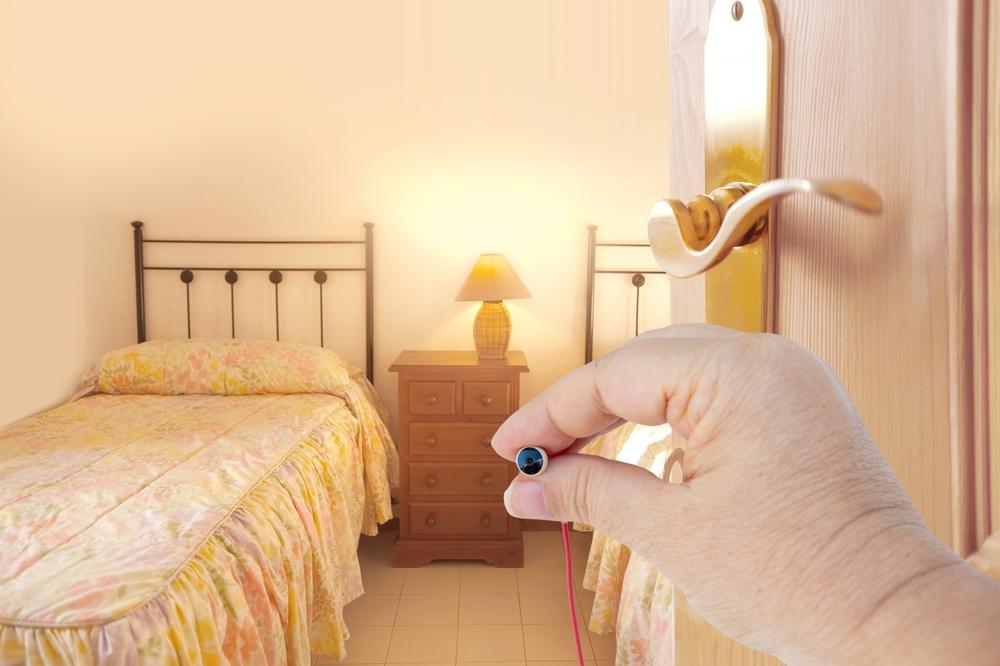
Families monitoring a loved one’s nursing home care often ask: Can you put a camera in a nursing home room to observe what happens between visits? Pennsylvania does not explicitly prohibit this practice, commonly called a “granny cam,” and many families use video-only devices to document care and identify neglect. A video-only device is strongly recommended to avoid triggering the state’s wiretapping statute, and notifying the facility while following consent requirements protects the footage’s legal value. When a camera captures evidence of abuse or neglect, at Murray, Stone & Wilson, PLLC | Nursing Home Abuse Attorneys our Pennsylvania nursing home abuse lawyer helps Pennsylvania families understand their legal options and pursue accountability.
Don’t wait if something feels wrong. Our legal team can review your situation, explain your options, and help you take immediate action to protect your family.
Surveillance is the observation of another person to gather evidence, taking two primary forms: electronic and fixed. Electronic surveillance includes wiretapping, audio recording, and videotaping, while fixed surveillance involves stationary monitoring through a camera or similar device. In nursing home settings, a room-mounted camera falls within fixed electronic surveillance. Understanding that distinction matters because different legal standards govern devices that record audio versus those that capture video only.
Families cannot be present around the clock, and a camera provides a continuous, objective record of care. Key benefits include:
When footage reveals a consistent pattern of neglect, it can capture the same warning signs families are often the first to notice, becoming central evidence in a legal claim and significantly strengthening the case for compensation.
Pennsylvania has no dedicated “granny cam” statute outlining specific disclosure obligations for nursing facilities. Nursing homes generally maintain their own internal surveillance policies, and families have the right to ask administration about those policies before installing any device. Requesting the facility’s written policy, confirming whether advance notice is required, and asking about door signage expectations all help establish transparency. Taking these steps also protects the footage’s admissibility if the recording is ever used in a legal proceeding.
free consultation
Several legal factors apply before placing a camera in a nursing home room.
Audio recording is restricted. Pennsylvania is a two-party consent state. Under 18 Pa. C.S. § 5703, intentionally intercepting any oral or electronic communication without all-party consent is unlawful. Recording nursing home staff without their knowledge violates this statute, making a video-only device the legally sound choice.
Roommate consent is required. In shared rooms, the roommate or their legal representative must consent before any camera is installed. Recording a roommate without consent creates legal exposure that could undermine any future claim involving the footage.
Families cover the cost. Purchasing, installing, and maintaining the camera is the resident’s or family’s expense. Facilities have no obligation to fund surveillance equipment.
Notify the facility. Informing administration before installation creates a clear record of notice and reduces the risk of a later dispute over the camera’s presence.
A camera may confirm what a family already suspects, but footage alone does not resolve a nursing home abuse case. Contact a Pennsylvania nursing home abuse lawyer promptly if the camera captures evidence of physical harm, neglect, or verbal abuse. The same urgency applies when a loved one develops unexplained injuries, pressure wounds, significant weight loss, or sudden behavioral changes, even without recorded footage. These signs often point to systemic failures, and early legal involvement helps preserve medical records and witness accounts before critical evidence becomes difficult to obtain.
Camera footage that documents abuse or neglect deserves serious legal attention. Murray, Stone & Wilson, PLLC | Nursing Home Abuse Attorneys helps Pennsylvania families evaluate evidence and pursue accountability against facilities that harm vulnerable residents. If you are asking can you put a camera in a nursing home room because you already have concerns about your loved one’s care, do not wait. Contact us for a free consultation and take the first step toward protecting your loved one’s rights.
William P. Murray, III is a Tampa-based Shareholder with over 15 years of experience representing victims of nursing home abuse, corporate fraud, trucking accidents, and catastrophic injuries. He earned his Juris Doctor from American University’s Washington College of Law, where he received the Mooers’ Trophy for excellence in trial practice, and has served as both a trial lawyer and managing attorney at a national firm before co-founding Murray, Stone & Wilson, PLLC. Recognized as a Super Lawyers Rising Star in Pennsylvania and Florida.
Speak with an experienced attorney about your case today.

This page has been written, edited, and reviewed by a team of legal writers following our comprehensive editorial guidelines. This page was approved by our team of attorneys, who have more than 50 years of combined legal experience in helping victims of nursing home abuse.

Key Takeaways More than 40 percent of nursing home residents nationwide live with a dementia diagnosis, per the latest federal data. Memory and thinking...
Key Takeaways Negligence arises when care lapses lead to harm and fall below accepted standards. A claim requires proof of duty, breach, causation, and...

Key Takeaways Physical abuse in nursing homes involves intentional force by staff, visitors, or other residents that causes injury or pain. Warning signs include...
Need legal advice? Our experienced attorneys are here to help. Reach out today for a confidential consultation tailored to your needs.

100 Front Street Suite 1230
West Conshohocken, PA 19428
Phone: 215-515-0741
Fax: (610) 467-2881
 Call us at 215-947-5300
 Message Us
  Call Us