
free consultation
free consultation
Posted June 17, 2026 - by MSW Law Group
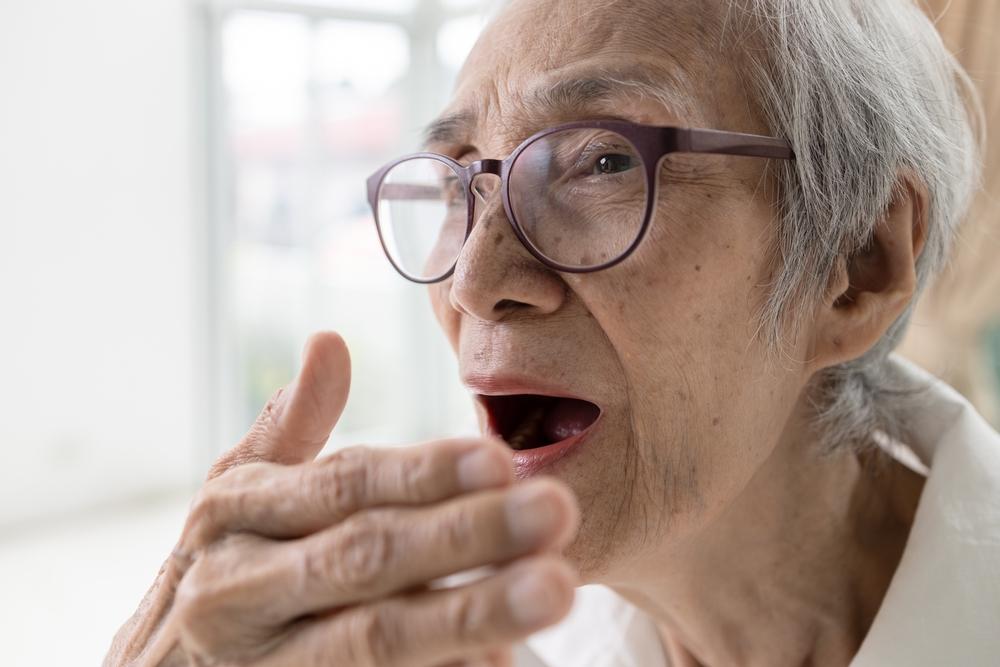
Poor hygiene in elderly Pennsylvania nursing home residents often results from neglect or chronic understaffing rather than the natural course of aging. When facilities fail to assist with bathing, oral care, repositioning, and toileting, the consequences of poor hygiene in the elderly escalate quickly, producing skin infections, pressure ulcers, urinary tract infections, sepsis, and serious psychological harm. Legal recourse is available for Pennsylvania families whose loved ones have suffered as a result. Murray, Stone & Wilson, PLLC | Nursing Home Abuse Attorneys represents families across Pennsylvania when nursing home neglect causes preventable harm. If your loved one’s condition raises concerns, speaking with a Pennsylvania nursing home abuse lawyer can clarify your options.
Don’t wait if something feels wrong. Our legal team can review your situation, explain your options, and help you take immediate action to protect your family.
Older adults in nursing homes often rely entirely on staff for daily hygiene assistance. Reduced mobility, cognitive decline, and chronic illness make self-care difficult or impossible without consistent support. When that support fails, skin breaks down, infections take hold, and dignity erodes in ways that compound over time. Hygiene is not a comfort measure for this population; it is a clinical necessity tied directly to infection prevention, wound management, and overall health stability.
The physical consequences of neglected hygiene are specific, serious, and frequently preventable.
When residents go unbathed, bacteria and fungi accumulate on the skin. Rashes, fungal infections, and open sores develop in areas prone to moisture and friction. Because bathing frequency directly affects skin health, families often ask how often nursing homes bathe patients and whether a facility is meeting that basic standard of care.
Soiled bedding combined with infrequent repositioning accelerates skin breakdown. According to MedlinePlus, pressure sores form where bones are close to the skin, including the ankles, heels, hips, and sacrum, and can progress to life-threatening infections. Residents who are bedridden or use wheelchairs carry the highest risk when staff neglects repositioning protocols.
Neglected oral care allows plaque to advance into gum disease, tooth decay, and tooth loss. Oral bacteria have also been linked to pneumonia and cardiovascular complications, creating compounding risks for residents already managing multiple health conditions.
Inadequate toileting assistance leads directly to urinary tract infections, one of the most common preventable conditions in long-term care. Poor wound hygiene and contaminated bedding introduce bacteria into skin breaks, and residents with compromised immune systems struggle to recover without prompt intervention. Families should also watch for signs of dehydration, which often accompany these infections when basic care is neglected.
Septicemia occurs when a localized infection enters the bloodstream, triggering a systemic response. Untreated wounds, skin breakdowns, and UTIs can progress to sepsis within days. The condition requires emergency care and carries significant mortality risk in elderly individuals.
Soiled clothing, wet floors, and physical weakness from untreated infections all contribute to fall hazards. Falls in this population produce serious consequences, including hip fractures, traumatic brain injuries, and in some cases, death.
free consultation
The psychological damage of hygiene neglect runs alongside the physical harm. Residents left unbathed or in soiled clothing experience profound violations of dignity. Shame and embarrassment develop, particularly for once independent individuals. Over time, this distress manifests as anxiety and depression, and in dementia patients, as heightened agitation and behavioral disruption. The emotional consequences of poor hygiene in the elderly are not secondary concerns; they reflect how completely a person’s sense of self erodes when basic care is withheld.
Persistent odor, unkempt appearance, and visible skin conditions cause residents to withdraw from shared meals, group activities, and family visits. Families who notice a sudden reluctance to interact may be observing a symptom of neglect rather than a change in the resident’s preferences. That withdrawal also reduces the informal oversight that family presence provides, leaving residents with fewer people positioned to notice and report ongoing problems.
Pennsylvania places a clear obligation on nursing facilities to maintain sanitary conditions and provide hygiene assistance. The Pennsylvania Department of Health requires facilities to ensure a sanitary, orderly, and comfortable environment through satisfactory housekeeping and maintenance. Failure to meet this standard is evidence of neglect. Families who observe unwashed hair, unchanged clothing, or visible skin breakdown should contact the Pennsylvania Department of Aging to file a formal complaint and begin building an official record.
When the consequences of poor hygiene in the elderly trace back to a facility’s failure to provide required care, Pennsylvania families have the right to pursue accountability. Murray, Stone & Wilson, PLLC | Nursing Home Abuse Attorneys helps families investigate neglect, evaluate evidence, and pursue the compensation their loved ones deserve. Contact us for a free consultation with a Pennsylvania nursing home abuse lawyer.
Mr. Stone earned his B.A. from the University of Pennsylvania and his J.D. from Rutgers–Camden School of Law, and clerked for the Honorable Eduardo C. Robreno in the U.S. District Court for the Eastern District of Pennsylvania. He later represented victims of elder abuse and neglect at a national plaintiff’s firm before co-founding Murray, Stone & Wilson, PLLC. In 2018, he secured what is believed to be the highest sexual abuse nursing home verdict in Pennsylvania history and was named a Super Lawyers Rising Star.
Contact us today to speak with an attorney who fights for victims of abuse and neglect.

This page has been written, edited, and reviewed by a team of legal writers following our comprehensive editorial guidelines. This page was approved by our team of attorneys, who have more than 50 years of combined legal experience in helping victims of nursing home abuse.
Key Takeaways Most nursing home falls happen during day and evening shifts, peaking between 4:00 PM and 8:00 PM. Nearly two-thirds of falls happen...

Key Takeaways Neglect includes bed sores, severe weight loss, untreated infections, and repeated falls without staff correction. Pennsylvania’s statute of limitations restricts how long...
Murray Stone Wilson | Nursing Home Abuse Attorneys works with Philadelphia families who notice a parent or grandparent growing withdrawn, anxious, or fearful around...
Need legal advice? Our experienced attorneys are here to help. Reach out today for a confidential consultation tailored to your needs.

100 Front Street Suite 1230
West Conshohocken, PA 19428
Phone: 215-515-0741
Fax: (610) 467-2881
 Call us at 215-947-5300
 Message Us
  Call Us