
free consultation
free consultation
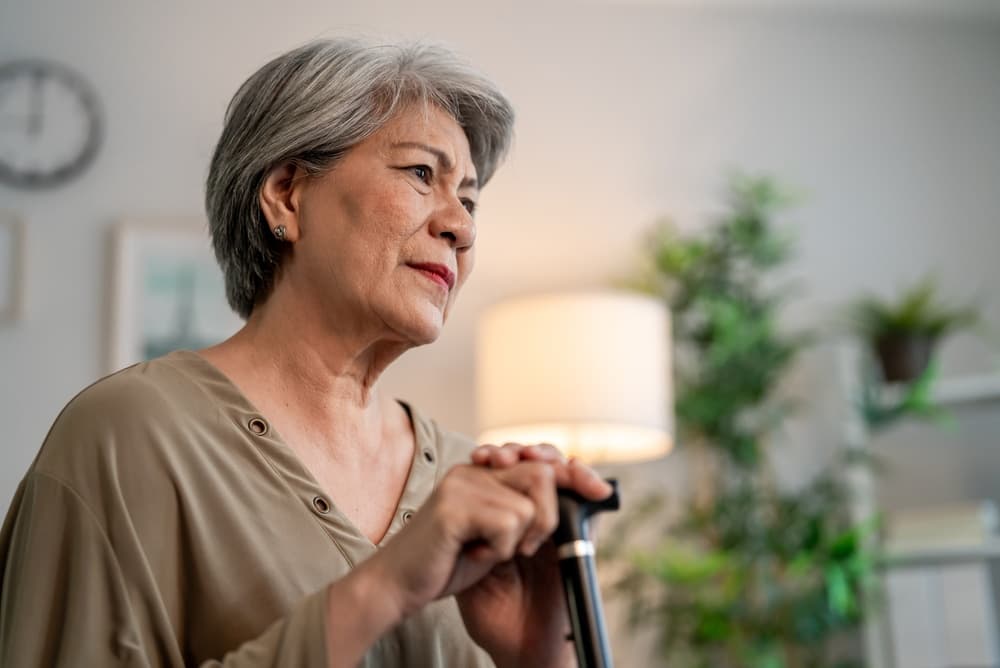
Murray Stone Wilson | Nursing Home Abuse Attorneys works with Philadelphia families who notice a parent or grandparent growing withdrawn, anxious, or fearful around a particular caregiver, warning signs that often point to emotional abuse in nursing homes. Emotional abuse in Philadelphia nursing homes, including verbal harassment, intimidation, and social isolation, causes serious psychological harm and often stems from chronic understaffing.
Pennsylvania law gives families options to report abuse and pursue legal action when a facility’s conduct crosses that line. Recognizing the signs early is often the first step toward protecting a loved one. A Philadelphia nursing home abuse lawyer can confirm that this kind of abuse is just as serious as physical neglect, even though it leaves no visible mark.
Don’t wait if something feels wrong. Our legal team can review your situation, explain your options, and help you take immediate action to protect your family.
Emotional elder abuse means hurting a resident’s mental and emotional well-being instead of their body. It can look like yelling at a resident, humiliating them in front of others, threatening them, or cutting them off from other people on purpose. Residents often depend on staff for basic things like eating, bathing, and getting around, so even a cold remark or a slammed door can leave someone feeling truly scared.
Warning signs of emotional abuse include:
Because this mistreatment leaves no physical evidence, families should watch closely for shifts in mood or routine that have no clear medical explanation. A resident who once looked forward to family time or activities may suddenly refuse to participate, avoid eye contact, or seem fearful the moment a particular caregiver enters the room. Staff who deny access to loved ones, limit phone privileges, or refuse to let a resident speak privately are showing a pattern that families should not ignore.
Some residents face a bigger risk than others. A resident with dementia or Alzheimer’s may not be able to tell anyone what happened, or may not remember it clearly enough to explain. A resident who rarely gets visitors is also at greater risk, since no one from outside the facility is checking in on them. And when a facility churns through staff or skips proper training, newer workers are less likely to notice when ordinary frustration crosses the line into abuse.
If a family suspects emotional abuse in nursing homes, they should not wait to act. Call 911 right away if a resident is in immediate danger. For other concerns, Pennsylvania runs a helpline through the Department of Aging that takes calls day and night about any older adult in a care facility.
We also tell Philadelphia families to contact the Philadelphia Corporation for Aging, which can send someone independent to look into how a facility treats its residents. Reporting what a family has noticed puts it on record, and that record can matter a lot if a legal claim follows.
free consultation
Pennsylvania law does not require a bruise or a broken bone to bring a claim. Under Section 103 of the Older Adults Protective Services Act, hurting an older adult through intimidation or punishment counts as abuse if it causes serious emotional pain, not just physical harm. That means a family has real legal options when a facility’s actions leave lasting emotional scars, not just physical ones. We help families sue a facility or caregiver over this kind of harm, including under a claim called intentional infliction of emotional distress, which covers severe emotional pain caused by someone else’s actions. Pennsylvania generally gives families two years from the time they discover the harm to file this kind of claim, so it pays to act quickly. To build the case, our team gathers care records, staffing records, and accounts from witnesses that tie the facility’s failures to what happened to the resident.
Emotional abuse in nursing homes causes real harm, even without a bruise or broken bone to point to. Murray Stone Wilson | Nursing Home Abuse Attorneys looks into suspected mistreatment and gathers the evidence needed to hold a facility accountable when it fails to protect residents. If you suspect a loved one is being abused, call (215) 947-5300 to speak with a Philadelphia nursing home abuse lawyer about a free consultation. Acting early can help preserve evidence and protect your loved one’s rights.
Mr. Stone earned his B.A. from the University of Pennsylvania and his J.D. from Rutgers–Camden School of Law, and clerked for the Honorable Eduardo C. Robreno in the U.S. District Court for the Eastern District of Pennsylvania. He later represented victims of elder abuse and neglect at a national plaintiff’s firm before co-founding Murray, Stone & Wilson, PLLC. In 2018, he secured what is believed to be the highest sexual abuse nursing home verdict in Pennsylvania history and was named a Super Lawyers Rising Star.
Contact us today to speak with an attorney who fights for victims of abuse and neglect.

This page has been written, edited, and reviewed by a team of legal writers following our comprehensive editorial guidelines. This page was approved by our team of attorneys, who have more than 50 years of combined legal experience in helping victims of nursing home abuse.

Key Takeaways Physical abuse in nursing homes involves intentional force by staff, visitors, or other residents that causes injury or pain. Warning signs include...
Key Takeaways Most nursing home falls happen during day and evening shifts, peaking between 4:00 PM and 8:00 PM. Nearly two-thirds of falls happen...

Key Takeaways Neglect includes bed sores, severe weight loss, untreated infections, and repeated falls without staff correction. Pennsylvania’s statute of limitations restricts how long...
Need legal advice? Our experienced attorneys are here to help. Reach out today for a confidential consultation tailored to your needs.

100 Front Street Suite 1230
West Conshohocken, PA 19428
Phone: 215-515-0741
Fax: (610) 467-2881
 Call us at 215-947-5300
 Message Us
  Call Us