
free consultation
free consultation
Posted October 2, 2026 - by MSW Law Group
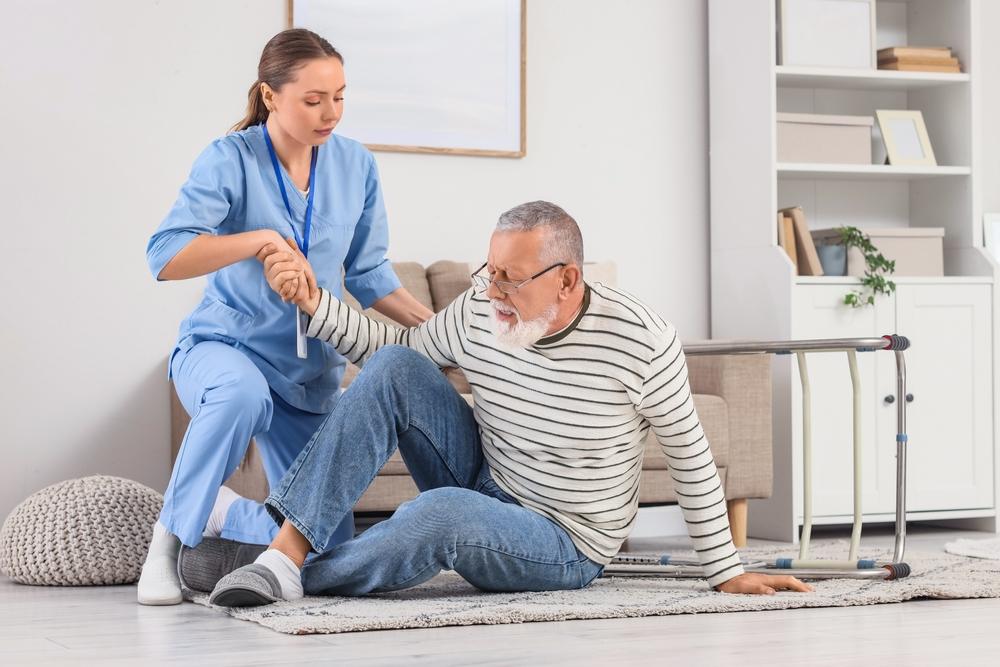
The Agency for Healthcare Research and Quality reports that roughly half of all nursing home residents fall each year, and about one in three who fall will fall again. Families asking “When do most falls occur in nursing homes?” Deserve a clear picture of whether their loved one’s facility took reasonable precautions or failed them.
Murray Stone Wilson | Nursing Home Abuse Attorneys represents Pittsburgh families when a fall points to understaffing, inadequate supervision, or disregarded care plans. If your loved one was injured, a Pittsburgh nursing home abuse lawyer can help evaluate whether the facility met its legal obligations.
Don’t wait if something feels wrong. Our legal team can review your situation, explain your options, and help you take immediate action to protect your family.
Falls in Pittsburgh nursing homes cluster around specific windows rather than happening at random.
Location and cause carry equal weight in understanding why these incidents happen.
free consultation
When do most falls occur in nursing homes? It is a valid question, but this is not just about a time or place; this can be related to neglect too. One in ten residents who fall sustains a significant injury, and roughly 65,000 nursing home residents suffer a hip fracture from a fall each year.
Facilities that disable bed or chair alarms, fail to respond to call bells, or leave high-risk residents unmonitored create conditions where falls are not accidents; they are foreseeable consequences of neglect.
Pennsylvania law requires nursing homes to assess each resident’s fall risk at admission and update the assessment whenever the resident’s condition changes. That assessment must drive a written care plan that addresses the resident’s specific risks, whether balance problems, medications that cause dizziness, or a history of falls.
Bed and chair alarms, adequate staffing, and timely call bell responses are baseline expectations, not optional measures. A nursing home that ignores these obligations and a resident is hurt as a result may face a legal claim under Pennsylvania law.
Falls that cause fractures, head trauma, or death deserve serious legal scrutiny. Murray Stone Wilson | Nursing Home Abuse Attorneys helps Pittsburgh families determine whether a facility’s failures contributed to a loved one’s injury and what legal options Pennsylvania law provides.
Call (412) 516-6000 today for a free consultation with a Pittsburgh nursing home abuse lawyer and take the first step toward holding the responsible facility accountable.
William P. Murray, III is a Tampa-based Shareholder with over 15 years of experience representing victims of nursing home abuse, corporate fraud, trucking accidents, and catastrophic injuries. He earned his Juris Doctor from American University’s Washington College of Law, where he received the Mooers’ Trophy for excellence in trial practice, and has served as both a trial lawyer and managing attorney at a national firm before co-founding Murray, Stone & Wilson, PLLC. Recognized as a Super Lawyers Rising Star in Pennsylvania and Florida.
Speak with an experienced attorney about your case today.

This page has been written, edited, and reviewed by a team of legal writers following our comprehensive editorial guidelines. This page was approved by our team of attorneys, who have more than 50 years of combined legal experience in helping victims of nursing home abuse.

Key Takeaways More than 40 percent of nursing home residents nationwide live with a dementia diagnosis, per the latest federal data. Memory and thinking...
Key Takeaways Negligence arises when care lapses lead to harm and fall below accepted standards. A claim requires proof of duty, breach, causation, and...

Key Takeaways Physical abuse in nursing homes involves intentional force by staff, visitors, or other residents that causes injury or pain. Warning signs include...
Need legal advice? Our experienced attorneys are here to help. Reach out today for a confidential consultation tailored to your needs.

100 Front Street Suite 1230
West Conshohocken, PA 19428
Phone: 215-515-0741
Fax: (610) 467-2881
 Call us at 215-947-5300
 Message Us
  Call Us