
free consultation
free consultation
Posted August 24, 2023 - by MSW Law Group
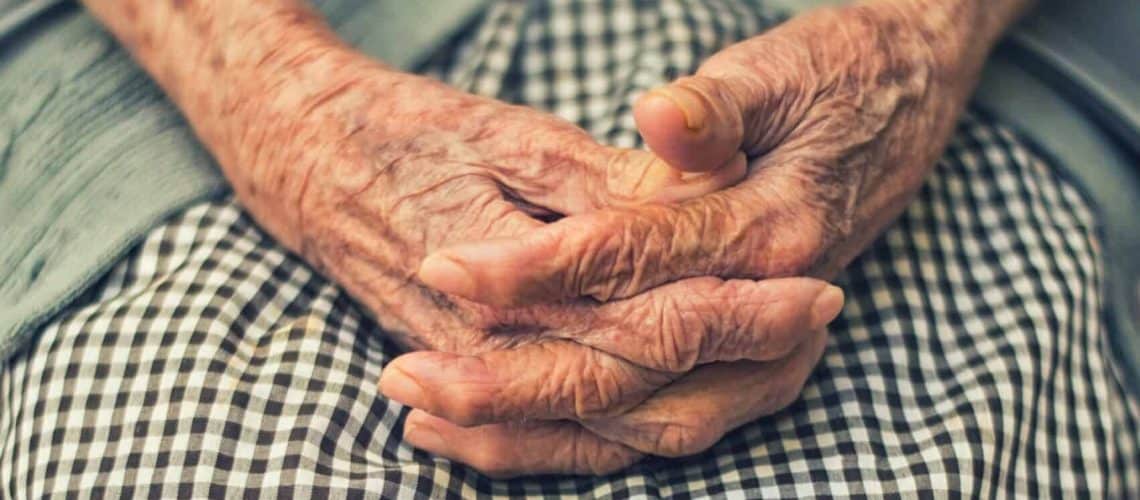
Our elderly loved ones deserve to live their twilight years with dignity, respect, and quality care. However, the growing issue of abuse and neglect in nursing homes and assisted living facilities has increasingly become a grave concern. Incidents of physical, emotional, and financial abuse often go unreported, as residents might feel too scared to speak out or may not understand their rights. These harmful actions not only threaten the physical and emotional well-being of our elderly loved ones, but they also violate their fundamental rights.
In this blog post, we will break down the complex issue of nursing home abuse and neglect. We aim to outline the signs and symptoms of abuse, discuss the rights of nursing home residents, and provide useful information on how you can take legal action if your loved one becomes a victim. Knowledge is the first line of defense in fighting against nursing home abuse and bringing justice to those affected.
Nursing home abuse and neglect can manifest in various forms, ranging from physical abuse and emotional bullying to subtle neglect often disguised as standard care. It’s crucial to familiarize oneself with these forms and stay vigilant for any signs that may indicate malpractice or intentional harm. Continued vigilance and prompt action are our best defenses against these atrocities, holding the perpetrators accountable while safeguarding the rights and well-being of our loved ones.
It is essential to understand that nursing home residents have certain rights protected under the law, including the right to safe and respectful care, the right to privacy, and the right to make complaints without facing retaliation. If these rights are violated, residents or their families can take legal action against the offending nursing home or staff.
Combating nursing home abuse and neglect is a shared responsibility, demanding action from individuals, families, and legal professionals alike. By shedding light on this issue, we aim to create a safer and more compassionate living environment for our loved ones, where they are respected, cared for, and protected.
Abuse and neglect in nursing homes can take on numerous forms, making it essential to understand the most common types to effectively identify and address the issue. These categories include:
To protect our loved ones from nursing home abuse and neglect, it is crucial to be aware of potential warning signs. Though every situation is unique, the following are some common indicators that may warrant further investigation:
Keep in mind that these signs and symptoms are not exhaustive, and it’s essential to trust your instincts when something doesn’t seem right.
Nursing home residents have legal rights that protect them from abuse and neglect. Some of the fundamental rights include:
If you suspect that your loved one’s rights have been violated, it is crucial to take prompt action, report your concerns, and seek legal assistance if necessary.
In cases of nursing home abuse and neglect, legal action may be necessary to hold the responsible parties accountable and seek compensation for the victim. The following steps can help guide you in this process:
Understanding and addressing nursing home abuse and neglect is a collective responsibility that demands the vigilance and action of families, caregivers, and legal professionals. By staying informed, recognizing the warning signs, and consulting experienced Philadelphia nursing home abuse attorneys at Murray, Stone & Wilson, we can work together to create a world where our elderly loved ones are respected, cared for, and protected. We must prioritize their well-being and ensure that they can enjoy their twilight years in a nurturing and compassionate environment. With education and perseverance, we can make significant strides towards improving the lives of nursing home residents and holding the perpetrators of abuse and neglect accountable for their actions.

This page has been written, edited, and reviewed by a team of legal writers following our comprehensive editorial guidelines. This page was approved by our team of attorneys, who have more than 50 years of combined legal experience in helping victims of nursing home abuse.

When families place a loved one in a nursing home, they trust the facility to protect far more than physical health. Financial abuse in...

Finding Trustworthy Care Through Federal Ratings When your loved one needs nursing home care, choosing the right facility can feel overwhelming. For many families,...

Finding Safe, Quality Nursing Home Care for Your Loved One When your elderly parent can no longer live independently, finding a quality nursing home...
Need legal advice? Our experienced attorneys are here to help. Reach out today for a confidential consultation tailored to your needs.

100 Front Street Suite 1230
West Conshohocken, PA 19428
Phone: 215-515-0741
Fax: (610) 467-2881
 Message Us
  Call Us