
free consultation
free consultation
Posted April 14, 2023 - by MSW Law Group
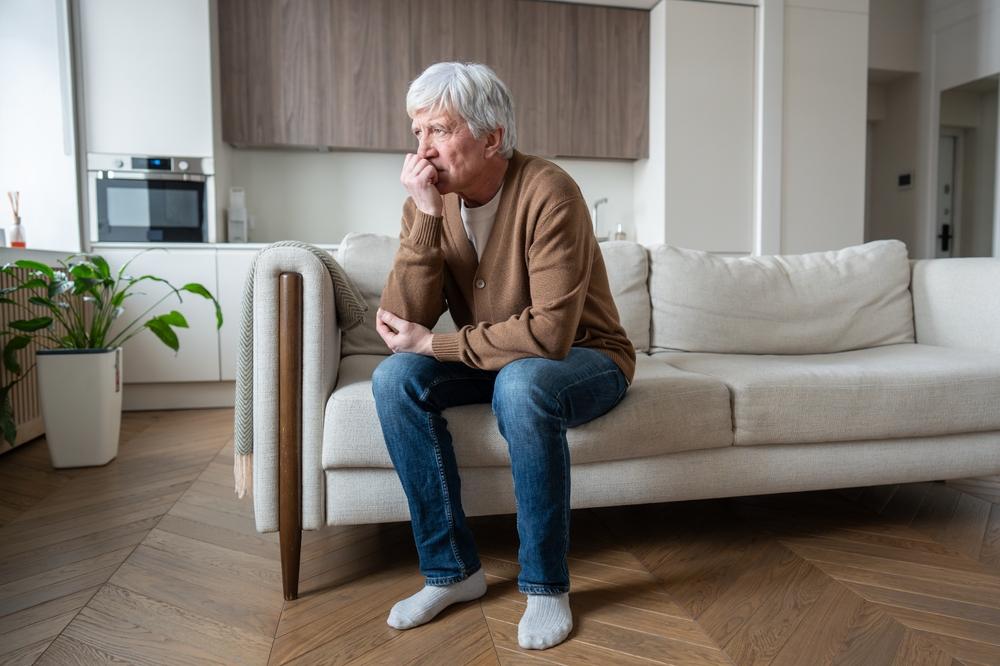
Nursing homes are meant to be places where older adults can receive the care they need as they age. Unfortunately, not all nursing homes provide the level of care that they should, and some residents experience abuse and neglect.
Elder abuse in nursing homes can take many forms, and it’s important to recognize the signs so that action can be taken to protect vulnerable individuals. In this article, we’ll discuss the different forms of abuse and neglect that can occur in nursing homes.
Physical abuse in nursing homes refers to any intentional use of force against a resident that causes injury or pain. This can include hitting, slapping, pushing, or restraining a resident inappropriately. Signs of physical abuse can include unexplained bruises, cuts, or injuries, as well as broken bones or other serious injuries.
Emotional abuse is any behavior that causes emotional distress to a resident. This can include verbal abuse, such as yelling or insulting a resident, as well as more subtle forms of emotional manipulation, such as isolating a resident from their friends and family. Signs of emotional abuse can include depression, anxiety, withdrawal, and changes in behavior.
Sexual abuse in nursing homes occurs when a resident is subjected to unwanted sexual contact, such as touching or groping. Signs of sexual abuse can include unexplained bruises or injuries in the genital area, as well as changes in behavior or mood.
Neglect in nursing homes occurs when a resident’s basic needs are not being met. This can include failure to provide food or water, adequate shelter, or medical care. Signs of neglect can include malnutrition, dehydration, untreated medical conditions, and poor hygiene.
Financial exploitation in nursing homes occurs when a resident’s funds or property are misused or stolen. This can include stealing cash or valuables from a resident’s room, forging their signature on checks or other documents, or manipulating them into giving away their money or property.
Signs of financial exploitation can include unexplained withdrawals from a resident’s bank account, missing cash or valuables, and sudden changes in their financial situation.
Abuse of power in nursing homes occurs when staff members use their position of authority to mistreat residents. This can include refusing to provide care or medication, threatening a resident with punishment, or isolating them from other residents or their families.
Signs of abuse of power can include changes in behavior, fear of staff members, and reluctance to speak out about mistreatment.
Preventing abuse and neglect in nursing homes requires a multi-faceted approach. First and foremost, it’s important to recognize the signs of abuse and neglect and take action if you suspect that a resident is being mistreated. This can involve reporting your concerns to the nursing home staff or local authorities, as well as advocating for the resident’s rights and well-being.
Another key strategy for preventing abuse and neglect is to ensure that nursing home staff are properly trained and supervised. This can include providing training on identifying and preventing abuse and neglect, as well as implementing policies and procedures that prioritize resident safety and well-being.
Finally, it’s important to promote a culture of respect and compassion in nursing homes. This can involve encouraging staff members to build positive relationships with residents, respecting their rights and autonomy, and treating them with dignity and kindness.
It is essential to recognize the different types of abuse and neglect that can occur in nursing homes. Physical, emotional, and sexual abuse, neglect, financial exploitation, and abuse of power are all serious issues that can harm vulnerable residents.
It is vital to take action and prevent mistreatment by reporting any concerns, ensuring staff members are properly trained and supervised, and promoting a culture of respect and compassion in nursing homes. By doing so, we can work towards creating safe and supportive environments for older adults to receive the care they need as they age.
If you suspect that your loved one is experiencing abuse or neglect in a nursing home, you need to take action. At Murray, Stone & Wilson, our experienced attorneys can help guide you through the process of filing a nursing home abuse lawsuit and work to ensure that you and your loved one receive the compensation and justice you deserve. Contact us today to learn more!

This page has been written, edited, and reviewed by a team of legal writers following our comprehensive editorial guidelines. This page was approved by our team of attorneys, who have more than 50 years of combined legal experience in helping victims of nursing home abuse.

When families place a loved one in a nursing home, they trust the facility to protect far more than physical health. Financial abuse in...

Finding Trustworthy Care Through Federal Ratings When your loved one needs nursing home care, choosing the right facility can feel overwhelming. For many families,...

Finding Safe, Quality Nursing Home Care for Your Loved One When your elderly parent can no longer live independently, finding a quality nursing home...
Need legal advice? Our experienced attorneys are here to help. Reach out today for a confidential consultation tailored to your needs.

100 Front Street Suite 1230
West Conshohocken, PA 19428
Phone: 215-515-0741
Fax: (610) 467-2881
 Message Us
  Call Us