
free consultation
free consultation
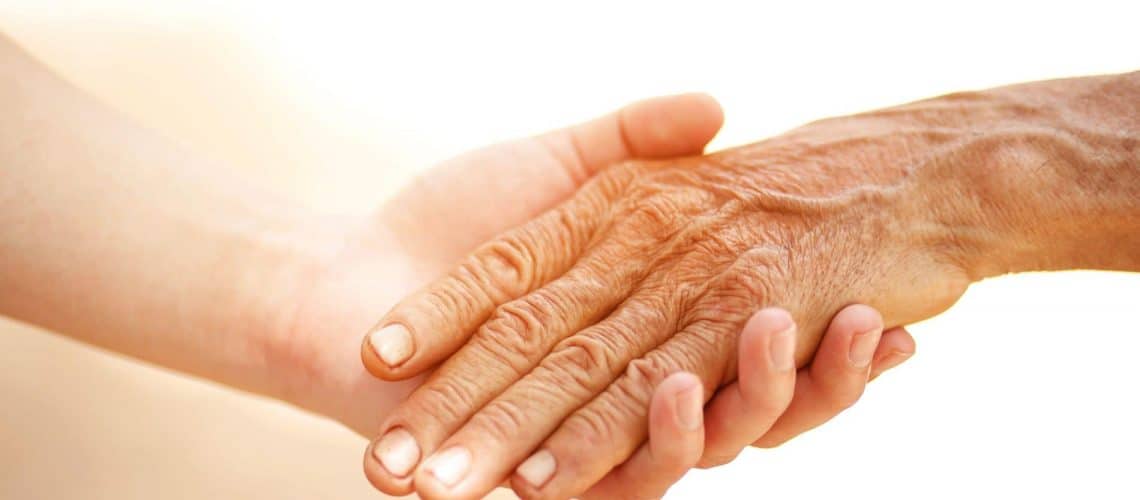
Caring for elderly loved ones is a significant responsibility, often entrusted to nursing homes. Unfortunately, nursing home abuse is a grave issue that affects many families. Recognizing the signs of abuse and neglect can help protect those who are most vulnerable. If we understand what to look for, we can take action to stop the abuse before it gets worse.
Nursing home abuse can come in many forms, such as physical harm, emotional distress, or neglect. Beyond these obvious signs, there may be more subtle indications that something is wrong. Knowledge is power; knowing how to spot these signs can be the difference between safety and danger for your loved ones.
Preventing nursing home abuse also involves proactive steps. Families need to be actively involved in the care of their elders, and nursing homes should be held to high standards of care. Understanding the preventive measures and knowing the legal options available can empower families to make informed decisions and seek justice if necessary. This article aims to guide you through recognizing and addressing nursing home abuse effectively.
Recognizing the signs of nursing home abuse can help intervene early and protect our loved ones. Physical abuse often leaves visible marks, such as bruises, cuts, or broken bones. Be vigilant for any unexplained injuries or frequent trips to the hospital. Other signs might include bedsores, untreated medical conditions, or sudden weight loss, indicating neglect or inadequate care.
Emotional abuse can be harder to spot but is equally damaging. Pay attention to changes in your loved one’s behavior, such as becoming withdrawn, depressed, or excessively fearful. They might also exhibit signs of anxiety or unusual aggression. Another red flag is if the staff prevents you from seeing your loved one alone, as they may be trying to hide signs of mistreatment.
If you suspect that your loved one is experiencing abuse or neglect in a nursing home, you need to act swiftly. First, document everything you observe. Write down dates, times, and details of any incidents or injuries. Take photographs of visible injuries and keep records of your conversations with staff or other residents.
Report your concerns to the nursing home administration immediately. Sometimes, issues can be resolved internally without further escalation. However, if the abuse persists or the nursing home fails to take action, contact your local ombudsman or adult protective services for assistance. They can initiate an investigation and help ensure that your concerns are addressed appropriately. Protecting your loved one’s well-being is the top priority, and taking these steps can help stop the abuse.
Ensuring safety in nursing homes requires proactive measures. One important step is to research the facility thoroughly before making any decisions. Look for reviews and ratings online, and visit the nursing home multiple times. During your visits, observe the interactions between staff and residents. A caring and attentive staff is a key indicator of a safe environment.
Another preventive action is to maintain regular communication with your loved one. Frequent visits and phone calls can help you stay informed about their well-being. Encourage your loved one to speak up about any concerns they might have. Building a strong relationship with the staff can also be beneficial, as it makes them more vigilant in their care.
If a loved one has been a victim of nursing home abuse, knowing the legal options can help secure justice. One of the first steps is to consult a lawyer who specializes in nursing home abuse cases. They can provide guidance on how to gather evidence and build a strong case.
Documenting everything is crucial. Keep detailed records of all incidents, medical reports, and communications. A lawyer can assist in filing a complaint against the nursing home, which may result in an investigation. If the abuse is proven, you might be able to pursue a lawsuit for damages. Compensation can help cover medical expenses and other related costs, while also holding the responsible parties accountable.
Recognizing and preventing nursing home abuse is essential for the safety and dignity of our loved ones. By being vigilant and proactive, we can help ensure that nursing homes remain safe and caring environments. If abuse is suspected, taking immediate steps and seeking legal assistance can make a significant difference.
At Murray, Stone & Wilson, our nursing home abuse attorneys are dedicated to protecting the rights of nursing home residents. If you suspect that your loved one is a victim of abuse, contact us for a consultation. We are here to help you navigate this difficult situation and seek justice for your loved one.

This page has been written, edited, and reviewed by a team of legal writers following our comprehensive editorial guidelines. This page was approved by our team of attorneys, who have more than 50 years of combined legal experience in helping victims of nursing home abuse.

When families place a loved one in a nursing home, they trust the facility to protect far more than physical health. Financial abuse in...

Finding Trustworthy Care Through Federal Ratings When your loved one needs nursing home care, choosing the right facility can feel overwhelming. For many families,...

Finding Safe, Quality Nursing Home Care for Your Loved One When your elderly parent can no longer live independently, finding a quality nursing home...
Need legal advice? Our experienced attorneys are here to help. Reach out today for a confidential consultation tailored to your needs.

100 Front Street Suite 1230
West Conshohocken, PA 19428
Phone: 215-515-0741
Fax: (610) 467-2881
 Message Us
  Call Us