
free consultation
free consultation
Posted September 13, 2023 - by MSW Law Group
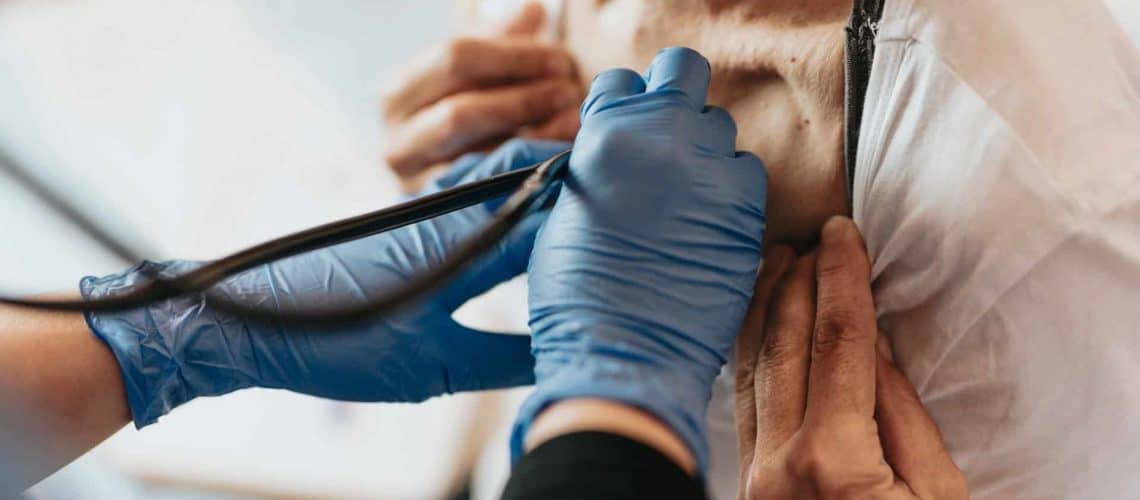
Placing a loved one in a nursing home or long-term care facility can be difficult, often accompanied by concerns for their well-being and safety. Although the majority of care facilities strive to provide quality care, cases of nursing home abuse and neglect are unfortunately not uncommon.
Ensuring the safety and protection of our elderly or vulnerable loved ones in care facilities is paramount, and being informed and proactive is key to preventing maltreatment. At Murray, Stone & Wilson, our compassionate and experienced attorneys are dedicated to providing support and legal expertise to families impacted by nursing home abuse and neglect, seeking justice for their loved ones and holding care facilities accountable.
In this blog post, we will examine the warning signs of nursing home abuse and neglect, explore prevention strategies, and discuss your legal rights and options when seeking justice for a victim of maltreatment in a care facility. By understanding the risks and recognizing the indicators of abuse and neglect, you can better protect your loved ones and hold those responsible for their care accountable for any harm they may cause.
Being vigilant, well-informed, and proactive can help to protect your loved one from abuse or neglect in a nursing home setting. If you suspect that abuse or neglect has occurred, having a knowledgeable attorney by your side can be crucial in seeking justice and ensuring your family member’s safety.
The first step in preventing nursing home abuse and neglect is recognizing the signs and symptoms that may indicate maltreatment. Common indicators of abuse and neglect include:
Being familiar with these warning signs is critical for identifying potential maltreatment and taking swift action to address any issues.
Proactively safeguarding your loved one against abuse and neglect in a nursing home involves several key strategies:
Implementing these prevention strategies can significantly reduce the likelihood of abuse or neglect occurring and ensure that your loved one receives the best possible care.
If you believe your loved one has been a victim of nursing home abuse or neglect, it is crucial to understand your legal rights and seek the guidance of an experienced attorney. An attorney can help you:
With the support of a knowledgeable attorney, you can effectively seek justice for your loved one and hold the responsible parties accountable for their actions.
The responsibility of protecting elderly and vulnerable individuals residing in nursing homes falls on the family members, friends, and care providers who comprise their support networks. By remaining vigilant, informed, and proactive, we can make a meaningful difference in the lives of those entrusted to nursing home care. Here are some practical steps to take:
Taking these proactive steps can help prevent nursing home abuse and neglect, ensuring a safer and more secure environment for all.
Unfortunately, nursing home abuse and neglect are all too common, but with knowledge, vigilance, and determination, we can help protect our loved ones and ensure they receive proper care. If you suspect abuse or neglect in a nursing home, seeking the guidance of an experienced attorney at Murray, Stone & Wilson is an essential step in pursuing justice on behalf of your loved one.
Our compassionate and dedicated team is committed to helping those affected by nursing home abuse and neglect, providing legal expertise and support throughout the process. Contact our nursing home abuse attorney today if you have concerns about your loved one’s safety in a care facility, and let us help you seek the justice and peace of mind your family deserves.

This page has been written, edited, and reviewed by a team of legal writers following our comprehensive editorial guidelines. This page was approved by our team of attorneys, who have more than 50 years of combined legal experience in helping victims of nursing home abuse.

When families place a loved one in a nursing home, they trust the facility to protect far more than physical health. Financial abuse in...

Finding Trustworthy Care Through Federal Ratings When your loved one needs nursing home care, choosing the right facility can feel overwhelming. For many families,...

Finding Safe, Quality Nursing Home Care for Your Loved One When your elderly parent can no longer live independently, finding a quality nursing home...
Need legal advice? Our experienced attorneys are here to help. Reach out today for a confidential consultation tailored to your needs.

100 Front Street Suite 1230
West Conshohocken, PA 19428
Phone: 215-515-0741
Fax: (610) 467-2881
 Message Us
  Call Us