
free consultation
free consultation
Posted August 13, 2025 - by MSW Law Group
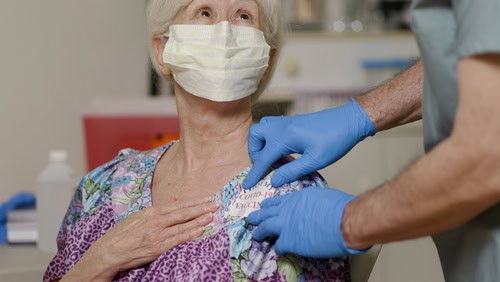
If you’ve noticed troubling changes in your loved one’s condition at their nursing home, you’re facing one of the most heart-wrenching situations a family can encounter. According to a study cited by the National Center on Elder Abuse that interviewed 2,000 nursing home residents, 44 percent reported they had been abused and 95 percent reported they had been neglected or witnessed the neglect of another resident. These staggering numbers reveal a crisis in elder care that affects families across Pennsylvania every day. Understanding the different forms of neglect, including self-neglect that can result from inadequate supervision and care, helps families recognize when it’s time to take action and protect their vulnerable loved ones.
? Pro Tip: Visit your loved one at different times of day and week to get a complete picture of their care – patterns of neglect often become more visible with varied observation times.
If you’re navigating the challenging waters of nursing home neglect, it’s time to take a stand with MSW Law Group by your side. Recognize the signs, protect your family, and ensure no stone is left unturned in the pursuit of justice. Reach out today at 215-910-4232 or contact us to begin safeguarding your loved one’s future.
Federal law sets minimum quality-of-care standards for nursing homes through regulations, and Pennsylvania supplements these with its own laws designed to protect elderly residents. Every nursing home owes a duty of care to its residents, meaning they must maintain standards designed to protect residents’ health, safety, and well-being. When facilities fail to meet these standards, a nursing home abuse lawyer in Philadelphia can help families pursue justice. In Pennsylvania, statutes and regulations govern the minimum standard of care for private nursing homes, and when a nursing home’s violation of these minimum standards causes injury to an elderly resident, a plaintiff may assert negligence per se.
The Adult Protective Services Law (Act 70 of 2010) was enacted to protect adults between the ages of 18 and 59 with physical or mental disabilities, while older adults receive protection through the Older Adults Protective Services program. Pennsylvania operates a 24/7 Statewide Elder Abuse Helpline for reporting suspected abuse, and reporters can remain anonymous with legal protection from retaliation, discrimination, and civil and criminal prosecution. Working with a nursing home abuse lawyer in Philadelphia ensures families understand these protections and can effectively use them to safeguard their loved ones.
? Pro Tip: Document everything – take photos of injuries, keep copies of medical records, and maintain a log of conversations with facility staff about care concerns.
Understanding how to identify and address nursing home neglect requires knowing both the warning signs and the proper steps to take action. Between 2015 and 2024, the average count of deficiencies in nursing facilities increased by 40%, from 6.8 to 9.5, highlighting the growing need for vigilance. When working with a nursing home abuse lawyer in Philadelphia, families typically follow this process to protect their loved ones and seek justice:
? Pro Tip: Pennsylvania’s Area Agencies on Aging (AAAs) – there are 52 throughout the state – can provide immediate support and guidance while you consider legal action.
When nursing home neglect endangers your loved one, swift legal action can make the difference between continued suffering and meaningful change. MSW Law Group understands that nursing homes can be held liable for elder abuse when families can demonstrate the facility’s duty to the elderly person, a breach in this duty of care, actual and proximate causation, and actual damages suffered. A nursing home abuse lawyer in Philadelphia from our firm examines whether negligent care, negligent maintenance of premises, negligent selection of equipment, or negligent hiring and retention of employees contributed to your loved one’s harm.
Beyond securing compensation, legal action often forces facilities to improve their care standards, potentially protecting other vulnerable residents. Our team works closely with families to navigate both tort liability claims and potential breach of contract causes of action, understanding that in Pennsylvania, there are also criminal penalties associated with elder abuse that can add leverage to civil cases.
? Pro Tip: Request a copy of your loved one’s care plan and compare it to the actual care being provided – discrepancies often reveal systemic neglect issues.
Nursing home neglect takes many forms, and recognizing these variations helps families identify when their loved ones need protection. Physical neglect manifests through bedsores, falls, malnutrition, and dehydration – often resulting from understaffing or poor training. Medical neglect occurs when facilities fail to provide necessary medications, treatments, or doctor visits. A nursing home abuse lawyer in Philadelphia frequently sees cases where residents develop preventable conditions because staff ignored early warning signs or failed to follow prescribed care protocols.
Self-neglect in nursing home settings often stems from facility failures rather than resident choice. When staff don’t provide adequate assistance with daily activities, residents may stop eating properly, taking medications, or maintaining personal hygiene – not by choice, but because they lack the physical or cognitive ability to care for themselves without help. We’ve observed that facilities sometimes blame residents for “refusing care” when in reality, understaffing or poor training prevented staff from providing necessary support. This shifting of responsibility represents a serious breach of the facility’s duty of care.
? Pro Tip: Ask to review staffing records and compare them to state requirements – chronic understaffing often correlates with increased neglect incidents.
The impact of nursing home neglect extends far beyond physical injuries, creating emotional and financial burdens that affect entire families. With Medicaid serving as the primary payer for 63% of nursing facility residents as of July 2024, many families already face financial stress before neglect compounds their challenges. Emergency medical treatment for neglect-related injuries, transfers to new facilities, and ongoing psychological support all create unexpected expenses. A nursing home abuse lawyer in Philadelphia helps families understand that these damages are recoverable through legal action.
Discovering that a trusted facility neglected your loved one often triggers guilt, anger, and depression among family members. Adult children may struggle with feelings of failure for not recognizing signs sooner, while spouses experience profound grief watching their partner suffer unnecessarily. These emotional impacts deserve recognition and compensation just as much as physical injuries.
? Pro Tip: Keep a journal documenting your emotional journey and any counseling or therapy needed – these records strengthen claims for emotional distress damages.
Families facing nursing home neglect often share similar concerns about their legal options and the process ahead. Understanding these common questions helps you make informed decisions about protecting your loved one.
? Pro Tip: Prepare a list of specific incidents and dates before your legal consultation – detailed information helps attorneys evaluate your case more effectively.
Taking action against nursing home neglect requires careful planning and experienced legal guidance. Pennsylvania’s protective services framework provides multiple avenues for holding facilities accountable.
? Pro Tip: Don’t wait for “one more incident” – patterns of neglect rarely improve without intervention, and early action often prevents more serious harm.
Documentation becomes crucial when residents cannot advocate for themselves. Medical records, photographs of injuries or living conditions, witness statements from other residents or visitors, and expert medical testimony can establish neglect patterns. A nursing home abuse lawyer in Philadelphia can also subpoena staffing records, training documents, and prior complaint histories that reveal systemic problems.
Legally actionable neglect occurs when a facility falls below the minimum standard of care required by federal and Pennsylvania regulations, causing harm to a resident. This includes failing to provide adequate nutrition, hygiene assistance, medication management, or supervision. Even if a facility meets minimum licensing standards, they may still fall below the general standard of care required by law.
While nursing homes may argue that injuries were inevitable due to poor health or medical complications, Pennsylvania law follows the principle that defendants take victims as they find them. This means even if your loved one had pre-existing conditions or age-related fragility, the nursing home remains liable if their negligence caused an exacerbation of that condition.
Pennsylvania’s statute of limitations for personal injury claims, including nursing home abuse, is generally two years from the date of injury or discovery of harm. However, special circumstances may extend or shorten this timeline. Consulting with a nursing home abuse lawyer in Philadelphia promptly ensures you don’t miss critical deadlines.
Families may recover damages for medical expenses, pain and suffering, emotional distress, and in severe cases, punitive damages. If neglect resulted in wrongful death, additional damages for loss of companionship and funeral expenses may apply. Each case’s value depends on specific circumstances and the severity of harm suffered.
Protecting elderly loved ones from nursing home neglect requires experienced legal representation that understands both Pennsylvania’s complex regulatory framework and the unique vulnerabilities of elderly residents. The decision to pursue legal action often feels overwhelming, but remember that holding negligent facilities accountable not only helps your family but potentially protects other vulnerable residents from similar harm. When selecting legal representation, look for attorneys who combine thorough knowledge of elder care regulations with genuine compassion for families navigating these difficult situations.
If you or someone you know is confronting the stormy seas of nursing home neglect, now’s the time to turn the tide. With MSW Law Group at your service, ensure your loved ones are shielded and respected. Don’t let this moment slip away—reach out at 215-910-4232 or contact us today.

This page has been written, edited, and reviewed by a team of legal writers following our comprehensive editorial guidelines. This page was approved by our team of attorneys, who have more than 50 years of combined legal experience in helping victims of nursing home abuse.

Key Takeaways A facility with a clean brochure can still understaff its floors or skip basic supervision. Facilities do not always flag it when...

Every dose given incorrectly in a nursing home carries real consequences for a resident already dependent on others for basic care. Nursing home medication...

When Every Day Counts: Getting Fast Help for Nursing Home Abuse You’ve just discovered bruising on your mother’s arms that she can’t explain, or...
Need legal advice? Our experienced attorneys are here to help. Reach out today for a confidential consultation tailored to your needs.

100 Front Street Suite 1230
West Conshohocken, PA 19428
Phone: 215-515-0741
Fax: (610) 467-2881

 Message Us
  Call Us