
free consultation
free consultation
Posted October 9, 2025 - by MSW Law Group
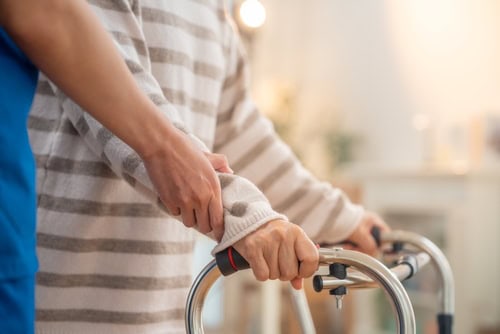
Your mother called you crying from her nursing home room, describing rough handling by staff and mysterious bruises on her arms. After filing a complaint with the Pennsylvania Department of Health, you waited months only to receive a dismissal notice – just like 92% of all nursing home abuse complaints filed in Pennsylvania between 2012 and 2014. This shocking statistic reveals a systemic failure that leaves vulnerable elderly residents without protection and families without recourse.
If you’re struggling with concerns about a loved one in a Pennsylvania nursing facility, you’re not alone. With over 83,000 nursing home beds across more than 650 facilities statewide, and Pennsylvania ranking fourth nationally in its percentage of residents over 65, thousands of families face similar worries every day. Understanding why the state dismissed such an overwhelming majority of complaints – and what you can do about it – becomes crucial when protecting those who cannot protect themselves.
? Pro Tip: Document everything with photos, dates, and detailed notes when you suspect abuse. This evidence becomes invaluable if state agencies dismiss your initial complaint.
Don’t let Pennsylvania’s shocking dismissal rate keep you silent. At MSW Law Group, we understand that every complaint reflects a real person in need. Reach out to us at 215-910-4232 or contact us to explore how civil litigation can offer the justice and protection your loved one deserves.
Pennsylvania law requires nursing homes to protect residents’ personal and property rights while maintaining high standards of health care and safety. Administrators must maintain ongoing relationships with medical and nursing staff through monthly meetings and reports. Despite these clear regulations, the Department of Health’s pattern of dismissing complaints leaves families wondering what recourse remains. A nursing home abuse lawyer in Philadelphia can help you understand that dismissal by state agencies doesn’t mean your case lacks merit or that you’ve exhausted all options.
The Elder Abuse Helpline (1-800-490-8505) operates 24/7 for reporting suspected abuse, and Area Agencies on Aging must meet with older adults within 24 hours for emergency reports. Even when DOH dismisses a complaint, families retain the right to pursue civil litigation against facilities that harm their loved ones. Reports can be made anonymously, protecting those who fear retaliation while seeking justice for vulnerable residents.
? Pro Tip: Keep copies of all complaint filings and responses. Even dismissed complaints can serve as valuable documentation showing a pattern of concerns about a facility.
The nursing home complaint investigation process should protect residents, but understanding how it actually works reveals why so many valid concerns get dismissed. When you file a complaint through the hotline (1-800-254-5164), you speak directly with a Department of Health professional who categorizes your report. For emergency situations, Area Agencies on Aging must respond within 24 hours, while other reports receive up to 20 days for investigation. However, between 2012 and 2014, this process failed dramatically, with DOH dismissing legitimate concerns at an alarming rate.
? Pro Tip: Request investigation reports in writing. DOH’s tendency to mischaracterize violation severity means you need documentation to challenge their findings.
When state agencies fail to protect nursing home residents, families need advocates who understand both the system’s failures and alternative paths to justice. The Pennsylvania nursing home complaint dismissals between 2012 and 2014 demonstrate that relying solely on regulatory enforcement leaves residents vulnerable. MSW Law Group recognizes that behind every dismissed complaint lies a real person suffering real harm, and their experience navigating both regulatory and civil legal systems provides families with options beyond DOH’s flawed investigation process.
Civil litigation offers a powerful tool when regulatory agencies won’t act. Unlike DOH investigations that routinely mischaracterized violation severity and breadth, civil cases allow for independent investigation, witness testimony, and accountability through the court system. Financial exploitation has become the number one type of reported abuse against older adults in Pennsylvania, yet regulatory dismissals leave victims without recourse through traditional channels. Working with experienced legal counsel ensures your loved one’s story gets heard, even when state agencies refuse to listen.
? Pro Tip: Don’t wait for DOH action before consulting an attorney. The nursing home abuse statute of limitations continues running regardless of pending regulatory investigations.
The 92% dismissal rate creates a dangerous illusion of safety for families researching nursing homes. When DOH dismisses valid complaints, it becomes nearly impossible to get an accurate understanding of a facility’s track record. This misinformation doesn’t just harm current residents – it endangers future ones by painting unsafe facilities as problem-free. A nursing home abuse lawyer in Philadelphia often uncovers patterns of abuse that never appear in public records because complaints were systematically dismissed.
Smart families must look beyond official complaint records when evaluating facilities. The Pennsylvania nursing home violations report from Community Legal Services revealed that DOH interpreted regulations so narrowly that even serious incidents like “falls with injuries,” “misadventure with life sustaining equipment,” and “medication errors causing serious injury” weren’t considered violations. This means a facility with zero substantiated complaints might actually have numerous serious incidents that DOH simply refused to acknowledge. Nearly 75% of deaths in Pennsylvania occur in hospitals and nursing homes annually, making the choice of facility literally life-or-death.
? Pro Tip: Visit facilities multiple times at different hours and speak with current residents’ families in the parking lot for unfiltered perspectives on care quality.
Understanding what constitutes abuse becomes crucial when regulatory agencies apply overly narrow definitions. Pennsylvania regulations define various forms of mistreatment, including intimidation – acts intended to obstruct or interfere with laws protecting older adults. Yet DOH’s investigatory strategy routinely dismisses legitimate concerns. Families working with a nursing home abuse lawyer in Philadelphia learn to identify and document abuse patterns that regulators ignore, from unexplained injuries to sudden behavioral changes indicating psychological harm.
Creating your own evidence trail protects your loved one when official channels fail. Photograph all injuries, maintain detailed logs of concerning incidents, and request medical records regularly. Note staffing levels during visits, document medication errors, and save all communication with facility administrators. Since abuse reports can be made whether older adults live at home or in care facilities, the same documentation principles apply across settings. With financial exploitation now the leading form of elder abuse statewide, monitoring bank statements and personal property becomes equally important.
? Pro Tip: Use a dedicated notebook or app to track concerns chronologically. Dating and timing each entry creates a timeline that proves patterns regulators might dismiss as isolated incidents.
Families facing dismissed nursing home complaints often feel helpless, but understanding your options beyond regulatory channels opens new paths to justice. The systematic dismissal of 92% of complaints doesn’t reflect the validity of those concerns – it reflects a broken system that requires alternative approaches.
? Pro Tip: Request all investigative documents from DOH through formal records requests. These often contain evidence useful for civil cases, even in dismissed complaints.
Moving forward after DOH dismisses your complaint requires strategic thinking and often legal guidance. Civil litigation, media attention, and legislative advocacy all offer ways to protect residents when regulatory enforcement fails. Understanding these alternatives empowers families to continue fighting for their loved ones’ safety and dignity.
? Pro Tip: Connect with other families who’ve faced similar dismissals. Class action possibilities sometimes emerge from patterns of abuse at specific facilities.
Yes, absolutely. DOH dismissal doesn’t prevent civil litigation. In fact, given the 92% dismissal rate, many valid cases proceed through civil courts rather than regulatory channels. A nursing home abuse attorney in Philadelphia can evaluate evidence that DOH ignored or mischaracterized and build a strong case for compensation and accountability.
Community Legal Services found that DOH adopted an investigatory strategy that narrowly interpreted regulations, excluded serious incidents from violation definitions, and routinely mischaracterized violation severity. The agency significantly decreased sanctions and monetary penalties during this period, creating an environment where facilities faced minimal accountability for resident harm.
Strong documentation including photographs, medical records, witness statements, and detailed incident logs proves crucial. Since DOH dismissed even facilities with 38 complaints like Care Pavilion, families need comprehensive evidence showing patterns rather than isolated incidents. Working with a Philadelphia nursing home abuse attorney ensures proper evidence collection and presentation.
Pennsylvania’s statute of limitations for nursing home abuse cases typically allows two years from the date of injury or discovery of harm. However, various factors can affect this timeline, including ongoing abuse patterns or delayed discovery of injuries. Don’t delay consultation because of a pending DOH investigation – the clock continues running regardless of regulatory proceedings.
Successful cases may recover compensation for medical expenses, pain and suffering, emotional distress, and in cases of gross negligence, punitive damages. When nursing home violations cause wrongful death, families may pursue additional damages. Given DOH’s failure to impose meaningful monetary penalties, civil litigation often provides the only real financial accountability for abusive facilities.
The shocking 92% dismissal rate of nursing home abuse complaints in Pennsylvania highlights a system that fails our most vulnerable citizens. When regulatory agencies won’t protect your loved ones, you need advocates who understand both the system’s failures and how to work around them. Every dismissed complaint represents a real person whose suffering was ignored – but dismissal by DOH doesn’t mean your fight ends. Through civil litigation and aggressive advocacy, families can still achieve justice, compensation, and most importantly, protection for nursing home residents. Don’t let a broken regulatory system silence your loved one’s voice.
Don’t let Pennsylvania’s dismissal trend silence you. MSW Law Group is here to help you champion the protection and rights of your loved ones. Get in touch today at 215-910-4232 or contact us to take meaningful steps towards justice.

This page has been written, edited, and reviewed by a team of legal writers following our comprehensive editorial guidelines. This page was approved by our team of attorneys, who have more than 50 years of combined legal experience in helping victims of nursing home abuse.

Key Takeaways A facility with a clean brochure can still understaff its floors or skip basic supervision. Facilities do not always flag it when...

Every dose given incorrectly in a nursing home carries real consequences for a resident already dependent on others for basic care. Nursing home medication...

When Every Day Counts: Getting Fast Help for Nursing Home Abuse You’ve just discovered bruising on your mother’s arms that she can’t explain, or...
Need legal advice? Our experienced attorneys are here to help. Reach out today for a confidential consultation tailored to your needs.

100 Front Street Suite 1230
West Conshohocken, PA 19428
Phone: 215-515-0741
Fax: (610) 467-2881

 Message Us
  Call Us