
free consultation
free consultation
Posted August 28, 2026 - by MSW Law Group
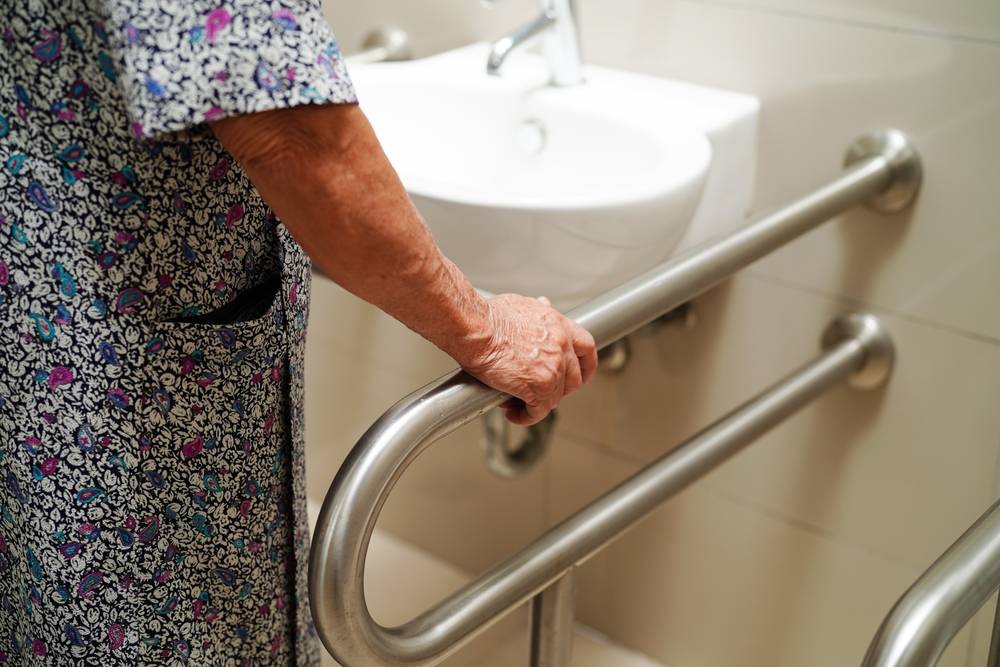
Families placing a parent or spouse in a Philadelphia care facility often wonder “How often do nursing homes bathe patients?” especially after noticing skipped showers or an unkempt appearance during a visit. The answer matters because bathing frequency reflects broader hygiene and dignity standards nursing homes must follow under state and federal law.
Murray Stone Wilson | Nursing Home Abuse Attorneys works with families across Philadelphia to determine whether a facility’s hygiene practices meet required standards or signal neglect. A Philadelphia nursing home abuse lawyer can review care plans, staffing records, and hygiene logs to determine what missed baths actually reveal about a facility’s care.
Don’t wait if something feels wrong. Our legal team can review your situation, explain your options, and help you take immediate action to protect your family.
Nursing home residents in Philadelphia typically receive a full bath or shower two to three times per week, supplemented with daily sponge baths, grooming support, and prompt clean-up whenever incontinence occurs. Pennsylvania law does not set a strict daily bathing requirement, and neither does federal regulation.
Under 42 CFR Part 483, nursing homes must supply routine hygiene items and services, including soap, incontinence care, and bathing assistance, without charging residents separately for them. This standard does not fix an exact number of baths per week. Facilities instead have to meet each resident’s hygiene needs on an ongoing basis. In practice, frequency depends heavily on the individualized plan developed for each resident rather than a single fixed rule.
Federal regulation classifies bathing as one of several required activities of daily living that a facility must support as part of every resident’s care plan. Every resident receives an individualized care assessment upon admission, and that assessment, based on health conditions, mobility, and the condition of their skin, shapes daily routines, including bathing frequency. A resident with fragile skin or a healing wound may need more frequent bathing. Another resident with limited mobility may need modified methods, such as bed baths, instead.
Residents also retain the legal right to refuse a bath, and staff should return later to try again rather than force the resident to bathe. Staffing levels influence how consistently facilities follow these plans. Facilities cited for chronic understaffing often struggle to keep every resident on schedule, which can turn an isolated missed bath into a recurring problem.
free consultation
Pennsylvania’s Health Care Facilities Act requires nursing homes to provide services adequate for residents’ care, treatment, and comfort before the state will license them. The Act also authorizes the Department of Health to inspect facilities and to revoke a facility’s license or impose penalties when negligence, misconduct, or mistreatment threatens resident health or safety. Federal regulation reinforces this obligation.
Under federal nursing facility requirements, residents have the right to be treated with dignity and to receive care in an environment that supports their well-being. That standard explicitly includes routine hygiene support as part of a resident’s quality of life. A repeated lapse, especially one tied to broader neglect, can violate a resident’s legal rights.
A single missed bath tied to a resident’s refusal is not the same as an ongoing pattern of neglect. Families who repeatedly notice body odor, soiled clothing, unwashed hair, or skin breakdown should ask a direct question, “How often do nursing homes bathe patients at this facility?” and request a copy of the signed care plan. Persistent hygiene failures often accompany other nursing home abuse signs, including unexplained weight loss, bedsores, or sudden behavioral withdrawal. When documentation shows that a facility ignored a resident’s assessed bathing needs for weeks or months, that pattern can support a legal claim for nursing home neglect. Poor hygiene by itself is not proof of neglect. More often, it points to staffing shortages or broader problems in how the facility delivers care.
Murray Stone Wilson | Nursing Home Abuse Attorneys helps Philadelphia families investigate suspected nursing home neglect, including cases where understaffing or ignored care plans left residents without proper bathing assistance. Families still asking, “How often do nursing homes bathe patients?” about a loved one’s facility can get real answers by reaching out. Call (215) 947-5300 today to schedule a free consultation and take the first step toward protecting a family member’s health and dignity.
Erica C. Wilson earned her B.A. from Boston College, where she was inducted into the Order of the Cross and Crown for academic excellence, leadership, and service. She received her J.D. from Temple University Beasley School of Law, where she was a member of the Temple Law Review and earned “Outstanding Oral Advocacy” honors in three trial advocacy seminars. She later served as an Assistant District Attorney in Philadelphia before representing victims of nursing home abuse and neglect at a national plaintiff’s firm and co-founding Murray Stone & Wilson, PLLC. Erica focuses her practice on nursing home abuse, wrongful death, and catastrophic injury litigation, including complex cases involving neglect, invasion of privacy, and sexual abuse.

This page has been written, edited, and reviewed by a team of legal writers following our comprehensive editorial guidelines. This page was approved by our team of attorneys, who have more than 50 years of combined legal experience in helping victims of nursing home abuse.
Key Takeaways Skilled nursing facilities in Philadelphia are licensed to manage feeding tubes, unlike assisted living or personal care homes. Feeding tubes include the...

Key Takeaways Assisted living supports independence with daily task help, while nursing homes provide 24-hour medical supervision. Pennsylvania licenses nursing homes through the Department...

When a nursing home resident dies under circumstances suggesting neglect or abuse, families are often left with more questions than answers. Many Pittsburgh families...
Need legal advice? Our experienced attorneys are here to help. Reach out today for a confidential consultation tailored to your needs.

100 Front Street Suite 1230
West Conshohocken, PA 19428
Phone: 215-515-0741
Fax: (610) 467-2881
 Call us at 215-947-5300
 Message Us
  Call Us