
free consultation
Posted November 23, 2026 - by MSW Law Group
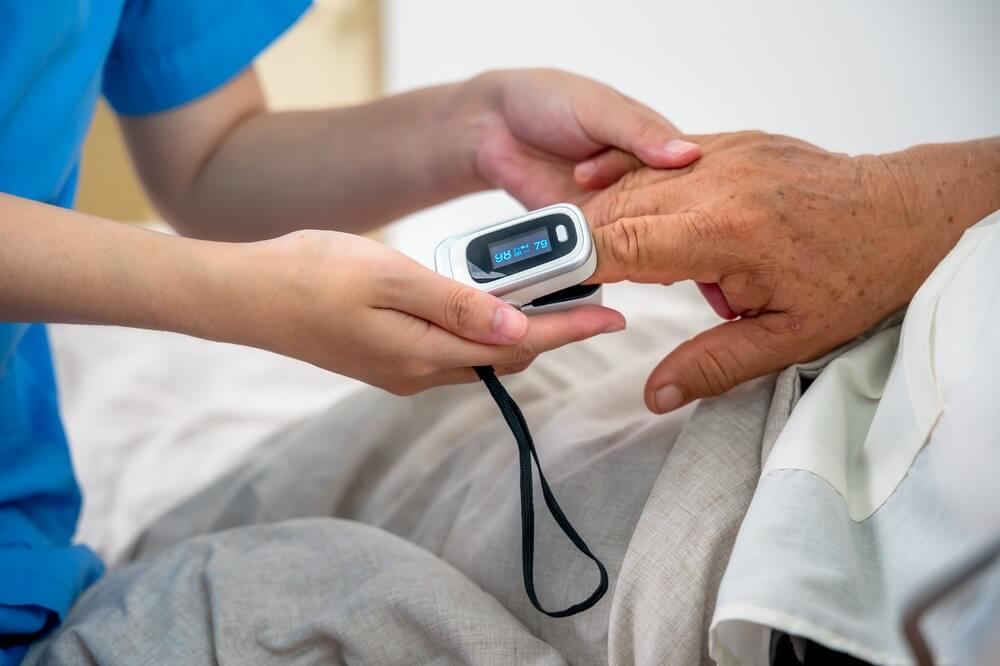
Choosing a nursing home means trusting a facility with a loved one’s daily care, and many families turn to government ratings to guide that choice. Those ratings draw on nursing home quality measures, federal scores that track how often residents develop bedsores, suffer falls, or contract infections. Because the numbers seem objective, families often treat them as the final word, yet few know where the data comes from or what it can miss.
At Murray, Stone & Wilson, PLLC, we review these figures in our neglect investigations, and understanding both their usefulness and their limits helps families read them with more confidence.
Don’t wait if something feels wrong. Our legal team can review your situation, explain your options, and help you take immediate action to protect your family.
Families comparing Pennsylvania facilities can look to nursing home quality measures, the clinical and safety indicators that show how residents are faring. The Centers for Medicare & Medicaid Services publishes them on Care Compare, covering pressure ulcers, falls with major injury, and antipsychotic drug use. They are useful for comparison, but because they are known to be underreported, they are best read alongside inspection records.
The overall score in the CMS Five-Star Quality Rating System is built in steps rather than averaged. CMS first calculates separate sub-ratings for health inspections, staffing, and quality measures, in accordance with its Five-Star Technical Users’ Guide. The inspection rating sets the starting point; a strong staffing or quality rating can add a star, and a one-star rating in either can subtract one. The final result always lands between one and five stars.
Care Compare scores long-stay residents and short-stay rehabilitation patients separately across these indicators:
Each reflects daily care, including repositioning, hygiene, and catheter handling. Because facilities report this data themselves, its accuracy depends on their honesty.
A low fall rate or strong quality score can reflect how little a facility reports rather than how safe it is. Because nursing home quality measures rely on the facility’s own resident assessments, a 2025 report from the HHS Office of Inspector General found that nursing homes left 43 percent of falls with major injury and hospitalization off those assessments, and the facilities with the lowest fall rates reported them least often. Pressure ulcer measures depend on the same self-reported data. Ratings are a good place for families to start researching, but not to stop.
Because the scores depend on what facilities report, families should use nursing home quality measures to narrow a search and then verify what they find. On Medicare Care Compare, they can focus on the measures that fit their loved one’s needs, such as pressure ulcers for a bedbound resident or antipsychotic use for someone with dementia. Pennsylvania Department of Health inspection reports then show whether inspectors saw the same problems firsthand. On a tour, asking the administrator how the facility tracks falls and pressure ulcers shows how seriously it takes accurate reporting.
Weak scores do not prove neglect on their own, but when nursing home quality measures and inspection records point to the same failures, those documents can become relevant evidence in claims involving bedsores, infections, or fractures. In cases we have handled, families were surprised to learn the facility had documented pressure ulcer problems in its CMS quality data for months before their loved one was harmed.
Residents are legally entitled to protection. Under 28 Pa. Code § 201.29, they have the right to be free from abuse and neglect, and families do not need to wait on staff to act. Raising a concern with leadership, filing with state regulators, or contacting the Pennsylvania Department of Aging can prompt an official investigation, and when a complaint cannot undo the harm, a civil claim may follow.
Star ratings cannot explain what happened to a loved one who was harmed. At Murray, Stone & Wilson, PLLC, we bring 50 years of combined trial experience to Pennsylvania nursing home cases, reviewing nursing home quality measures, inspection histories, and medical records to find who is responsible. Evidence and filing deadlines do not wait, so contact us today at (215) 947-5300 for a free consultation.
Erica C. Wilson earned her B.A. from Boston College, where she was inducted into the Order of the Cross and Crown for academic excellence, leadership, and service. She received her J.D. from Temple University Beasley School of Law, where she was a member of the Temple Law Review and earned “Outstanding Oral Advocacy” honors in three trial advocacy seminars. She later served as an Assistant District Attorney in Philadelphia before representing victims of nursing home abuse and neglect at a national plaintiff’s firm and co-founding Murray Stone & Wilson, PLLC. Erica focuses her practice on nursing home abuse, wrongful death, and catastrophic injury litigation, including complex cases involving neglect, invasion of privacy, and sexual abuse.
Erica C. Wilson

This page has been written, edited, and reviewed by a team of legal writers following our comprehensive editorial guidelines. This page was approved by our team of attorneys, who have more than 50 years of combined legal experience in helping victims of nursing home abuse.
Key Takeaways A facility with a clean brochure can still understaff its floors or skip basic supervision. Facilities do not always flag it when...

Every dose given incorrectly in a nursing home carries real consequences for a resident already dependent on others for basic care. Nursing home medication...

When Every Day Counts: Getting Fast Help for Nursing Home Abuse You’ve just discovered bruising on your mother’s arms that she can’t explain, or...
Need legal advice? Our experienced attorneys are here to help. Reach out today for a confidential consultation tailored to your needs.

100 Front Street Suite 1230
West Conshohocken, PA 19428
Phone: 215-515-0741
Fax: (610) 467-2881
 Call us at 215-947-5300
 Message Us
 Call Us