
free consultation
free consultation
Posted November 18, 2026 - by MSW Law Group
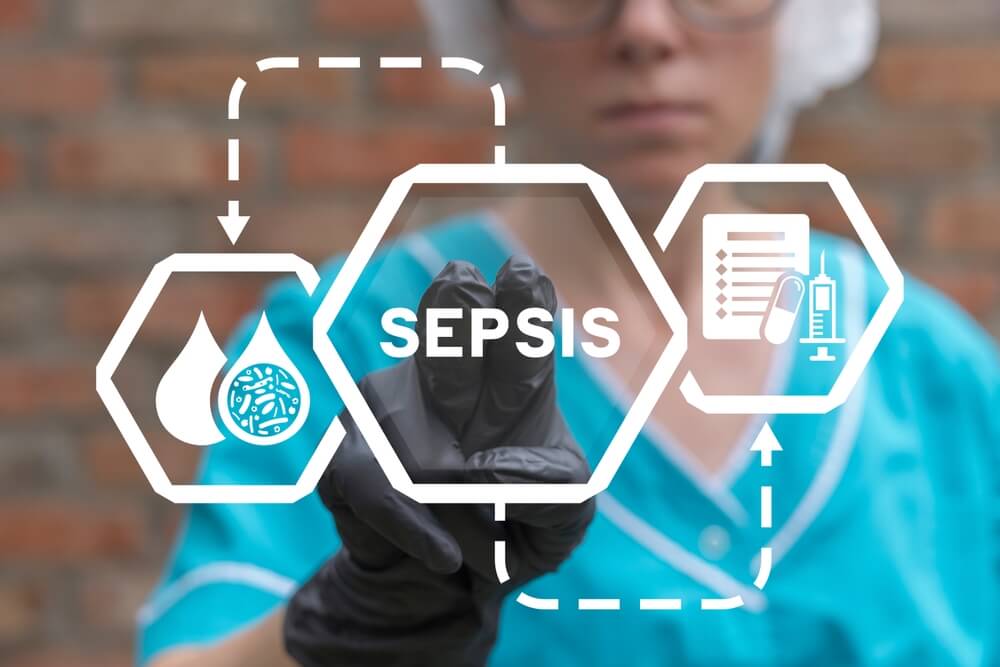
When a loved one develops sepsis in a care facility, families are often told it happened suddenly and that nothing could have been done. In reality, sepsis in nursing homes rarely appears without warning. It usually grows out of an infection, such as a urinary tract infection or a pressure sore, that goes untreated for days, and staff are expected to notice and respond to the signs along the way. Those signs, and any failure to act on them, are typically recorded in the facility’s own charts.
At Murray, Stone & Wilson, PLLC, we help Pennsylvania families review those records to understand where the infection started and whether the harm was preventable. Contact a Pennsylvania nursing home abuse lawyer today.
Don’t wait if something feels wrong. Our legal team can review your situation, explain your options, and help you take immediate action to protect your family.
When people talk about sepsis, they usually picture a very serious infection, but medically it is the body’s own response to that illness beginning to injure its tissues and organs. According to the Centers for Disease Control and Prevention, the infections behind it most often start in the lungs, urinary tract, skin, or gastrointestinal tract, and in nursing home residents, this commonly means pneumonia, a urinary tract infection, or an infected bedsore.
In older adults, the first signs are easy to miss. Trouble getting out of bed, a lost appetite, or sudden confusion can pass for ordinary decline, and many residents never develop a fever.
Without treatment, sepsis can progress from an infection to organ failure within hours or days, which leaves staff a narrow window to act. Because no single test confirms the condition, clinicians are expected to track vital signs and changes in function to catch trouble early.
When those changes are missed, the outcome can be severe, and according to the Centers for Disease Control and Prevention, at least 1 in 5 adults who develop sepsis die during hospitalization or are discharged to hospice. The warning signs that came before usually appear in the chart, which shows whether anyone responded in time.
Most of the sepsis cases we review in nursing homes begin with one of three infections, and urinary tract infections come up more often than the other two.
In each case, the infection takes hold because something in a resident’s daily care was missed:
We have handled cases involving each of these, including a fatal sacral wound infection at a Philadelphia facility cited for understaffing. Because these infections are so predictable, nursing homes are held to specific prevention standards.
Every Pennsylvania nursing home must have a written plan to prevent the spread of infections, and the federal rule governing it is 42 CFR § 483.80. For facilities that accept Medicare or Medicaid, that plan has to cover:
Pennsylvania turns these federal rules into state licensing requirements through 28 Pa. Code § 201.2, so the Department of Health can hold a facility to them. When one of these basics is skipped, and an infection progresses to sepsis, the question is whether the facility followed the rules it was required to follow.
Families find out by reviewing the resident’s records, which show whether the nursing home met its duty of care to prevent infections. Care plans, turning logs, catheter notes, vital sign charts, and nursing time stamps reveal whether staff acted when they should have, and the failures we see most often with sepsis in nursing homes include:
Those same records show when symptoms first appeared and when a physician was told, and a qualified medical professional uses that timeline to assess whether earlier action would likely have changed the outcome. Pennsylvania also requires a Certificate of Merit, filed with the complaint or within 60 days after, confirming that a qualified licensed professional found a reasonable probability that care fell below accepted standards.
Sepsis is hard on residents and on the families who watch it happen, and Pennsylvania law allows recovery whether the resident survives or not. A resident who survives can claim medical costs, pain, and suffering. When sepsis proves fatal, 42 Pa.C.S. Chapter 83 provides two related claims:
Each claim is valued only after a thorough investigation.
Your loved one’s records may already hold the answer. With 50 years of combined trial experience, Murray, Stone & Wilson, PLLC, can investigate sepsis in nursing homes across Pennsylvania and help families understand whether the harm was preventable. Contact us today at (412) 516-6000 to schedule a free consultation while filing deadlines are still open.
Mr. Stone earned his B.A. from the University of Pennsylvania and his J.D. from Rutgers–Camden School of Law, and clerked for the Honorable Eduardo C. Robreno in the U.S. District Court for the Eastern District of Pennsylvania. He later represented victims of elder abuse and neglect at a national plaintiff’s firm before co-founding Murray, Stone & Wilson, PLLC. In 2018, he secured what is believed to be the highest sexual abuse nursing home verdict in Pennsylvania history and was named a Super Lawyers Rising Star. Contact us today to speak with an attorney who fights for victims of abuse and neglect.
Matthew T. Stone

This page has been written, edited, and reviewed by a team of legal writers following our comprehensive editorial guidelines. This page was approved by our team of attorneys, who have more than 50 years of combined legal experience in helping victims of nursing home abuse.

Key Takeaways Sepsis is a life-threatening response to infection that can cause organ failure and death. Untreated sepsis can become fatal within hours to...
Key Takeaways Bed rails are classified as physical restraints under federal and Pennsylvania regulations. Their use requires a physician’s order, informed consent, and documentation...

Key Takeaways Nursing home abuse covers physical harm, emotional mistreatment, verbal attacks, psychological manipulation, neglect, medical neglect, medication errors, emotional isolation, basic needs deprivation,...
Need legal advice? Our experienced attorneys are here to help. Reach out today for a confidential consultation tailored to your needs.

100 Front Street Suite 1230
West Conshohocken, PA 19428
Phone: 215-515-0741
Fax: (610) 467-2881
 Call us at 215-947-5300
 Message Us
 Call Us