
free consultation
free consultation
Posted November 13, 2026 - by MSW Law Group
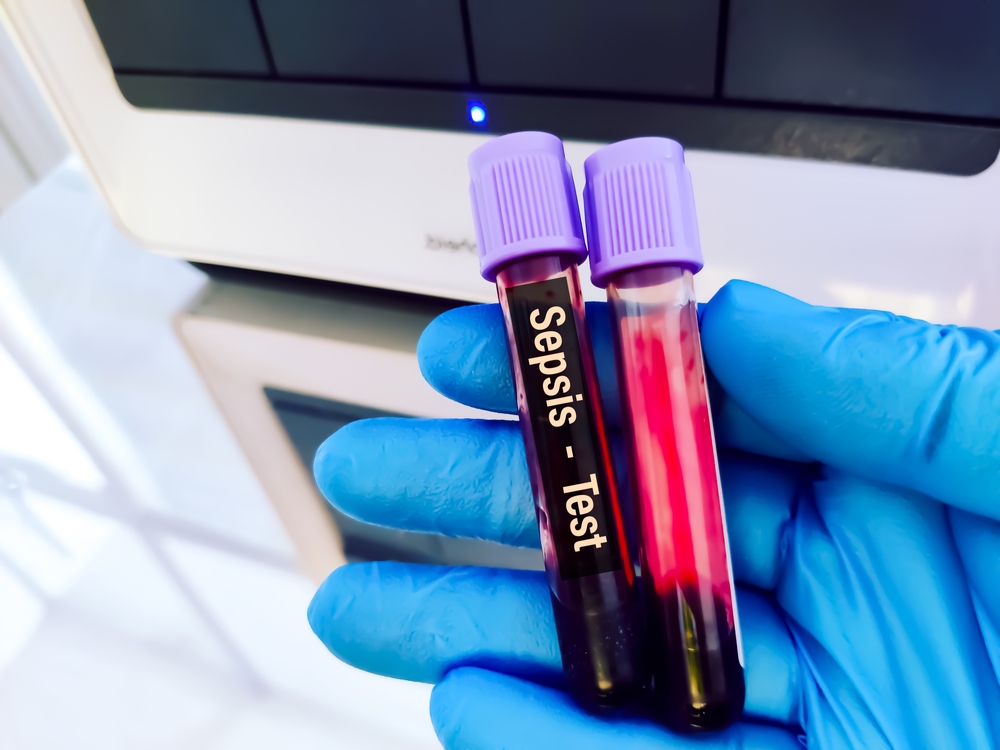
When a loved one develops an infection in a nursing home, families are often left wondering how things declined so quickly. Many of them ask, “How long does it take to die from sepsis?” and the answer is that sepsis can turn fatal within hours or days, especially for older residents.
What often shapes the outcome is how quickly the facility recognized the warning signs and acted on them. At Murray, Stone & Wilson, PLLC, we help Pittsburgh families understand what may have gone wrong, and Pennsylvania law generally gives families two years from a loved one’s death to file a wrongful death claim. Contact a nursing home abuse lawyer in Pittsburgh for legal support.
Don’t wait if something feels wrong. Our legal team can review your situation, explain your options, and help you take immediate action to protect your family.
When people talk about sepsis, they are describing the body’s extreme reaction to an infection, one that can lead to organ failure and death when treatment is delayed. The Centers for Disease Control and Prevention reports that about 1.7 million U.S. adults develop sepsis each year, and at least 350,000 die in the hospital or enter hospice care.
In a nursing home, the cause is often pneumonia, a catheter infection, or an infected pressure ulcer. Older residents have weaker immune systems, so these infections can spread quickly, which is why the staff’s response time matters so much.
Sepsis can become fatal within hours to days, depending on the infection, the resident’s health, and how fast treatment begins. Because sepsis means an infection has spread through the body, it does not happen instantly, and some infections progress faster than others. No single timeline answers how long it takes to die from sepsis for every resident, but staff have a clear duty at each stage:
When a facility misses any of these stages, a treatable infection can become a preventable death.
The best chance to stop sepsis comes while the infection is still contained and the only signs are small changes in a resident’s usual condition. A new fever, drowsiness, a skipped meal, or faster breathing can pass for an off day, and on a short-staffed shift, an aide may chart them without alerting a nurse. Under 42 CFR § 483.10, a nursing home must immediately consult the resident’s physician after a significant decline, so the gap between the first charted symptom and that call often reveals where care broke down.
Delayed treatment gives the infection time to overwhelm the body, pushing a resident into septic shock and organ failure, sometimes within a single day. Facilities often tell families nothing could have been done, but the hours before that point were real chances to act.
Some residents decline faster than others, and advanced age, chronic disease, and reliance on staff for daily care all raise the risk of sepsis. Because these factors are documented at admission, staff know which residents need closer monitoring, including those with:
Because these risks are documented at admission, staff should be ready to spot a change early.
Every nursing home must run an infection prevention and control program under 42 CFR 483.80, and that program only works if staff recognize the early warning signs of sepsis. According to MedlinePlus, those signs include:
A facility that overlooks these signs or waits too long to transfer a resident to a hospital may be legally responsible for what follows.
Losing a loved one to nursing home sepsis leaves families with urgent questions, and the first steps they take can protect the evidence needed to understand what happened. Families can start by:
From there, a nursing home abuse attorney can review the records, explain the family’s legal options, and confirm how much time remains to file in the Allegheny County Court of Common Pleas.
Still asking “how long does it take to die from sepsis after losing a loved one in a Pittsburgh nursing home?” At Murray, Stone & Wilson, PLLC, we can review the medical records, staffing levels, and inspection history to determine whether delayed care contributed to the death and whether your family has a legal claim. Contact us today at (412) 516-6000 for a free consultation.
Mr. Stone earned his B.A. from the University of Pennsylvania and his J.D. from Rutgers–Camden School of Law, and clerked for the Honorable Eduardo C. Robreno in the U.S. District Court for the Eastern District of Pennsylvania. He later represented victims of elder abuse and neglect at a national plaintiff’s firm before co-founding Murray, Stone & Wilson, PLLC. In 2018, he secured what is believed to be the highest sexual abuse nursing home verdict in Pennsylvania history and was named a Super Lawyers Rising Star. Contact us today to speak with an attorney who fights for victims of abuse and neglect.
Matthew T. Stone

This page has been written, edited, and reviewed by a team of legal writers following our comprehensive editorial guidelines. This page was approved by our team of attorneys, who have more than 50 years of combined legal experience in helping victims of nursing home abuse.
Key Takeaways Sepsis develops when an untreated infection triggers an extreme response that can damage tissue and organs. Urinary tract infections, infected bedsores, and...
Key Takeaways Bed rails are classified as physical restraints under federal and Pennsylvania regulations. Their use requires a physician’s order, informed consent, and documentation...

Key Takeaways Nursing home abuse covers physical harm, emotional mistreatment, verbal attacks, psychological manipulation, neglect, medical neglect, medication errors, emotional isolation, basic needs deprivation,...
Need legal advice? Our experienced attorneys are here to help. Reach out today for a confidential consultation tailored to your needs.

100 Front Street Suite 1230
West Conshohocken, PA 19428
Phone: 215-515-0741
Fax: (610) 467-2881
 Call us at 215-947-5300
 Message Us
 Call Us