
free consultation
free consultation
Posted July 17, 2026 - by MSW Law Group
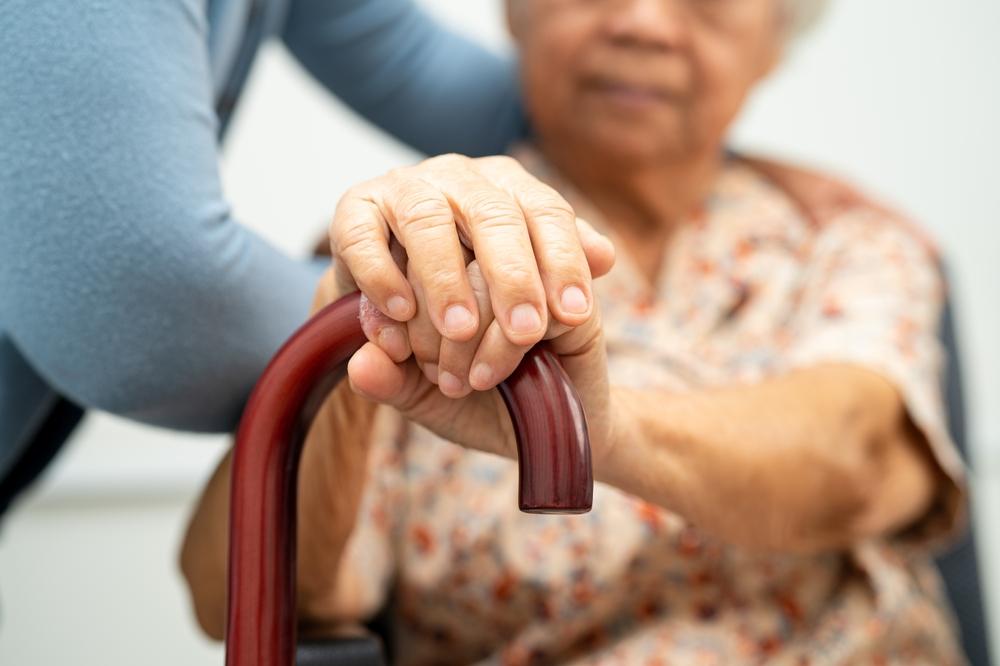
Families placing a loved one in a Philadelphia nursing home often carry an unspoken question: how long do people live in nursing homes? The answer depends on far more than age or diagnosis. Knowing what shapes a resident’s length of stay, and what can cut it short, matters to families planning, and to those who suspect poor care played a role in a loved one’s decline. Murray, Stone & Wilson, PLLC | Nursing Home Abuse Attorneys works with Philadelphia families to identify when neglect or abuse contributed to a resident’s deterioration. If your family has concerns, speaking with a Philadelphia nursing home abuse lawyer is a sound first step.
Don’t wait if something feels wrong. Our legal team can review your situation, explain your options, and help you take immediate action to protect your family.
Families asking “how long do people live in nursing homes?” Will find that the answer varies most by the type of care a resident needs. Short-term rehabilitation stays, typically following surgery or a hospitalization, last roughly four to six weeks. Residents admitted for permanent long-term care follow a different trajectory, with the majority passing away within the first year of admission. Sex is also a factor, with women making up nearly two-thirds of long-stay residents while men tend to have shorter stays overall.
The CDC’s National Center for Health Statistics puts the average length of stay across all nursing home residents at 485 days, roughly 16 months, with 43% of residents staying fewer than 100 days and 57% remaining longer. Residents admitted with advanced disease or limited mobility tend to have shorter stays, leaving little room for care errors before serious harm results.
Length of stay is rarely determined by a single cause. The variables below are the ones that consistently appear when residents decline faster than their condition alone would explain.
Heart failure, dementia, and cancer account for most long-term admissions. What determines how fast a resident deteriorates is not the diagnosis itself, but whether the facility catches infections early, responds to changing symptoms, and adjusts care accordingly.
Residents who receive regular visits and have someone asking questions are harder to neglect. Families with fewer resources often have little choice in placement, and the facilities they can afford are frequently the ones with the thinnest staffing margins.
Falls are among the most dangerous events in a nursing home resident’s trajectory. Each hospitalization that follows introduces new risks, including physical weakness from inactivity and infections acquired during the stay, and facilities without consistent fall prevention protocols push residents into repeated cycles of harm. Knowing when most falls occur helps families spot the gaps in supervision that make them preventable.
According to the Federal Long Term Care Insurance Program, the national average cost of a semi-private nursing home room is $112,420 per year. Families facing that expense often have limited ability to advocate for better care.
A nursing home that cannot staff its floors adequately cannot keep its residents safe. Missed repositioning, ignored call lights, and delayed responses to changing conditions are not random failures; they follow directly from not having enough people on the floor. When a resident begins neglecting their own basic needs, the question of who is liable for elder self-neglect often turns on whether the facility was staffed well enough to intervene.
free consultation
The question of “How long do people live in nursing homes?” Does not always have a natural answer. For some residents, a stay ends sooner than it should, not because of the illness they came in with, but because of failures in the facility meant to care for them. The Pennsylvania Department of Aging maintains a 24-hour elder abuse helpline at 1-800-490-8505, accepting anonymous reports on behalf of any resident in a care facility. Filing a report creates an official record that can matter significantly if a family later pursues a legal claim.
Nursing homes in Pennsylvania are legally required to meet defined standards of care, and when they fall short, families may have the right to hold them accountable. A civil claim can address harm from infections, pressure ulcers, falls, malnutrition, and other preventable injuries.
When a loved one’s decline raises questions about the care they received, those questions deserve direct answers. Murray, Stone & Wilson, PLLC | Nursing Home Abuse Attorneys helps Philadelphia families evaluate whether neglect or abuse contributed to a resident’s harm. Call (215) 947-5300 today for a free consultation with a Philadelphia nursing home abuse lawyer. We review the records, assess the facts, and pursue accountability when the evidence supports it.
William P. Murray, III is a Tampa-based Shareholder with over 15 years of experience representing victims of nursing home abuse, corporate fraud, trucking accidents, and catastrophic injuries. He earned his Juris Doctor from American University’s Washington College of Law, where he received the Mooers’ Trophy for excellence in trial practice, and has served as both a trial lawyer and managing attorney at a national firm before co-founding Murray, Stone & Wilson, PLLC. Recognized as a Super Lawyers Rising Star in Pennsylvania and Florida.
Speak with an experienced attorney about your case today.

This page has been written, edited, and reviewed by a team of legal writers following our comprehensive editorial guidelines. This page was approved by our team of attorneys, who have more than 50 years of combined legal experience in helping victims of nursing home abuse.
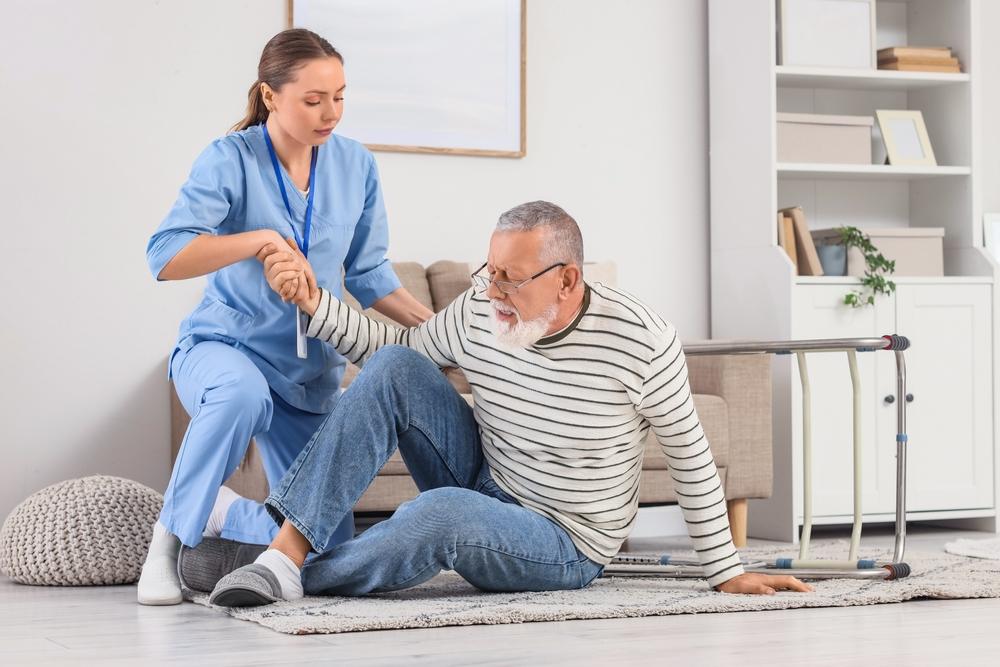
Key Takeaways Most nursing home falls happen during day and evening shifts, peaking between 4:00 PM and 8:00 PM. Nearly two-thirds of falls happen...

Key Takeaways Neglect includes bed sores, severe weight loss, untreated infections, and repeated falls without staff correction. Pennsylvania’s statute of limitations restricts how long...
Murray Stone Wilson | Nursing Home Abuse Attorneys works with Philadelphia families who notice a parent or grandparent growing withdrawn, anxious, or fearful around...
Need legal advice? Our experienced attorneys are here to help. Reach out today for a confidential consultation tailored to your needs.

100 Front Street Suite 1230
West Conshohocken, PA 19428
Phone: 215-515-0741
Fax: (610) 467-2881
 Call us at 215-947-5300
 Message Us
  Call Us