
free consultation
free consultation
Posted December 6, 2023 - by MSW Law Group
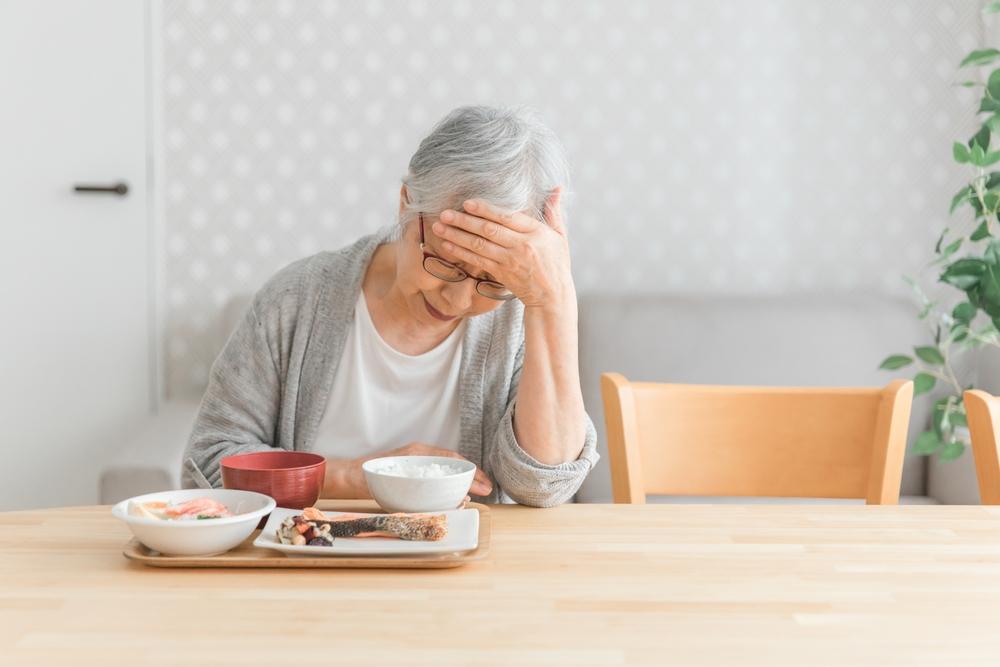
Nursing homes serve as a haven for our elderly loved ones, providing the much-needed care, companionship, and support they deserve. However, the sad reality is that nursing home abuse and neglect are becoming increasingly common, causing physical, emotional, and financial harm to the most vulnerable members of our society.
To protect our elderly loved ones and ensure their safety and well-being, it is crucial to be well-versed in recognizing the signs of abuse and neglect, adopting effective prevention strategies, and understanding the legal options available to victims and their families
At Murray, Stone & Wilson, we value the lives and dignity of our elderly clients, and we strive to provide them with the justice they deserve through our dedicated legal services. Continue reading to learn more.
Nursing home abuse and neglect are distressingly common occurrences, with millions of elderly Americans falling victim each year. Studies have revealed that around 1 in 10 Americans aged 60 and above have endured some form of elder abuse, while it is estimated that only 1 in 14 cases are reported to authorities.
The repercussions of such abuse and neglect on elderly individuals can be devastating and far-reaching, including physical harm, emotional traumatization, financial ruin, and even premature death.
Elderly individuals often suffer in silence due to fear, embarrassment, or cognitive impairments that limit their ability to recognize and vocalize their suffering. As such, it falls upon family members and caregivers to educate themselves on the signs of nursing home abuse and neglect and take appropriate action to protect their loved ones.
Detecting nursing home abuse and neglect requires keen observation and an understanding of the various forms of abuse that may be perpetrated. The manifestations of nursing home abuse and neglect can be classified into the following categories:
1. Physical abuse: This takes the form of intentional harm inflicted by a caregiver, such as slapping, hitting, pushing, or pinching. Signs of physical abuse may include unexplained injuries like bruises, fractures, or burns, as well as changes in behavior that indicate fear or unease around certain caregivers.
2. Emotional abuse: Emotional abuse encompasses verbal and non-verbal acts that cause psychological distress. This may include intimidation, threats, isolation, ridicule, or humiliation. Signs of emotional abuse may manifest as depression, anxiety, withdrawal, or mood swings in the victim.
3. Sexual abuse: Sexual abuse in nursing homes is any non-consensual sexual act or interaction perpetrated against the elderly by their caregivers. Signs may include unexplained sexually transmitted diseases, genital injuries, or difficulty sitting or walking.
4. Financial abuse: This type of abuse occurs when a caregiver exploits the elderly for their own financial gain. Signs of financial abuse may include missing money, valuables, or identity theft, as well as unusual account activity or changes in power of attorney.
5. Passive and active neglect: Passive neglect occurs when a caregiver unintentionally fails to provide adequate care, while active neglect is a deliberate act of withholding essential care. Some signs of neglect include poor hygiene, malnutrition, dehydration, bedsores, or inadequate medical care in the victim.
Preventing nursing home abuse and neglect begins with choosing a reputable and well-managed facility that prioritizes the safety and well-being of its residents. Factors to consider when selecting a nursing home include staff-to-resident ratios, staff training and qualifications, facility cleanliness, and positive reviews from current residents and their families. Part of that preparation also includes knowing items not allowed in nursing homes so families can avoid unintentionally creating safety risks during visits or when setting up a loved one’s room.
Regular communication with nursing home staff and frequent visits at varying times can help deter potential abuse or neglect while also allowing family members to monitor their loved one’s condition closely. Encouraging your loved one to participate in social activities and stay connected with friends and family can improve their mental health and potentially help them feel more comfortable discussing their concerns if abuse or neglect were to occur.
It is important to remember that nursing home residents have legal rights and protections, including the right to be free from abuse and neglect. If you suspect that your loved one is a victim of nursing home abuse or neglect, do not hesitate to report your concerns to the facility’s management, your state’s adult protective services agency, and the police if necessary.
In addition to filing formal complaints and working with regulatory agencies, seeking legal counsel is essential to navigate the complex legal process and advocate for your loved one’s rights effectively. An experienced nursing home abuse attorney, like those at Murray, Stone & Wilson, can assess your case, gather evidence, and develop a compelling strategy to hold the perpetrators accountable and secure compensation for damages suffered by your loved one.
Nursing home abuse and neglect are reprehensible and unacceptable violations of an elderly person’s dignity and rights. By familiarizing yourself with the signs of abuse, implementing prevention strategies, and being prepared to pursue legal action, you can safeguard your loved one’s well-being and get them the justice they deserve.
If you believe that your loved one may be suffering from nursing home abuse or neglect, don’t wait — contact the compassionate and dedicated nursing home abuse attorneys at Murray, Stone & Wilson for a consultation on your case!

This page has been written, edited, and reviewed by a team of legal writers following our comprehensive editorial guidelines. This page was approved by our team of attorneys, who have more than 50 years of combined legal experience in helping victims of nursing home abuse.
Key Takeaways Negligence arises when care lapses lead to harm and fall below accepted standards. A claim requires proof of duty, breach, causation, and...
Key Takeaways Physical abuse in nursing homes involves intentional force by staff, visitors, or other residents that causes injury or pain. Warning signs include...
Key Takeaways Most nursing home falls happen during day and evening shifts, peaking between 4:00 PM and 8:00 PM. Nearly two-thirds of falls happen...
Need legal advice? Our experienced attorneys are here to help. Reach out today for a confidential consultation tailored to your needs.

100 Front Street Suite 1230
West Conshohocken, PA 19428
Phone: 215-515-0741
Fax: (610) 467-2881
 Message Us
  Call Us