
free consultation
free consultation
Posted July 27, 2023 - by MSW Law Group
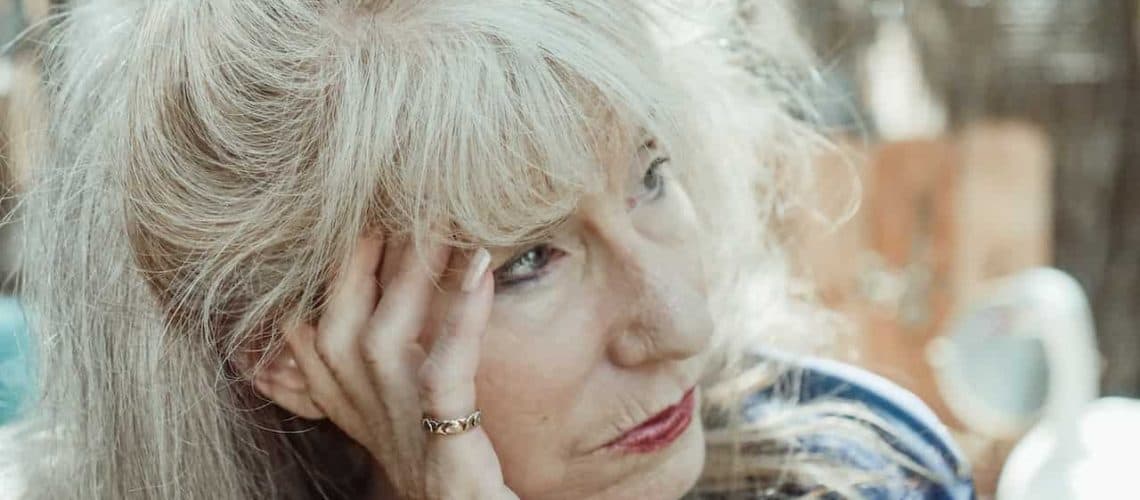
Placing a loved one in a nursing home or long-term care facility is a significant decision accompanied by a deep trust that those caring for our family members will treat them with dignity, respect, and the appropriate level of care. Unfortunately, instances of nursing home abuse and neglect are an alarming reality that often goes undetected or underreported. When that trust is broken, the consequences can be severe, resulting in physical, emotional, and financial tolls on the victims and their families.
In this blog post, we will discuss the various forms of nursing home abuse and neglect, provide insight into potential warning signs, and outline steps you can take if you suspect a loved one is being mistreated in their long-term care facility. By equipping ourselves with this knowledge, we can proactively advocate for the well-being of our loved ones and help ensure they receive the quality care they deserve.
Nursing home abuse and neglect can take many forms, including physical, emotional, sexual abuse, and financial exploitation, as well as neglect or abandonment on the part of caregivers. Identifying the warning signs of such mistreatment can be challenging, as they may be subtle or disguised. In some instances, victims may be too afraid or unable to communicate their experiences, making it crucial for family members and friends to be vigilant in their observations and interactions with their loved ones in long-term care.
As we explore the complexities of nursing home abuse and neglect, our aim is to empower individuals with the tools and resources needed to recognize potential problems and take decisive action in seeking justice, appropriate intervention, and protection for their loved ones. By raising awareness and fostering a proactive approach to addressing this deeply troubling issue, we can help create safer environments for those who are most vulnerable and dependent on the care and compassion of others.
To effectively recognize and address nursing home abuse and neglect, it’s crucial to understand the various forms it can take. The primary types of abuse and neglect include:
Recognizing the signs of nursing home abuse and neglect is a critical aspect of protecting your loved ones. Key warning signs to be aware of include:
If you notice any of these signs in your loved one, it’s essential to take immediate action and thoroughly investigate the situation.
If you suspect nursing home abuse or neglect, there are several critical steps to follow:
While nursing home abuse and neglect continue to be a concern, there are ways you can help safeguard your loved one’s well-being and ensure they receive quality care:
Nursing home abuse and neglect are troubling realities that no family wants to face. By understanding the various types of abuse and neglect, being vigilant in recognizing warning signs, and knowing the necessary steps to take in case of suspected mistreatment, we can help safeguard the welfare of our loved ones and ensure they receive the quality care they deserve. Should you suspect abuse or neglect or are already in the process of filing a nursing home abuse lawsuit, don’t hesitate to seek legal guidance from a law firm you can trust like Murray, Stone & Wilson. Together, we can work towards creating safer environments for our aging population and fostering a culture of compassion, dignity, and respect for those in our care.

This page has been written, edited, and reviewed by a team of legal writers following our comprehensive editorial guidelines. This page was approved by our team of attorneys, who have more than 50 years of combined legal experience in helping victims of nursing home abuse.

When families place a loved one in a nursing home, they trust the facility to protect far more than physical health. Financial abuse in...

Finding Trustworthy Care Through Federal Ratings When your loved one needs nursing home care, choosing the right facility can feel overwhelming. For many families,...

Finding Safe, Quality Nursing Home Care for Your Loved One When your elderly parent can no longer live independently, finding a quality nursing home...
Need legal advice? Our experienced attorneys are here to help. Reach out today for a confidential consultation tailored to your needs.

100 Front Street Suite 1230
West Conshohocken, PA 19428
Phone: 215-515-0741
Fax: (610) 467-2881
 Message Us
  Call Us