
free consultation
free consultation
Posted July 7, 2026 - by MSW Law Group
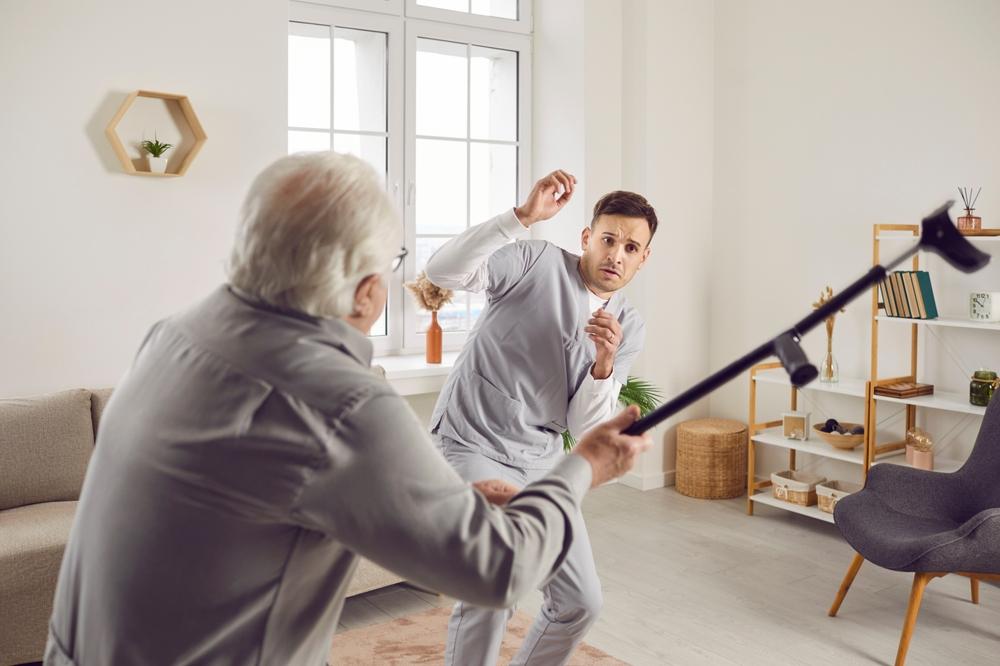
Murray, Stone & Wilson, PLLC | Nursing Home Abuse Attorneys represents Philadelphia families who have watched a loved one get hurt inside a facility that failed to manage its own environment safely. The question of “What do nursing homes do with violent patients?” is one families rarely think to ask until something goes wrong.
Facilities carry a duty to protect every resident, and how they respond to aggression, or fail to, determines whether a Philadelphia nursing home abuse lawyer has grounds to pursue accountability.
Don’t wait if something feels wrong. Our legal team can review your situation, explain your options, and help you take immediate action to protect your family.
Aggressive behavior in a nursing home resident rarely appears without an underlying cause. According to the National Institutes of Health, pain is one of the most significant medical triggers of aggression. A resident in unmanaged pain may strike out in response to unbearable discomfort, and that kind of suffering is preventable when facilities respond to changing conditions consistently.
The picture becomes more complicated when dementia is involved. Residents with Alzheimer’s disease and similar conditions gradually lose the mental ability that helps people make sound decisions and control their impulses, creating real danger when facilities fail to adjust care plans accordingly.
Common causes of aggressive behavior in nursing home residents include:
Nursing homes are expected to follow a step-by-step process when a resident displays aggression, starting with the least disruptive response and escalating only when necessary. Unmanaged pain, a medication change, or an unfamiliar environment can all push a vulnerable person toward aggression, and identifying the cause shapes everything that follows.
When those measures prove insufficient, facilities may involve psychiatric professionals or adjust medication under physician supervision. Federal and state regulations heavily restrict the use of physical restraints, as they frequently increase agitation and introduce new injury risks. If a resident’s needs genuinely exceed what the facility can safely manage, transfer to a specialized memory care unit, or in serious cases, a formal removal under Pennsylvania’s legal requirements, may follow.
The line between managing an aggressive resident and abusing one is not always visible from the outside, which is precisely why families need to pay attention. According to the World Health Organization, 2 in 3 staff in nursing homes and long-term care facilities reported committing some form of abuse in the past year. That figure is not an anomaly. It reflects a systemic problem inside the very institutions families trust to protect their loved ones.
Staff who respond to aggression with excessive physical force, retaliatory isolation, or sedation beyond what a physician has prescribed may be committing abuse, not providing care. A resident restrained without clinical justification, left alone as a form of punishment, or medicated to the point of sedation for staff convenience has been harmed, regardless of how the facility documents the incident. Recognizing the warning signs of nursing home abuse early is what allows families to intervene before the harm escalates.
free consultation
Families who come to us asking “what do nursing homes do with violent patients?” are often surprised to learn that the answer to that question is already documented in the facility’s own files. When a facility mishandles an aggressive resident and someone is hurt, Pennsylvania law provides a path to accountability. That accountability can extend to the facility itself, not only individual staff members, when systemic failures such as chronic understaffing, inadequate training, or ignored care protocols contributed to the harm.
Families may pursue claims for physical injuries caused by improper restraint, harm resulting from excessive or unauthorized medication, and injuries suffered by other residents who were not protected. When mismanagement leads to fatal consequences, wrongful death claims may also be available.
When a Philadelphia nursing home responds to aggression with abuse, neglect, or reckless disregard for a resident’s safety, families deserve answers and accountability. Murray, Stone & Wilson, PLLC | Nursing Home Abuse Attorneys is ready to review what happened and help you understand your legal options.
Call (215) 947-5300 today to schedule a free consultation with a Philadelphia nursing home abuse lawyer and take the first step toward protecting your loved one.
William P. Murray, III is a Tampa-based Shareholder with over 15 years of experience representing victims of nursing home abuse, corporate fraud, trucking accidents, and catastrophic injuries. He earned his Juris Doctor from American University’s Washington College of Law, where he received the Mooers’ Trophy for excellence in trial practice, and has served as both a trial lawyer and managing attorney at a national firm before co-founding Murray, Stone & Wilson, PLLC. Recognized as a Super Lawyers Rising Star in Pennsylvania and Florida.
Speak with an experienced attorney about your case today.

This page has been written, edited, and reviewed by a team of legal writers following our comprehensive editorial guidelines. This page was approved by our team of attorneys, who have more than 50 years of combined legal experience in helping victims of nursing home abuse.
Key Takeaways Most nursing home falls happen during day and evening shifts, peaking between 4:00 PM and 8:00 PM. Nearly two-thirds of falls happen...

Key Takeaways Neglect includes bed sores, severe weight loss, untreated infections, and repeated falls without staff correction. Pennsylvania’s statute of limitations restricts how long...
Murray Stone Wilson | Nursing Home Abuse Attorneys works with Philadelphia families who notice a parent or grandparent growing withdrawn, anxious, or fearful around...
Need legal advice? Our experienced attorneys are here to help. Reach out today for a confidential consultation tailored to your needs.

100 Front Street Suite 1230
West Conshohocken, PA 19428
Phone: 215-515-0741
Fax: (610) 467-2881
 Call us at 215-947-5300
 Message Us
  Call Us