Work with an experienced law firm that will fight for you. Contact us today.

Understanding Premises Liability and Preventing Slip & Fall Accidents

Slip and fall accidents are a common cause of personal injury claims and can occur in various locations, from commercial establishments to private properties. In many cases, these accidents may have been preventable if property owners had taken necessary precautions to ensure the safety of their premises. Understanding premises liability and promoting awareness about potential hazards can help prevent these incidents, making both public and private spaces safer for everyone.

At Murray, Stone & Wilson, our legal team has extensive experience in handling cases involving premises liability, including slip and fall accidents, nursing home abuse and neglect, medical malpractice, motor vehicle accidents, trucking accidents, and wrongful death. In this informative blog post, we will discuss premises liability, the obligations property owners have to ensure the safety of their premises, and practical measures that can help prevent slip and fall accidents.

Premises liability is a legal concept that holds property owners responsible for accidents or injuries that occur on their property due to unsafe conditions or negligence. When a person is injured in a slip and fall accident, they may be entitled to seek compensation for their injuries if the property owner failed to maintain a safe environment or adequately warn against potential hazards.

To successfully pursue a premises liability claim, the injured party must prove that the property owner was aware of, or should have been aware of, the dangerous conditions, but failed to take appropriate action to address them. Understanding the responsibilities of property owners and the rights of individuals who suffer injuries due to negligence is essential for both ensuring safer environments and seeking justice if an accident occurs.

Implementing Preventative Measures for Property Owners

1. Regularly Inspect and Maintain the Property

Property owners should conduct routine inspections to identify and address any potential hazards. This includes fixing uneven flooring, repairing damaged stairs or handrails, and ensuring that pathways and walkways are clear of debris. By proactively maintaining their property, property owners can minimize risks and promote a safer environment for all.

2. Ensure Proper Lighting

Inadequate lighting can significantly increase the risk of slip and fall accidents. Property owners should ensure that all areas, including entrances, exits, walkways, and stairwells, are well-lit. Timers and motion-sensor lighting can be particularly useful in outdoor spaces to automatically keep areas illuminated and safe during nighttime hours.

3. Utilize Signage and Barricades for Temporary Hazards

When a temporary hazard arises, such as a liquid spill or a recently mopped floor, property owners should utilize signage or barricades to warn individuals of potential dangers. This can help prevent slip and fall accidents on wet surfaces and demonstrate the property owner’s due diligence in addressing hazards.

4. Address Weather-Related Hazard

Weather-related hazards, such as snow, ice, or standing water, can create treacherous conditions for those navigating a property. Property owners should promptly clear snow and ice from entrances, exits, and walkways, as well as utilize mats, signs, or other safety measures to prevent slip and fall accidents in wet or slippery areas.

Identifying Common Slip-and-Fall Hazards

1. Uneven Surfaces

Uneven surfaces, such as cracked pavement, damaged flooring, or loose carpets, can pose significant risks for slip and fall accidents. Property owners should address these issues promptly to minimize the potential for injuries.

2. Wet or Slippery Floors

Liquid spills, recent floor cleaning, or weather-related wetness can create hazardous walking conditions. Utilizing proper signage, mats, or other safety measures can help prevent accidents in these situations.

3. Cluttered Walkways

Obstructed walkways, caused by debris, boxes, or other items, can significantly increase the chance of a slip and fall accident. Property owners should prioritize keeping pathways clear and uncluttered to ensure safe navigation for all individuals.

4. Poorly Designed or Damaged Staircases

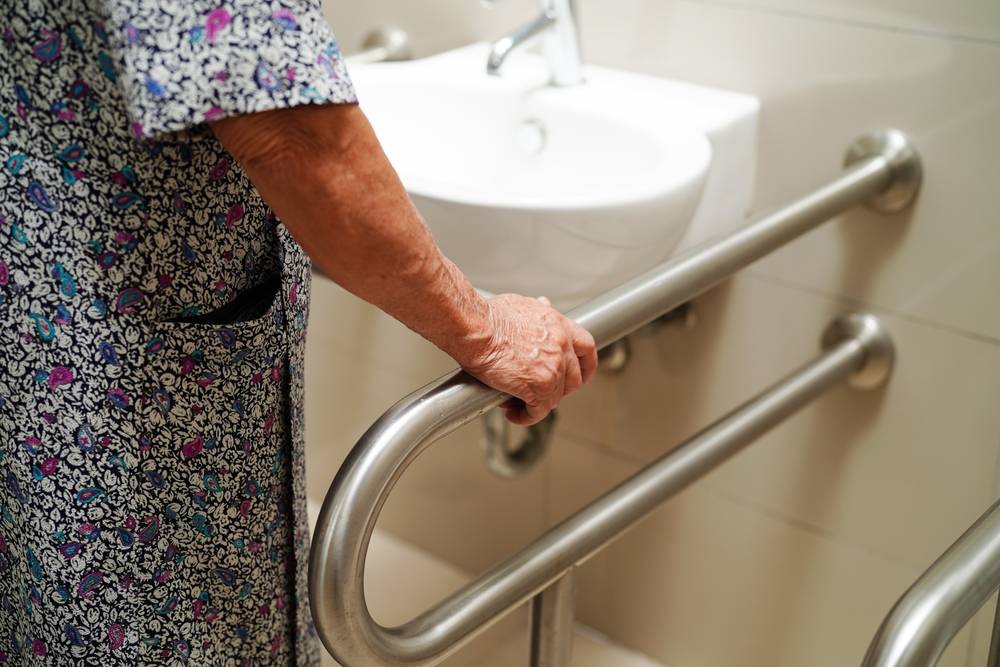
Staircases that lack handrails, have uneven steps, or are otherwise poorly designed can be dangerous for those using them. Property owners should ensure that staircases meet safety standards and are free of defects or damage to minimize the risk of accidental falls.

Conclusion:

Premises liability plays a crucial role in maintaining safe environments for the public, as well as holding property owners accountable for negligence that leads to slip and fall accidents. By implementing preventative measures and promoting awareness of potential hazards, we can make our communities safer places to live, work, and visit.

If you or a loved one have suffered a slip and fall accident due to a property owner’s negligence, it is essential to seek legal guidance in pursuing compensation for your injuries. The experienced attorneys at Murray, Stone & Wilson will work diligently on your behalf to ensure you receive the support and justice you deserve. 

Contact us today for a free consultation and allow our knowledgeable team to evaluate your case and protect your legal rights.

Meet Our Attorneys

Contact Us

Skyline of a city at dusk with illuminated skyscrapers and a river in the foreground; a pedestrian bridge spans the water, and trees line the riverbank.

Get A Free Consultation

Need legal advice? Our experienced attorneys are here to help. Reach out today for a confidential consultation tailored to your needs.