
free consultation
free consultation
Posted September 9, 2026 - by MSW Law Group

Families across Pittsburgh often notice something is wrong before anyone else does: an aging parent who stops bathing, skips meals, or lets mail pile up unopened. This condition, known as self neglect elderly, occurs when an older adult can no longer meet basic needs for food, hygiene, medication, or safety, often tied to cognitive decline, depression, or a physical illness that makes daily care difficult.
If nobody steps in, it can become life-threatening, and when it occurs among nursing home residents, many turn to a Pittsburgh nursing home abuse lawyer to determine whether the facility ignored clear signs of decline. Murray, Stone & Wilson, PLLC | Nursing Home Abuse Attorneys works with Pittsburgh families to answer that question and pursue accountability when a facility’s inaction contributed to a resident’s harm.
Don’t wait if something feels wrong. Our legal team can review your situation, explain your options, and help you take immediate action to protect your family.
Self neglect elderly describes a condition in which an older adult becomes unwilling or unable to meet basic needs such as food, hygiene, medication, or personal safety. It often develops alongside dementia, depression, or physical decline, and research links it to a significantly higher risk of premature death.
Under the Older Adults Protective Services Act, self-neglect is defined as the failure to provide oneself with the food, medicine, or care necessary to avoid a clear and serious threat to physical or mental health. Inside a nursing home, staff must recognize these warning signs and respond. A resident’s decline is not just part of aging.
Warning signs are easy to miss until they become severe, and residents often hide how much they are struggling. Common indicators include:
When a nursing home resident shows several of these signs at once, the pattern points to broader neglect, not a single bad day, and staff has a duty to document and respond.
Catching the risk early matters, since a facility often has more chances to notice trouble than family members do.
A nursing home resident can refuse medication, bathing assistance, or a specific care plan, but a facility still cannot treat that refusal as a reason to stop keeping an eye on a declining resident. Whether the resident understands the consequences of their decision is often the deciding factor.
A resident with dementia may refuse help without truly grasping what that refusal means, and ongoing signs of self neglect elderly still call for facility attention. A single refusal does not excuse abandonment.
Family members and friends are often the first to notice self-neglect before it becomes dangerous. Regular visits, direct questions about medication schedules, and attention to changes in hygiene or mood often reveal problems long before a facility acknowledges them.
Anyone who suspects a nursing home is allowing self-neglect to continue can report the situation to the Pennsylvania Department of Aging’s 24-hour Elder Abuse Helpline at 1-800-490-8505. Filing a report creates an official record. The local Area Agency on Aging investigates these reports, and that documentation can become important if a legal claim follows.
Intervention gets harder when a resident will not admit how bad things have gotten, or fears losing their independence. Dementia complicates things further, since some residents can seem more capable than they really are during a short family visit. Facilities still have a duty to act, even when a resident resists help.
The Pennsylvania Department of Health licenses and regulates nursing homes statewide to ensure residents receive safe care, and that obligation does not end simply because a resident said no.
When a nursing home overlooks the signs of self neglect elderly among its elderly residents, families want to know whether the facility is responsible. Murray, Stone & Wilson, PLLC | Nursing Home Abuse Attorneys investigates whether a Pittsburgh facility failed to recognize or respond to a resident’s decline. Call (412) 516-6000 today for a free consultation with a Pittsburgh nursing home abuse lawyer and learn what legal options may be available to your family.
Erica C. Wilson earned her B.A. from Boston College, where she was inducted into the Order of the Cross and Crown for academic excellence, leadership, and service. She received her J.D. from Temple University Beasley School of Law, where she was a member of the Temple Law Review and earned “Outstanding Oral Advocacy” honors in three trial advocacy seminars. She later served as an Assistant District Attorney in Philadelphia before representing victims of nursing home abuse and neglect at a national plaintiff’s firm and co-founding Murray Stone & Wilson, PLLC. Erica focuses her practice on nursing home abuse, wrongful death, and catastrophic injury litigation, including complex cases involving neglect, invasion of privacy, and sexual abuse.

This page has been written, edited, and reviewed by a team of legal writers following our comprehensive editorial guidelines. This page was approved by our team of attorneys, who have more than 50 years of combined legal experience in helping victims of nursing home abuse.
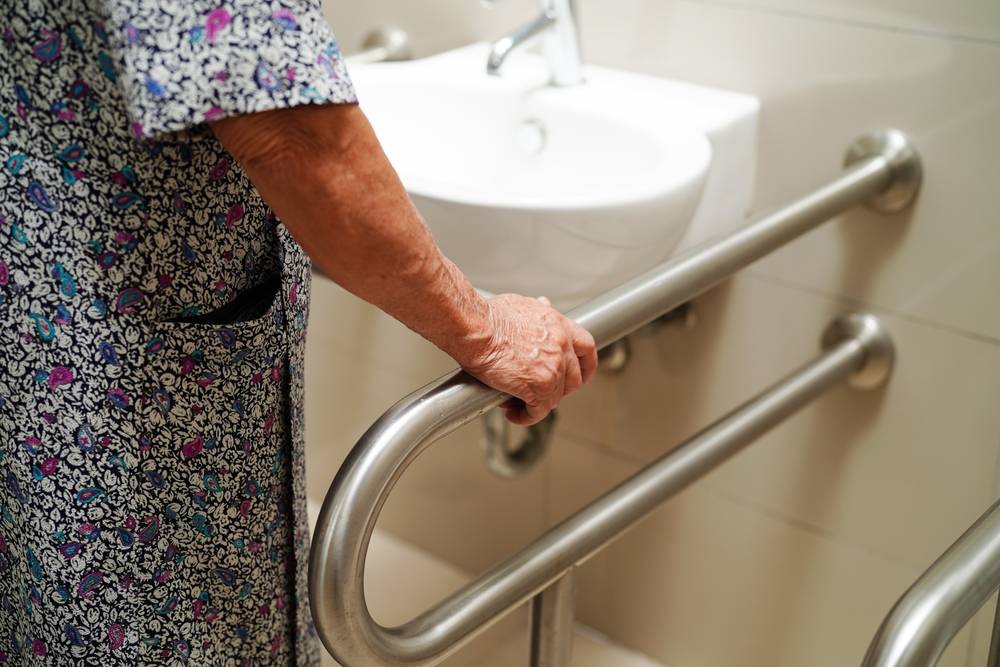
Key Takeaways Pennsylvania nursing homes typically bathe residents two to three times weekly, plus daily hygiene support. No state or federal law sets an...
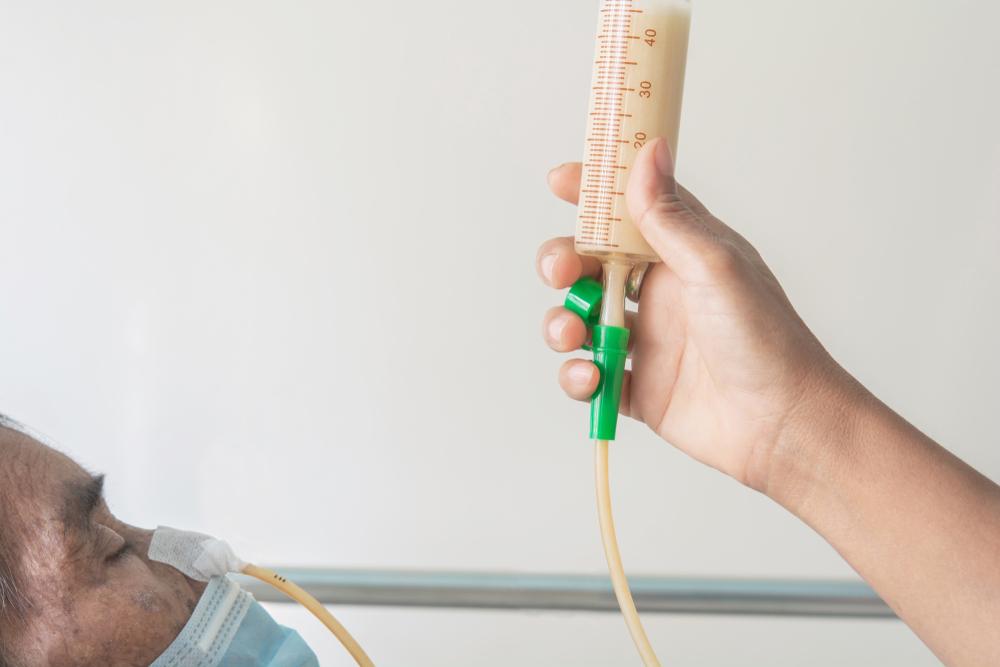
Key Takeaways Skilled nursing facilities in Philadelphia are licensed to manage feeding tubes, unlike assisted living or personal care homes. Feeding tubes include the...

Key Takeaways Assisted living supports independence with daily task help, while nursing homes provide 24-hour medical supervision. Pennsylvania licenses nursing homes through the Department...
Need legal advice? Our experienced attorneys are here to help. Reach out today for a confidential consultation tailored to your needs.

100 Front Street Suite 1230
West Conshohocken, PA 19428
Phone: 215-515-0741
Fax: (610) 467-2881
 Call us at 215-947-5300
 Message Us
  Call Us