free consultation
free consultation
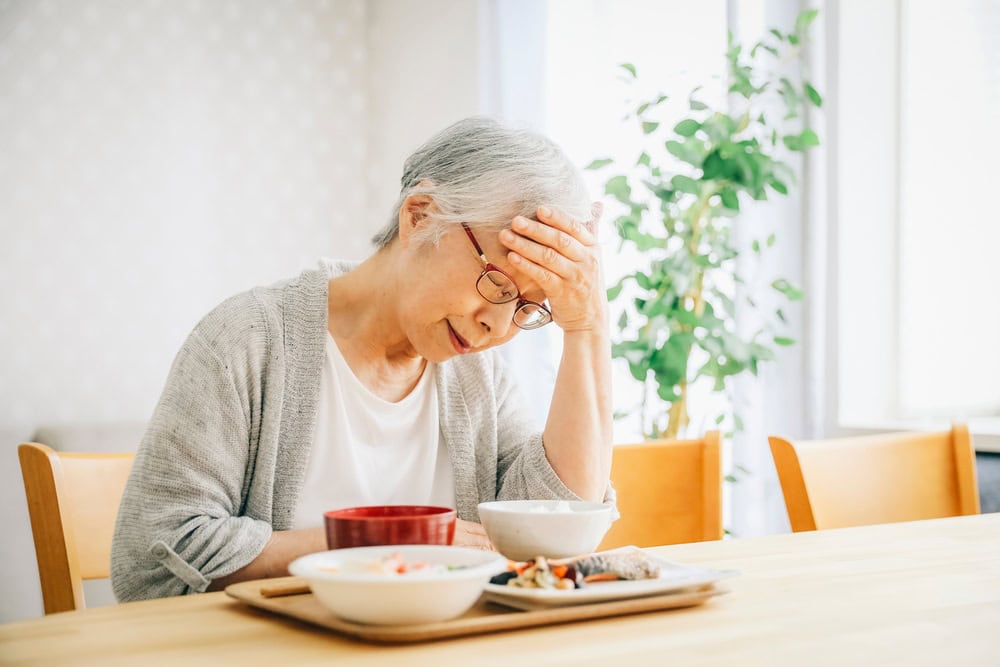
Every meal a nursing home serves has consequences for a resident’s health. Yet when inadequate nutrition, hydration, or dietary supervision allows malnutrition in nursing homes to develop, the damage can be devastating and often entirely preventable. This is not a minor issue, as federal data from the Administration for Community Living reveals that nearly one in two older adults faces malnutrition risk, placing nursing home residents among the most vulnerable populations.
The effects are severe and swift, including rapid weight loss, exhaustion, infections, pressure ulcers, and heightened mortality risk. Murray, Stone & Wilson, PLLC | Nursing Home Abuse Attorneys helps families across Pennsylvania hold facilities accountable when nutritional failures reveal systemic care breakdowns rather than the inevitable decline of aging.
Several interconnected failures contribute to malnutrition in nursing homes, many of which expose facilities to serious personal injury liability. Residents with medical complexity or limited mobility face greater risk when nursing homes fail to provide consistent oversight.
When these breakdowns occur together, nutritional neglect rarely happens in isolation and often signals broader failures in resident care and safety.
Families often recognize nutritional decline before nursing homes admit a problem. Changes in weight, energy, and eating behavior usually appear first and serve as early warnings of unmet care needs. Identifying these signs quickly becomes critical because it helps protect residents from worsening injury and long-term health damage.
Physical manifestations vary based on cause and duration, but certain patterns emerge consistently. According to MedlinePlus, fatigue and unintended weight reduction remain the most common symptoms of malnutrition, often appearing with sudden weakness, dizziness, dehydration, and brittle hair. Skin breakdown, slow-healing wounds, and recurring infections follow, suggesting compromised immunity. These signs demand immediate medical evaluation rather than dismissal as normal aging.
Behavioral decline often accompanies nutritional neglect and reveals deeper harm. Residents may withdraw socially, show irritability, confusion, or worsening depression, or lose interest in daily activities. Consequences connected to malnutrition include a significantly higher mortality rate along with increased incidence of infections and chronic wounds. Cognitive deterioration frequently accelerates when the brain lacks essential nutrients, which intensifies dementia symptoms and impairs communication.
Untreated medical conditions frequently drive nutritional injury inside nursing homes and create cascading harm. Signs to monitor include ongoing lethargy, visible muscle loss, substantial weight fluctuations, and repeated refusal or inability to eat. Swallowing disorders, unmanaged diabetes, gastrointestinal illness, and medication interactions require coordinated care to address properly. When facilities ignore these conditions, preventable injury progresses unchecked.
Pennsylvania law grants nursing home residents enforceable rights related to nutrition, hydration, and medical oversight. Facilities must meet established standards of care by monitoring dietary intake, adjusting care plans as conditions change, and responding when residents show signs of nutritional decline. These rights include access to adequate nutrition, hydration, and medical oversight necessary to maintain health and prevent harm.
When malnutrition in nursing homes leads to injury, families may pursue personal injury claims seeking compensation for medical treatment, physical pain, emotional suffering, and lasting health consequences. Reporting concerns to the Pennsylvania Department of Health creates an official record and helps preserve critical evidence for potential legal action. Many claims involve failures related to supervision, feeding assistance, medical evaluation, and documentation, all of which place resident safety at risk and may establish facility negligence.
Murray, Stone & Wilson, PLLC | Nursing Home Abuse Attorneys represent Pennsylvania families facing malnutrition in nursing homes linked to neglect. Our team examines records, staffing practices, and medical decisions to protect residents and pursue justice. Contact us today for a free consultation to discuss concerns and take action before further harm occurs.

This page has been written, edited, and reviewed by a team of legal writers following our comprehensive editorial guidelines. This page was approved by our team of attorneys, who have more than 50 years of combined legal experience in helping victims of nursing home abuse.
Key Takeaways Self neglect elderly describes an older adult unable or unwilling to meet basic needs like food, hygiene, and medication. Warning signs include...
Key Takeaways Pennsylvania nursing homes typically bathe residents two to three times weekly, plus daily hygiene support. No state or federal law sets an...
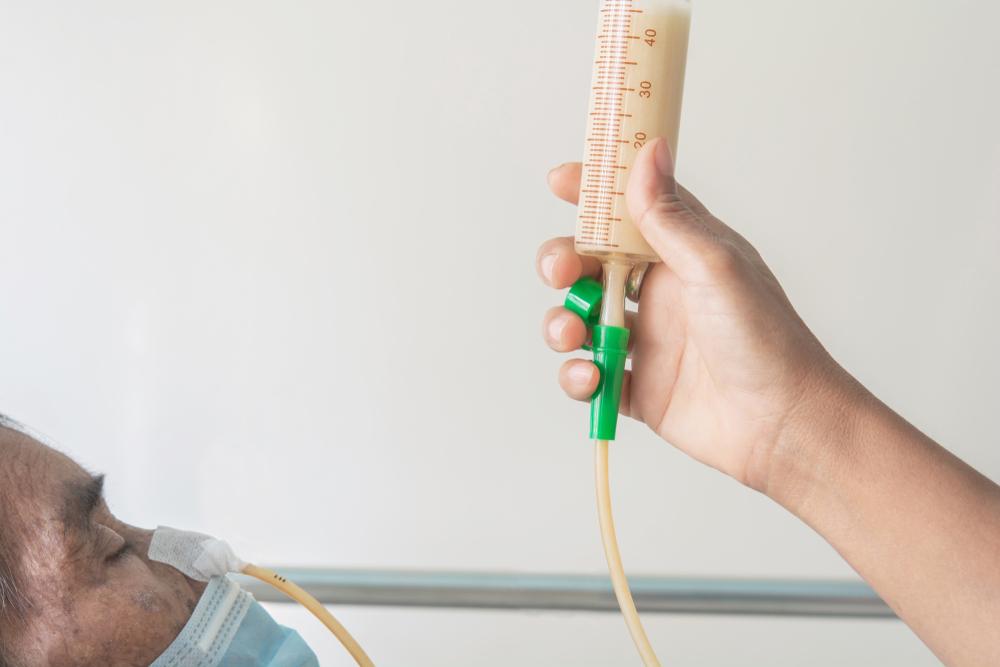
Key Takeaways Skilled nursing facilities in Philadelphia are licensed to manage feeding tubes, unlike assisted living or personal care homes. Feeding tubes include the...
Need legal advice? Our experienced attorneys are here to help. Reach out today for a confidential consultation tailored to your needs.
100 Front Street Suite 1230
West Conshohocken, PA 19428
Phone: 215-515-0741
Fax: (610) 467-2881
 Message Us
  Call Us