
free consultation
free consultation
as seen on





Every dose given incorrectly in a nursing home carries real consequences for a resident already dependent on others for basic care. Nursing home medication...
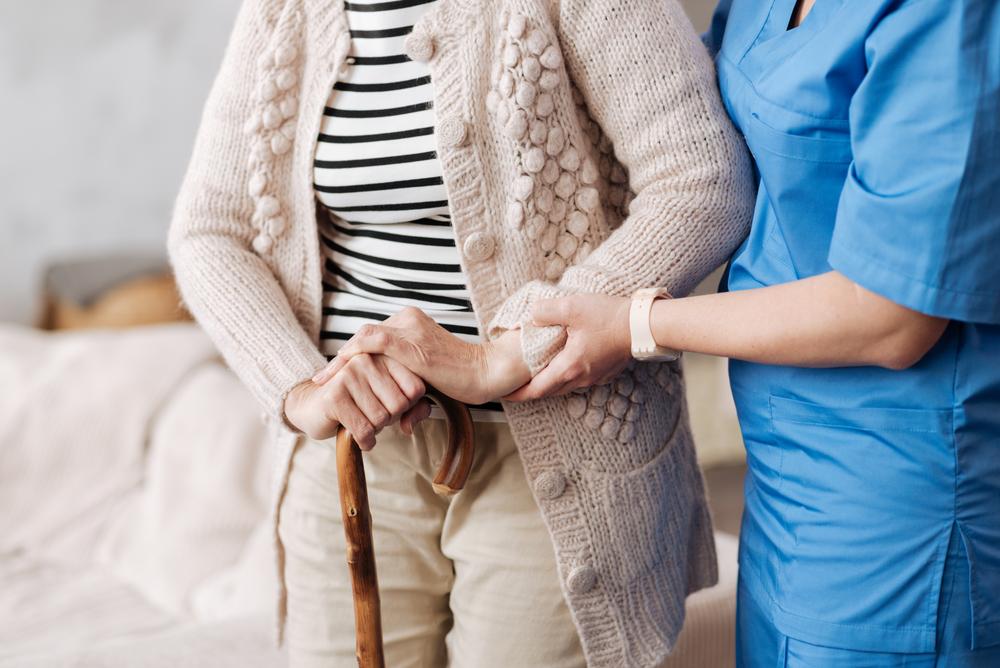
Key Takeaways Self neglect elderly describes an older adult unable or unwilling to meet basic needs like food, hygiene, and medication. Warning signs include...
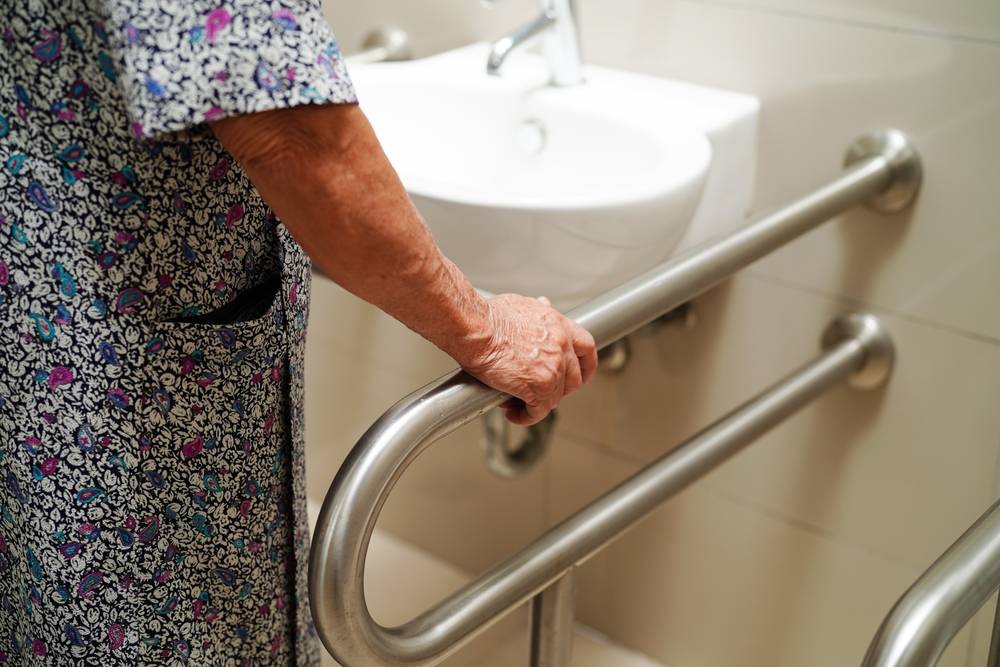
Key Takeaways Pennsylvania nursing homes typically bathe residents two to three times weekly, plus daily hygiene support. No state or federal law sets an...
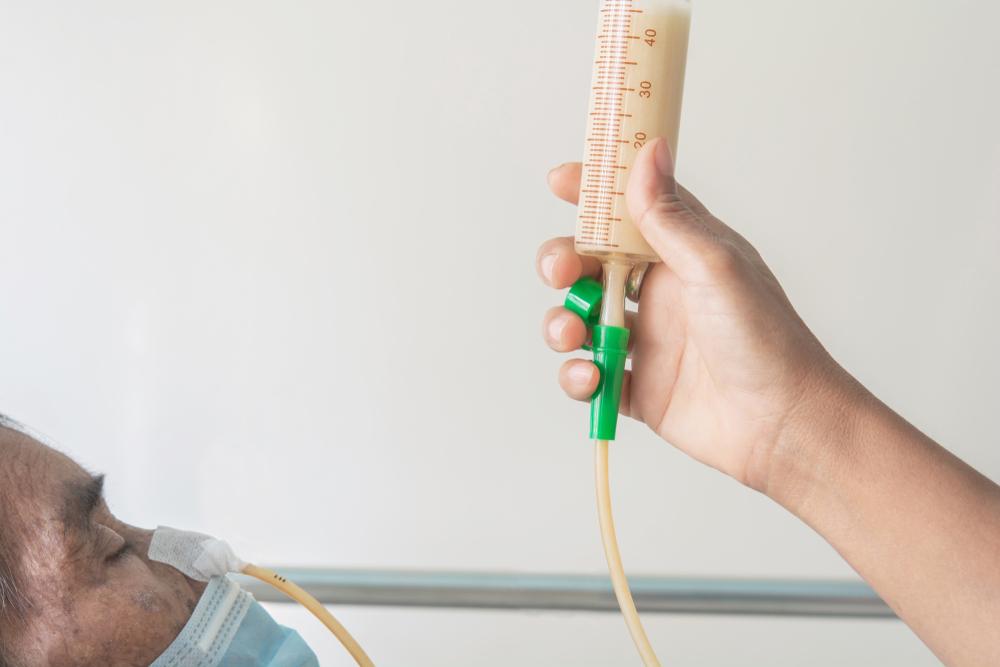
Key Takeaways Skilled nursing facilities in Philadelphia are licensed to manage feeding tubes, unlike assisted living or personal care homes. Feeding tubes include the...

Key Takeaways Assisted living supports independence with daily task help, while nursing homes provide 24-hour medical supervision. Pennsylvania licenses nursing homes through the Department...

When a nursing home resident dies under circumstances suggesting neglect or abuse, families are often left with more questions than answers. Many Pittsburgh families...
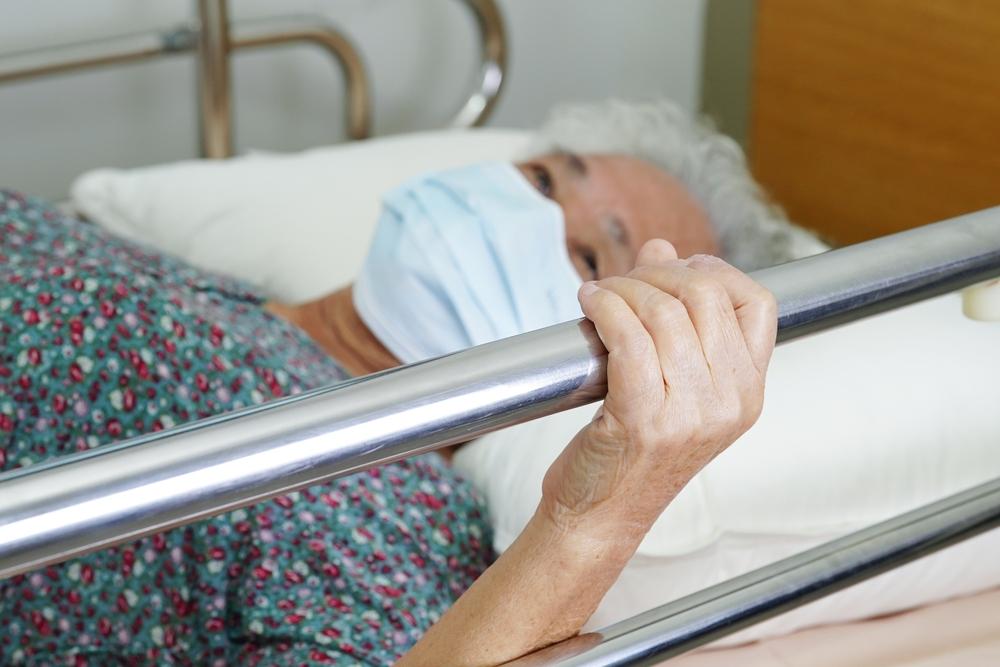
Key Takeaways Bed rails are classified as physical restraints under federal and Pennsylvania regulations. Their use requires a physician’s order, informed consent, and documentation...

Key Takeaways Nearly 20 states have passed explicit laws permitting cameras in nursing home rooms to protect residents. Most state laws require written consent...
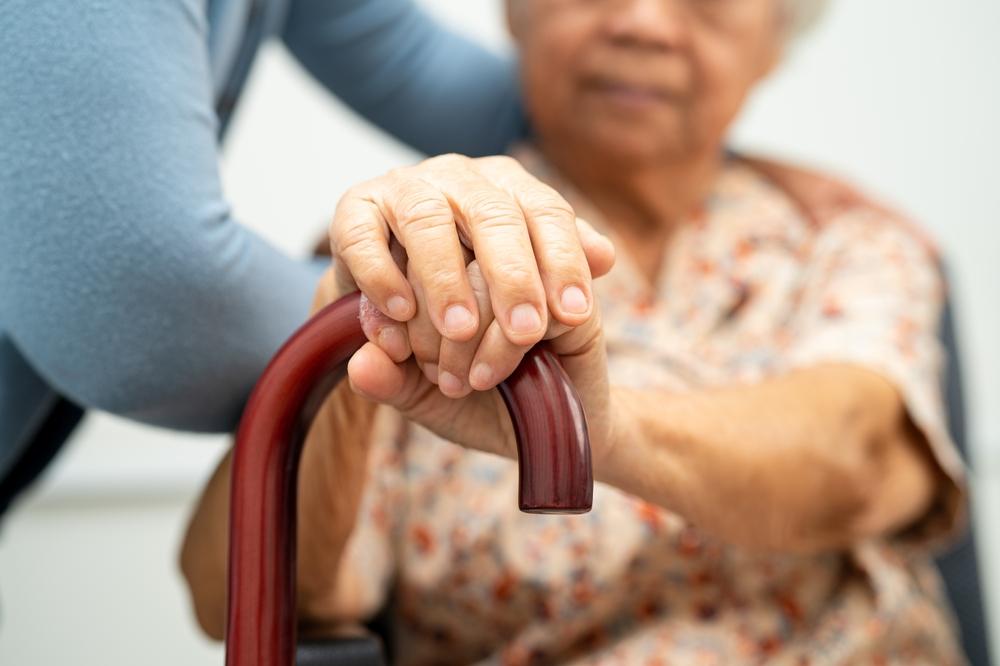
Key Takeaways In Philadelphia, the average nursing home stay ranges from one to two years, varying by care type and individual health. Short-term rehabilitation...

Key Takeaways Nursing homes in Pittsburgh provide 24-hour medical supervision for residents who cannot safely live independently at home. Pennsylvania law requires all nursing...
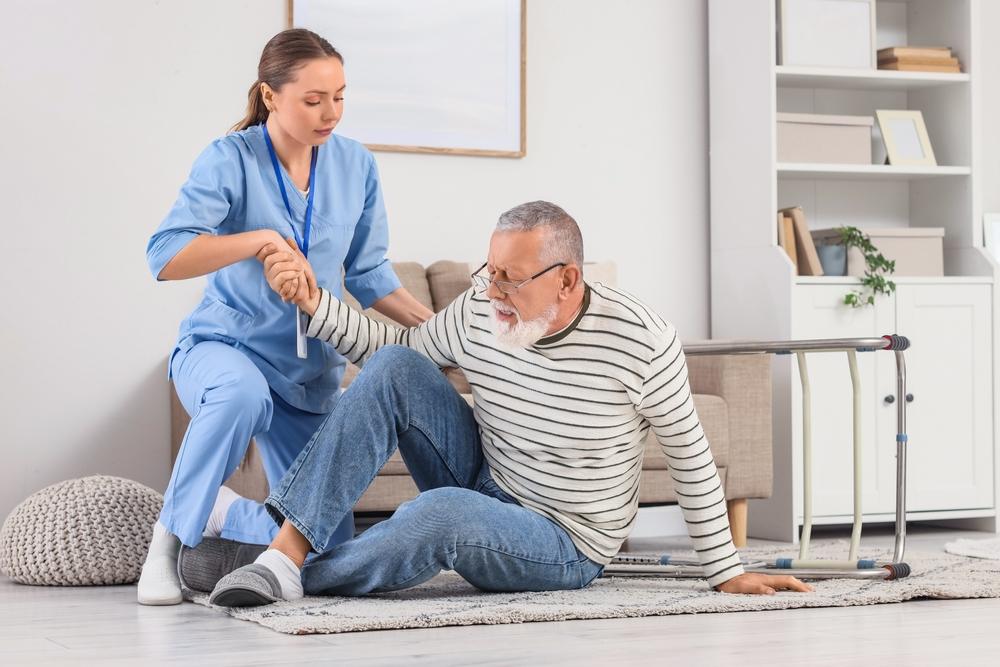
Key Takeaways Most nursing home falls occur during shift changes, overnight hours, and the first 72 hours after admission. Morning routines and mealtimes create...
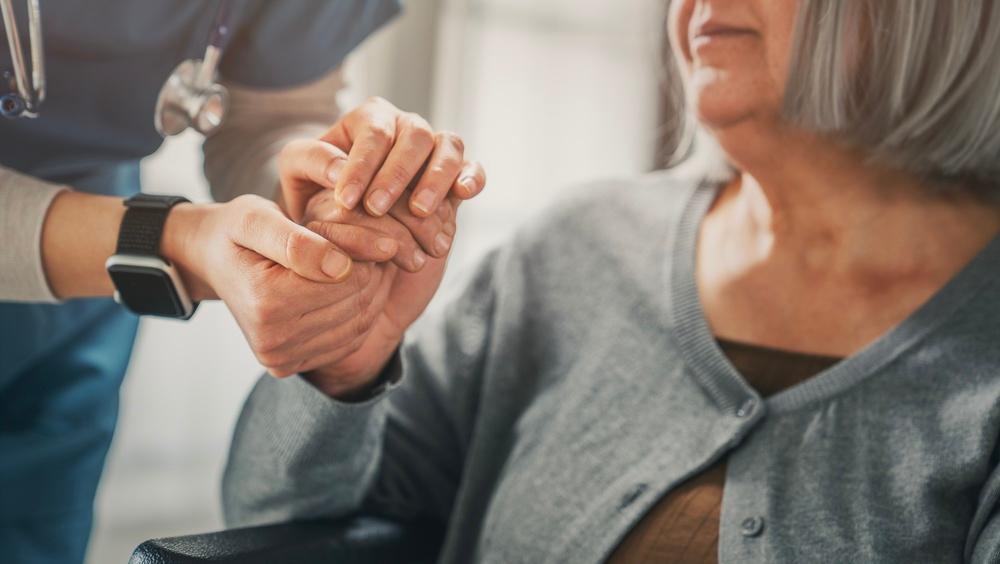
Key Takeaways Nursing homes provide 24/7 residential care for chronic conditions; hospice focuses on comfort for terminal illness. Hospice is a service, not a...
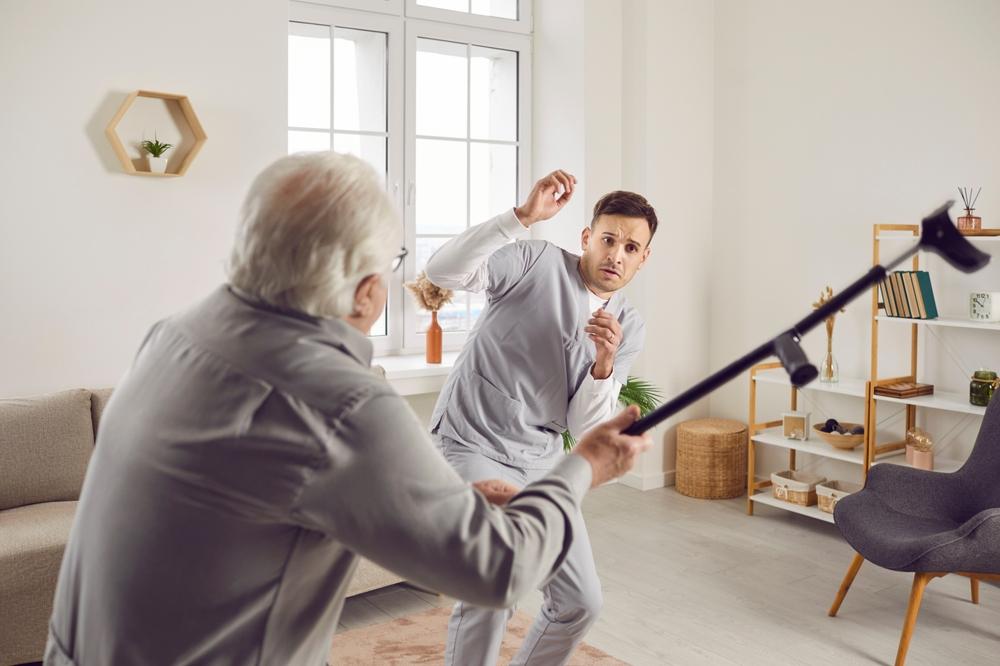
Key Takeaways Aggressive behavior in nursing homes often traces to untreated pain, dementia, or medication side effects rather than intentional conduct. Facilities must identify...
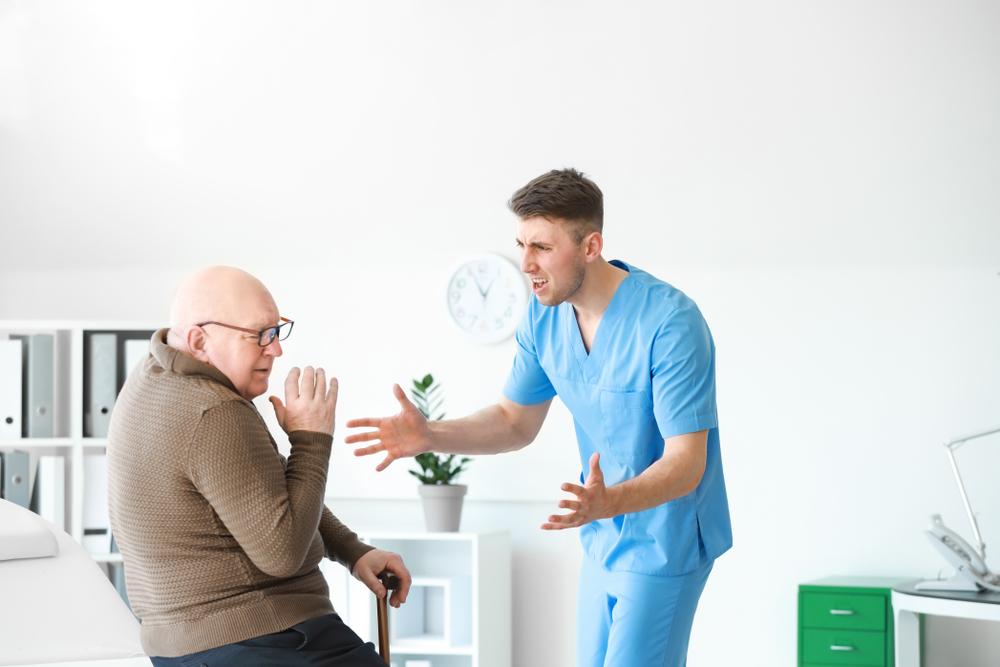
Key Takeaways Nursing home abuse covers physical harm, emotional mistreatment, verbal attacks, psychological manipulation, neglect, medical neglect, medication errors, emotional isolation, basic needs deprivation,...
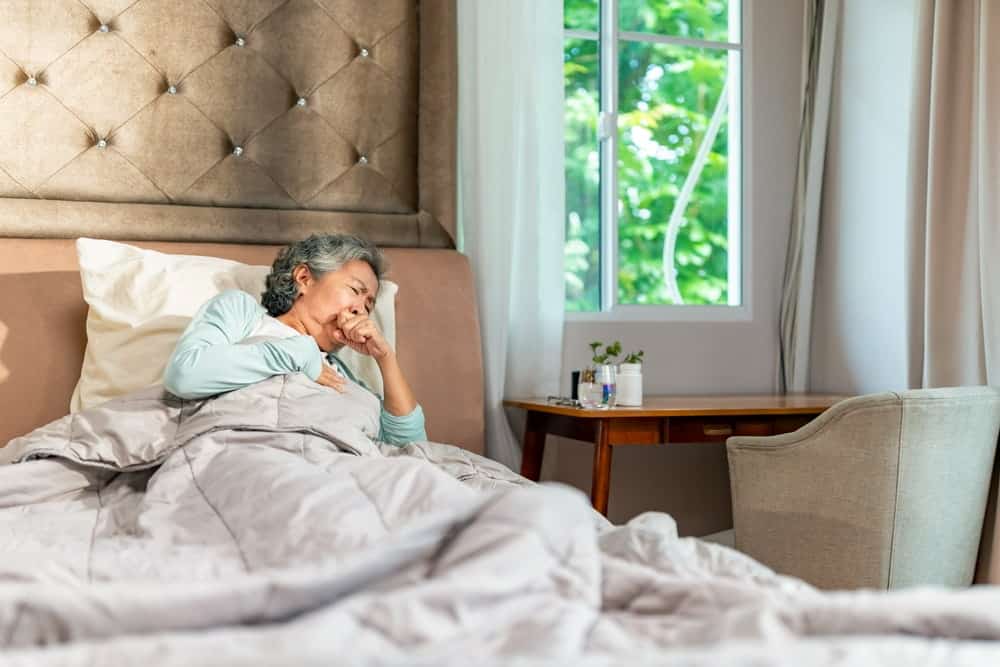
Key Takeaways Bedsores develop when prolonged pressure reduces blood flow to skin tissue. Early bedsores appear as persistent discoloration on areas near bones. Bedsores...
Need legal advice? Our experienced attorneys are here to help. Reach out today for a confidential consultation tailored to your needs.

100 Front Street Suite 1230
West Conshohocken, PA 19428
Phone: 215-515-0741
Fax: (610) 467-2881
 Message Us
  Call Us