free consultation
Car accidents can be a frightening experience, leaving everyone involved in a state of shock and confusion. Knowing what to do immediately after a collision can make a significant difference in ensuring your safety and helping others around you. Our goal is to provide clear, actionable steps that you can take to protect yourself and others in the aftermath of a car accident.
The first moments following an accident are crucial. You need to assess your own condition and the condition of others in the vehicle and then take steps to call for help if needed. It’s important to stay calm and focused, as your actions can impact your well-being and the safety of others at the scene. By understanding these steps, you can be better prepared to handle the situation effectively.
Additionally, securing the accident scene is essential to prevent further harm and ensure the safety of everyone involved. This includes setting up warning signals and moving to a safer location if possible. Gathering necessary information and reporting the accident to the authorities are also important steps that help manage the situation and facilitate any future legal or insurance processes.
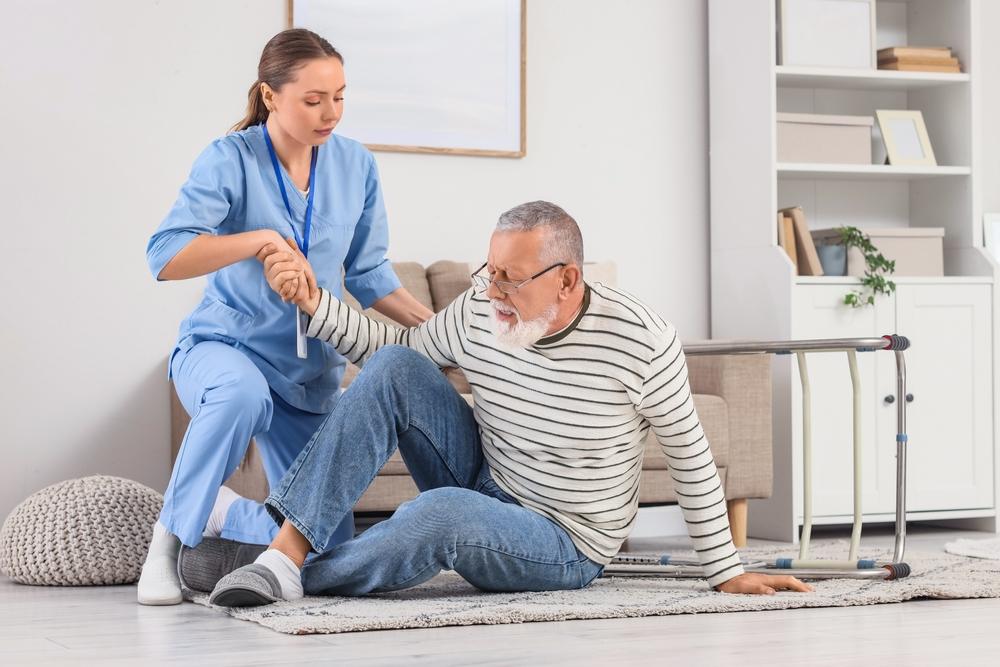
The first thing to do after a personal injury accident is to check for injuries. Whether it’s a car accident, a fall, or any other incident, it’s important to see if you or anyone else is hurt. Look for signs of bleeding, broken bones, or other serious injuries. If someone is injured, do not move them unless they are in immediate danger, as this could make the injuries worse. Checking for consciousness and breathing is essential.
Once injuries are assessed, call for help immediately. Dial 911 to get emergency medical services on the scene quickly. When talking to the dispatcher, give clear and concise information about the injuries’ location and nature. Staying on the line until help arrives can save crucial time. Always make sure that the injured person receives medical attention first, as health and safety should be the top priority.
Securing the accident scene is the next important step. This helps prevent further injuries and protects evidence that may be needed later. If the accident happened on a road, set up warning signs or use hazard lights to alert other drivers to the situation. Keep the area safe until authorities arrive. If it’s safe and possible, move vehicles out of traffic to avoid causing more accidents.
Keeping the scene secure also includes staying calm and collected. Do not leave the accident scene, as this is unethical and can result in legal consequences. Instead, stay nearby to provide statements to authorities and assist where needed. Ensuring the scene is safe and secure helps everyone involved and aids in the efficient handling of the situation.
Once the accident scene is secure and everyone is safe, it is crucial to gather all necessary information. This step helps ensure that you have the details needed for any insurance claims, police reports, or potential legal actions. First, collect all parties’ contact information, including names, phone numbers, and addresses. If there are witnesses, make sure to get their contact information as well, as their accounts can be valuable.
Next, document the accident by taking photos or videos. Capture the positions of the vehicles, any visible damage, road conditions, and any relevant traffic signs or signals. Also, note the time, date, and location of the accident. Gathering this information can help build a solid case if you need to prove what happened later. We always emphasize the importance of having thorough and accurate documentation to support your claims.
After gathering all the necessary information, report the accident to the appropriate authorities. This usually involves calling the police to the scene, especially if there are injuries, significant damage, or disputes about fault. A police report is an official document that provides an unbiased account of the accident. It can be crucial for insurance claims and any legal proceedings that may follow.
When the police arrive, provide them with all the gathered information and answer their questions honestly. Request a copy of the police report, as it will be essential for your records. We advise keeping a personal account of the accident details, including your observations and any conversations with the other parties involved.
After gathering all the necessary information, report the accident to the appropriate authorities. This usually involves calling the police to the scene, especially if there are injuries, significant damage, or disputes about fault. A police report is an official document that provides an unbiased account of the accident. It can be crucial for insurance claims and any legal proceedings that may follow.
When the police arrive, provide them with all the gathered information and answer their questions honestly. Request a copy of the police report, as it will be essential for your records. We advise keeping a personal account of the accident details, including your observations and any conversations with the other parties involved.
This page has been written, edited, and reviewed by a team of legal writers following our comprehensive editorial guidelines. This page was approved by our team of attorneys, who have more than 30 years of combined legal experience in helping victims of nursing home abuse.
Finding Trustworthy Care Through Federal Ratings When your loved one needs nursing home care, choosing the right facility can feel overwhelming. The Centers for...
Your Rights Matter: Understanding Nursing Home Admission Contracts When searching for quality care for a loved one, admission paperwork at Pennsylvania nursing homes can...
Finding Safe, Quality Nursing Home Care for Your Loved One When your elderly parent can no longer live independently, finding a quality nursing home...
Need legal advice? Our experienced attorneys are here to help. Reach out today for a confidential consultation tailored to your needs.

100 Front Street Suite 1230
West Conshohocken, PA 19428
Phone: 215-515-0741
Fax: (610) 467-2881